
Montreal’s housing market is sharply divided this spring. In residential neighborhoods, open houses are drawing crowds, bidding wars are common, and houses often sell above asking price. M...

Moving to Florida From Out of State? The Costs Most Buyers Don't See Coming

Written by:
Date:
09 Jul 2026
Share via Facebook

Share via Linkedin

Share via X

Copy to clipboard

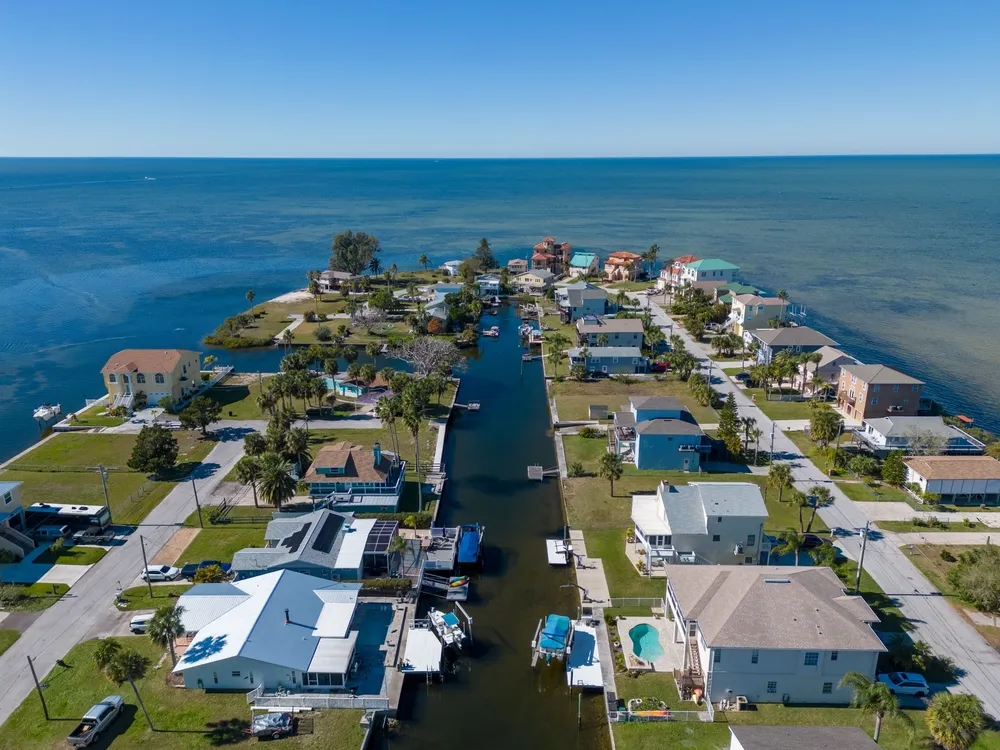
Thousands of people relocate to Florida every year without a clear picture of what owning a home there actually costs, and the gap between expectation and reality can be expensive. The sticker price on the home is only the beginning.
Agents who specialize in out-of-state relocation are flagging a consistent pattern: buyers arrive focused on home prices and mortgage payments, then are caught off guard by insurance costs and tax obligations that look nothing like what they paid in their previous state. Jennifer Rountree, team lead at True Grove, brokered by eXp Realty, works with relocating buyers across roughly 27 counties in Northeast and Central Florida. She hears the same surprises repeatedly.
“Insurance is a big one that comes to mind,” Rountree said, “and sometimes taxes, and just environmental things like flood insurance.”
Insurance Surprises
Florida’s insurance market has tightened sharply in recent years as multiple carriers have exited the state and those remaining have raised premiums. Homeowners insurance costs run well above the national average, and flood insurance, which is separate from standard homeowners coverage and required in many areas, adds another line item that buyers from landlocked states like Colorado or Massachusetts often have not budgeted for. A buyer who calculated their monthly payment based on the mortgage alone can find themselves hundreds of dollars short of what ownership actually costs.
The flood insurance question is particularly easy to underestimate because it does not appear in most online mortgage calculators, and its cost varies significantly depending on the property’s elevation, proximity to water, and flood zone designation. A home that looks affordable at the listing price can carry flood insurance premiums that change the math entirely.
Taxes Catch Buyers Off Guard
Property taxes add a second layer of complexity. Florida has no state income tax, which draws buyers from high-tax states who assume the overall tax burden will be lower. For homeowners who qualify for Florida’s homestead exemption, a tax benefit available only to primary residents, that assumption can hold. But buyers purchasing a second home, an investment property, or a home they do not plan to occupy as a primary residence do not qualify, and the tax bill reflects that. Out-of-state buyers who do not understand the distinction can be surprised when the first tax notice arrives.
Rountree describes the preparation her team does before a relocating buyer ever sets foot in Florida. Virtual buyer presentations, detailed process walkthroughs, and direct answers about what ownership looks like in the state are part of the groundwork she covers before an in-person visit. The goal is that when a buyer finally arrives – sometimes for only a single day – they are not spending that time learning basics. They are making decisions.
Preparation Closes the Knowledge Gap
She points to a recent relocation from Colorado to the North Port area, where a buyer who had spent her entire life in Colorado had a long list of questions about what Florida ownership would require. The differences in insurance requirements, flood zone considerations, and tax structure were significant enough that without preparation, the buyer could easily have committed to a purchase without understanding the full cost picture.
Florida’s combination of hurricane exposure, flood risk, and a property insurance market that has seen carriers leave the state makes the gap between expectation and reality larger here than in most places. The state has made efforts to provide educational resources for new residents, and Rountree says she has seen those materials improve. But the burden of getting informed still falls heavily on the buyer, and many do not know what questions to ask until after they have already committed.
For Buyers
For buyers considering a move to Florida from another state, the practical steps are straightforward: build your budget around total ownership cost, not just the mortgage. Get flood zone information on any property before you make an offer; it is publicly available through FEMA’s flood map service. And ask your agent specifically about current insurance quotes for the property, not estimates, before you are under contract.
In some Florida counties, annual homeowners insurance premiums on a mid-range home now exceed $5,000, with flood insurance potentially adding several thousand dollars more depending on the zone. Those figures vary widely by location and property, but they illustrate why a home that looks like a deal on paper can feel like a different purchase once the full cost of ownership is on the table.
About the Expert: Jennifer Rountree is Team Lead at True Grove, brokered by eXp Realty, operating across approximately 27 counties in Northeast and Central Florida from a base in Green Cove Springs. She holds a short sale and foreclosure designation.
This article is intended for informational purposes only and does not constitute legal, financial, or investment advice. The views and opinions expressed herein reflect those of the individuals quoted and do not represent an endorsement of any company, product, or service mentioned. Readers should conduct their own due diligence and consult qualified professionals before making any investment decisions.
Similar Articles
Explore similar articles from Our Team of Experts.