

A 20-year-old realtor closing nine deals in his first nine months in the Sioux Falls market is unusual. But according to Rockwell Tornow, Realtor® of Amy Stockberger Real Estate, his early ...

Northern Colorado Sellers Are Giving Ground They Never Would Have Two Years Ago

Written by:
Date:
09 Jul 2026
Share via Facebook

Share via Linkedin

Share via X

Copy to clipboard

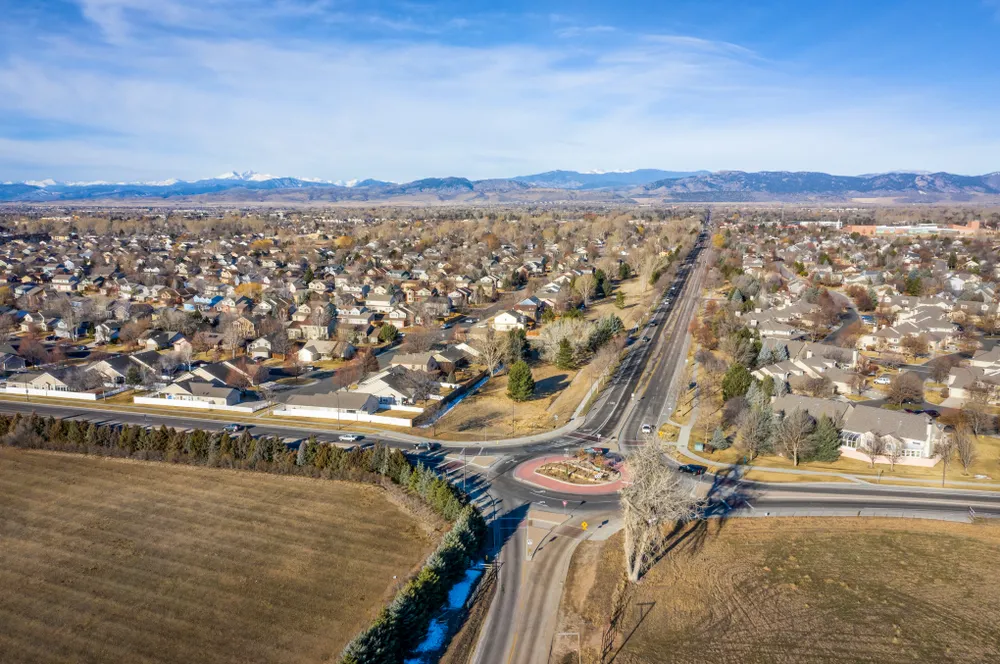
The balance of power in Northern Colorado’s housing market has tilted toward buyers, and sellers are feeling it. Buyers are arriving at the table more prepared than ever, and what they are asking for has changed in ways that would have been unusual just a couple of years ago. Sellers who resist these new expectations are the ones watching deals fall apart.
Anne Carlson, founder and global luxury real estate broker at Luxury Mountain Living, a Fort Collins-based brokerage covering Northern Colorado and the Denver metro, has watched this play out in real time across price points. The buyers she works with now come fully informed; they know comparable values, they know what repairs cost, and they know they have options.
Rate Buydowns Are Now Standard
The most visible change on the seller side is the rise of rate buydowns written directly into purchase offers. In a rate buydown, the seller pays upfront to reduce the buyer’s interest rate for one to three years, lowering monthly payments during that window. Carlson says this has become a standard negotiating tool because monthly affordability is the central pressure point in the market right now. “Sellers who want to close are absorbing that cost,” she says.
Inspection negotiations have also grown more contentious. Carlson describes a pattern she sees repeatedly: a seller who paid more for a home two years ago, now listing at a lower price, reaches the inspection phase and refuses to give another inch. The buyer, aware of other available inventory, walks. According to Carlson, roughly a third of sales fall apart during inspection.
Roofs are a particular flashpoint. Hail is common in Northern Colorado, and roof replacements can run anywhere from $20,000 to $50,000. Neither buyers nor sellers want to absorb that cost, and when neither side budges, the deal dies. For sellers already accepting less than what they paid, the calculation is especially painful.
Sellers Must Do More Upfront
Beyond financial concessions, sellers are being pushed to do more work before a home ever hits the market. Pre-inspections, where the seller commissions an inspection before listing, are becoming more common as a way to surface and address problems before a buyer finds them. Carlson stages every property she lists and says buyers make a decision about a home in under 30 seconds when viewing it online. Drone footage, video walkthroughs, and polished photography are no longer optional for sellers who want to compete.
The buyer driving all of this is not the same buyer from a few years ago. Buyers used to lean on their agents to educate them. Now they arrive already educated; they know what homes are worth, they know what they want, and most of them want to move in without doing anything. Turnkey condition is not a preference; it is close to a requirement for a large share of the market.
That expectation puts real pressure on sellers who bought at peak prices and are now listing into a softer market. Conceding on price, absorbing a rate buydown, fixing inspection items, and staging the home, each is a cost. Taken together, they represent a meaningful reduction in net proceeds that sellers in 2021 and 2022 never had to consider.
One Price Band Still Moves
One segment of the market has not softened in the same way. Around the $600,000 price point, Carlson notes that some homes are still drawing multiple offers, and in those cases buyers occasionally waive inspections entirely. But she describes that as a narrow band, not a broad trend, and not what she sees in her own higher-end practice.
For sellers thinking about timing, the practical implication is clear: waiting for conditions to return to 2022 is not a strategy the current market supports. Buyers are selective, inventory is available, and the deals that are closing are the ones where sellers have met buyers on affordability and condition. Sellers holding firm on price while resisting concessions are, in many cases, simply extending their days on market.
One detail worth noting for luxury buyers: jumbo loans – the loan type most commonly used for higher-priced purchases – are currently carrying better rates than conventional loans. For buyers in the luxury range who assumed financing costs would be a disadvantage, that spread is worth understanding before making assumptions about what a seller will or will not negotiate on.
About the Expert: Anne Carlson is the founder of Luxury Mountain Living and a Fort Collins-based broker covering a corridor from the Wyoming border to Denver in Northern Colorado.
This article is intended for informational purposes only and does not constitute legal, financial, or investment advice. The views and opinions expressed herein reflect those of the individuals quoted and do not represent an endorsement of any company, product, or service mentioned. Readers should conduct their own due diligence and consult qualified professionals before making any investment decisions.
Similar Articles
Explore similar articles from Our Team of Experts.