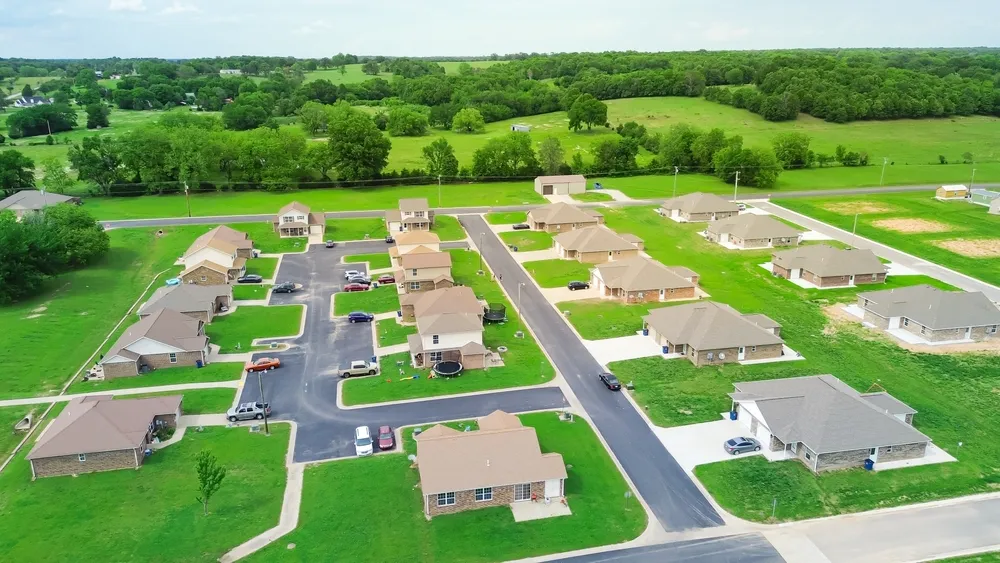
Many Utah residents worry that new starter home developments will hurt their neighborhoods or personal finances. But most of these concerns lack evidence, according to Steve Waldrip, Senior Advisor for Housing Strategy and Innovation in the Office of Utah Governor, Spencer J. Cox. After years of working with cities and developers to expand affordable housing, Waldrip says persistent myths about starter homes are discouraging families from building wealth and making homeownership harder to achieve.
Here are the five most common misconceptions about starter homes in Utah—and what the data actually shows.
1. Starter Homes Lower Property Values
The belief that starter homes drag down nearby property values is widespread, but research shows the opposite. When new, modestly priced homes are built near established neighborhoods, property values in those areas generally rise.
Waldrip points to multiple studies showing that the arrival of new buyers and investment increases demand, supporting higher prices for existing homes. The presence of well-designed, owner-occupied starter homes can boost an area’s appeal and encourage further improvements.
If a new development is planned near your home, could you review recent sales in comparable neighborhoods with similar projects? Public sales data often shows that property values remain stable or improve after new homes are added.
2. Small Homes Bring More Crime
Some residents fear that smaller, more affordable homes will lead to higher crime rates. However, the data shows that homeownership—not home size—has the biggest impact on neighborhood stability and safety.
Waldrip explains that when people own their homes, they are more likely to invest in the community, participate in neighborhood activities, and look out for one another. These factors contribute to lower crime rates, higher educational achievement, and stronger local economies.
The key factor to watch in new developments is the ratio of owner-occupied homes to rentals. Mixed-income neighborhoods with a high homeownership rate tend to be more stable and engaged, regardless of average home size.
3. You Need a Huge Down Payment to Buy
Many prospective buyers assume they need a 20% down payment to purchase a home in Utah. In reality, most buyers put down far less, and a range of programs exist to help buyers with limited savings.
Waldrip notes that only about 10% of Utah residents can afford the median-priced home based solely on current income and savings. To address this, organizations like the Rocky Mountain Homes Fund have helped teachers and public servants buy homes with lower down payments and creative financing options.
Today, buyers can often qualify for a mortgage with as little as 3% down. State and federal programs, as well as private lenders, offer options for first-time and repeat buyers. It’s important to talk to a lender about what’s available, factor in private mortgage insurance costs, and compare total monthly payments before deciding you can’t afford to buy.
4. Starter Homes Are Only for First-Time Buyers
Starter homes appeal to a much broader group than just first-time buyers. Teachers, veterans, firefighters, downsizers, and investors frequently seek out these properties for their affordability and manageable size.
Waldrip cites a recent development in Weber County where homes priced under $400,000 sold out quickly, drawing interest from hundreds of buyers beyond the initial pool of teachers, firefighters, and civil servants. The demand for affordable, well-built homes is strong across many segments, not just among first-time buyers.
If you’re seeking affordability or a smaller footprint, don’t overlook starter home communities. These homes are often in growing areas with strong appreciation potential and can provide long-term value for a wide range of buyers.
5. Building More Homes Will Flood the Market
Some worry that a surge in new construction will lead to oversupply and falling home prices. In Utah, the opposite is true: the state faces a significant housing shortage, and even aggressive building hasn’t closed the gap.
Utah’s population is growing faster than builders can deliver new homes. Waldrip points out that many approved developments remain unbuilt because cities lack the infrastructure—like roads, water, and sewer capacity—to support them. The real constraint is not too much housing, but too little.
Instead of waiting for a market crash, buyers should focus on what they can afford now. Delaying a purchase in hopes of falling prices may mean missing out on homes that fit their needs and budget.
What Actually Matters
Rather than focusing on myths or trying to predict the market, buyers should prioritize these three steps:
- Know your monthly budget. Don’t look only at the purchase price—calculate your total monthly payments, including property taxes, insurance, and any HOA fees.
- Get pre-approved early. Pre-approval signals to sellers that you’re serious and gives you a clear understanding of your buying power. This can help you move quickly when you find the right home.
- Be realistic about your must-haves. Focus on the features you can’t change—such as location, layout, and major systems—rather than cosmetic details. Neighborhoods that integrate a variety of income levels tend to be healthier and more resilient.
Focus on Facts, Not Myths
Utah’s housing shortage and rising prices mean that buyers and communities need accurate information more than ever. Avoid letting common misconceptions prevent you from buying or supporting new development in your area. The keys to homeownership are understanding your finances, exploring all available programs, and acting when you find a home that fits your needs.
“The long-term impacts of not solving this crisis are devastating,” Waldrip warns. Families who delay or forgo homeownership may miss out on building equity and securing their financial future. For Utah to remain a place where families can put down roots, it’s essential to separate fact from fiction about starter homes.
About the Expert: Steve Waldrip is Senior Advisor for Housing Strategy and Innovation, Office of Utah Governor Spencer J. Cox. He focuses on statewide housing policy, starter home development, and infrastructure funding.
This article is based on information provided by the expert source cited above. It is intended for general informational purposes only and does not constitute legal, financial, or real estate advice. Readers should conduct their own research and consult qualified professionals before making any real estate or financial decisions.