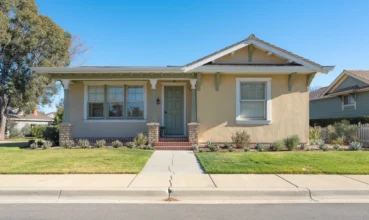
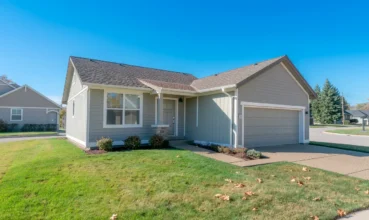
Multifamily properties in Northern New Jersey are selling fast and well above asking price. That activity looks like a clear signal to investors, but agents working the market argue that the bidding intensity is outrunning the fundamentals for buyers who need to finance, and that the gap between what these properties are selling for and what they can actually generate in cash flow is not getting enough attention.
Rising interest rates and aggressive competition have created a market where purchase prices have climbed faster than rents, squeezing returns for financed buyers even as demand remains strong. The result is a landscape where winning a bid and making a sound investment are increasingly two different things.
Michelle Donus, a broker and salesperson with RE/MAX HomeTowne Realty who works across Bergen, Morris, Essex, and surrounding counties, describes the current multifamily market as “crazy,” and not entirely in a good way for buyers who are not paying cash.
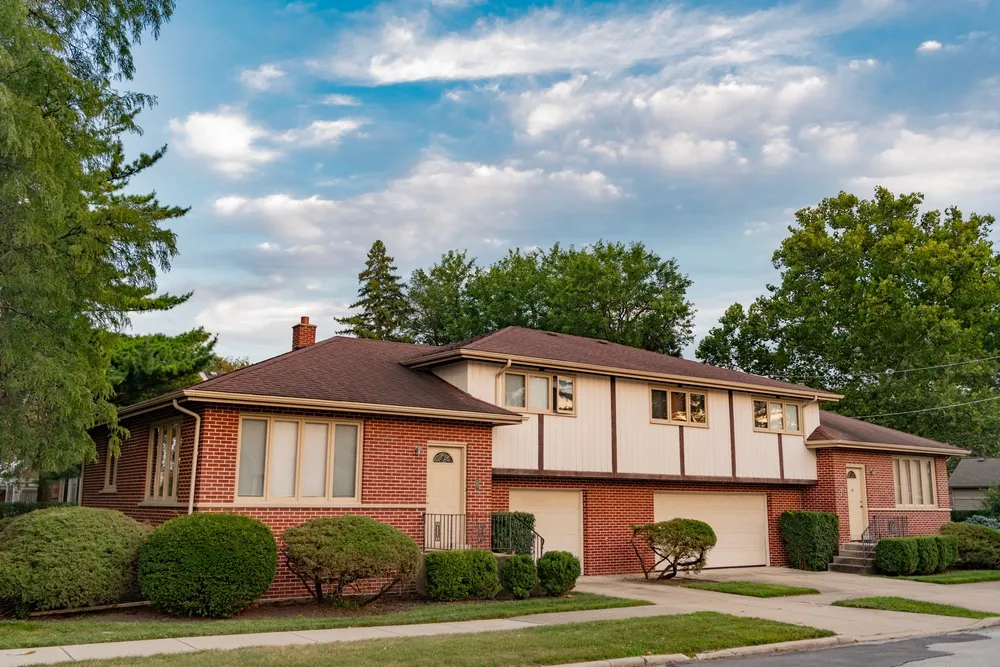
The example she points to is specific. A two-family property in Pompton Lakes listed at $725,000 and sold for over $900,000. The property needed paint throughout, bathroom renovations, and had water in the basement. The sale price reflected the heat of the market, not the condition of the asset. For a cash buyer with a 20-year hold strategy, that outcome might still make sense. For a buyer who needs to finance the purchase and is counting on rental income to cover the mortgage, the math often does not work. “You have to look at the cash flow,” Donus says, “and in many cases right now, it is not there.”
This is the core tension in Northern New Jersey’s multifamily market. Demand is real, competition is real, and prices are rising. But the income a two-family or small multifamily property generates in rent has not risen at the same pace as purchase prices. When you layer in today’s financing costs, rates in the mid-to-upper six percent range, the monthly debt service on a property purchased at $900,000 can easily exceed what the rental units produce, leaving the owner covering the gap out of pocket every month.
When Owner-Occupancy Makes Sense
Donus notes that there is a version of this trade that can work: buying a multifamily with the intention of living in one unit while renting out the other. In that structure, the rental income offsets part of the mortgage rather than needing to cover all of it, and the owner-occupant benefits from living in the property while building equity. That model is more forgiving of a high purchase price than a pure investment play where the property needs to carry itself entirely through rent.
The distressed property segment adds another layer of complexity. Donus holds a certified distressed property expert designation and notes that foreclosures remain present in the Northern New Jersey market, homeowners behind on their mortgages, and properties requiring third-party lender approval to sell. These can represent opportunities, but they come with substantially more paperwork, longer timelines, and the added variable of working with lenders whose responsiveness varies widely.
For investors considering distressed multifamily properties specifically, the combination of deferred maintenance, financing complexity, and lender negotiation can stretch a transaction timeline and erode projected returns. The purchase price may look attractive relative to comparable properties, but the carrying costs during a prolonged closing process, plus the cost of bringing the property to rentable condition, need to be factored in before the deal works on paper.
None of this means multifamily investment in Northern New Jersey is a poor choice. The market is strong enough that it rewards buyers who move quickly and confidently, but that speed and confidence need to be grounded in a realistic assessment of what the property will actually cost to own and operate. The bidding environment can make it feel like any price is justified because someone else will pay it. That logic works until the property has to generate a return.
Run the Cash Flow Numbers
The specific question worth running before making an offer on any multifamily property in this market: at this price, with current financing costs, what does the monthly cash flow look like after debt service, taxes, insurance, and a realistic reserve for repairs? If that number is negative, the investment thesis depends entirely on appreciation, which is a bet, not a plan. In a market where prices have already been bid well above asking, that bet carries more risk than many buyers are accounting for.
About the Expert: Michelle Donus is a broker and salesperson with RE/MAX HomeTowne Realty, serving the Bergen, Morris, and Essex County markets in Northern New Jersey since 2001. She holds a Certified Distressed Property Expert designation and brings a parallel background in personal multifamily and commercial real estate investing.
This article is intended for informational purposes only and does not constitute legal, financial, or investment advice. The views and opinions expressed herein reflect those of the individuals quoted and do not represent an endorsement of any company, product, or service mentioned. Readers should conduct their own due diligence and consult qualified professionals before making any investment decisions.