
Bonaventure executive argues the industry’s focus on returns over capital preservation is putting investor money at risk. The real estate investment industry needs to shift its focus f...

New Jersey's Affordable Housing Rules Are About to Reshape the Rental Market

Written by:
Date:
24 Jun 2026
Share via Facebook

Share via Linkedin

Share via X

Copy to clipboard

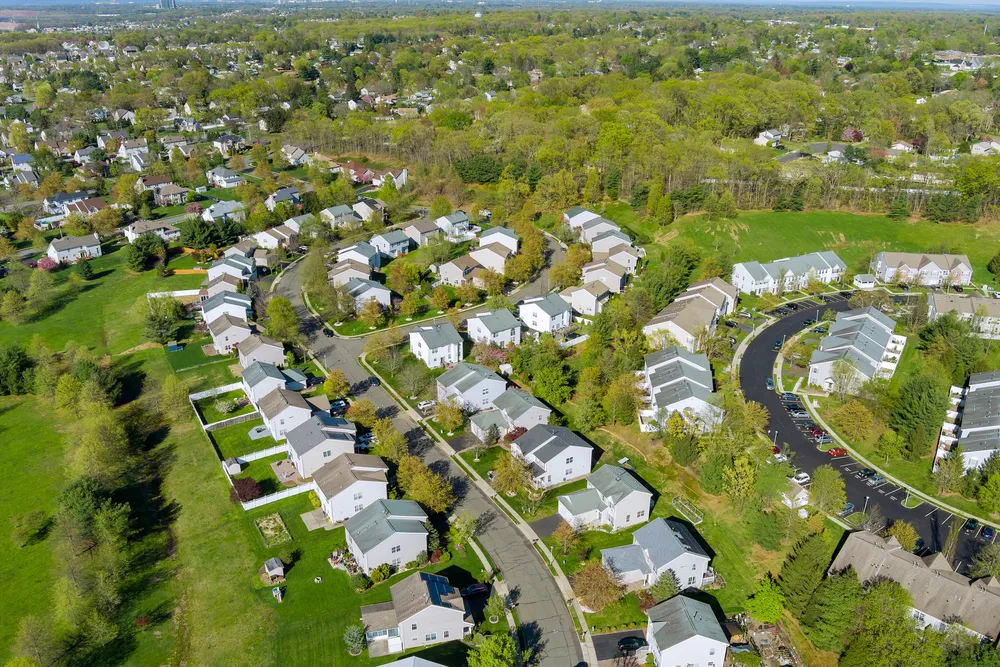
Landlords across New Jersey who have been collecting steady rent increases for years are about to face a new kind of competition, and it is not coming from other landlords. It is coming from state law.
A wave of new apartment construction is hitting markets like Princeton and Mercer County, driven not by developer enthusiasm but by a legal mandate that applies to every one of New Jersey’s roughly 586 municipalities. The implications for investors who own rental properties in the area are significant and largely underappreciated.
Joshua Wilton, a co-owner and broker of record at Queenston Realty, a boutique brokerage based in Princeton, has been interviewing local mayors to understand how individual towns are responding to the state’s affordable housing requirement, commonly known as the Mount Laurel mandate. The mandate has been in place for decades, but the current construction cycle is bringing its effects to the surface in ways that were not visible when the rental market was tighter. What Wilton is seeing suggests that the rental supply picture across New Jersey is about to look very different from what investors have been used to.
The Mandate Behind the Construction Surge
Each municipality is required to provide a set number of affordable housing units over a ten-year period. Towns have two broad options. They can build the units directly, which requires raising taxes, a politically difficult path. Or they can allow private developers to build inclusionary housing, in which a portion of a larger market-rate project is set aside as affordable housing. Wilton used West Windsor as an example: the town is responsible for approximately 400 affordable units, and the path of least resistance for the town council is to let developers build large apartment complexes and count a fraction of those units toward the quota.
The result is a surge in new apartment construction across the region, and the new buildings are not modest. Wilton described amenities like golf simulators and pools, the kind of finishes that make older rental units look dated by comparison.
A Split Is Opening in the Rental Market
Average asking rents in Princeton have not dropped yet, according to Wilton’s observations. But a split is emerging. Well-maintained, updated units are holding their prices. Older units, properties that landlords have rented the same way for 20 years without significant upgrades, are losing ground. To hold their previous rent levels, those landlords will need to invest in renovations: new kitchens, updated finishes, meaningful improvements. Many may not want to.
That reluctance creates an interesting secondary effect. Landlords who do not want to renovate may decide to sell instead, returning those properties to the for-sale market, available to owner-occupants or to investors willing to do the work. Some of those properties could also become candidates for accessory dwelling unit development, which Wilton described as one of the more active investment strategies in the Princeton market right now.
The Risk of Buying in the Wrong Spot
The more immediate concern for current investors is the risk of buying into the wrong part of this market at the wrong time. Wilton was specific: purchasing a condo in West Windsor for long-term rental, next to a newly built apartment complex with premium amenities, is a strategy that deserves hard scrutiny. The competition is not just another landlord with a similar unit – it is a professionally managed building with amenities that a single-unit investor cannot replicate.
One complication is that investors are not rushing to sell their existing holdings, even as the rental economics soften. Federal capital gains taxes are a significant deterrent; landlords who have held properties through years of appreciation face a large tax bill on any sale. That friction keeps supply off the market even as rental math gets tighter, which means the adjustment in older rental pricing may happen slowly rather than all at once.
Research Before Committing
For someone considering a rental property purchase in Mercer County or anywhere in New Jersey, Wilton’s advice points toward one specific due diligence step: find out what is being built within a reasonable distance of the property you are evaluating, and understand how much of it is coming online in the next two to three years. That information is public; it flows from the municipal planning and zoning process, but most buyers do not look for it.
How well the new supply gets absorbed will depend on the location. In towns like West Windsor, where a Midtown Direct train line to New York City drives strong renter demand, new apartments may fill quickly. In towns further from transit and employment centers, the pressure on older rental units is likely to be more acute, and landlords who have not upgraded their properties will feel it first.
Where New Supply Will Hit
Investors who are not tracking what is being built in their target towns are working with an incomplete picture of what their competition will look like in 24 months. The rental market in New Jersey is no longer just a function of demand and existing supply. It is being actively reshaped by a legal structure pushing new construction into communities that have not seen significant apartment development in years, and the buildings going up are designed to pull tenants away from exactly the kind of older units that many small investors own.
About the Expert: Joshua Wilton is a co-owner and broker of record at Queenston Realty, a boutique brokerage based in Princeton, New Jersey. He has been interviewing local mayors to understand how individual towns are responding to the state’s affordable housing requirement.
This article is intended for informational purposes only and does not constitute legal, financial, or investment advice. The views and opinions expressed herein reflect those of the individuals quoted and do not represent an endorsement of any company, product, or service mentioned. Readers should conduct their own due diligence and consult qualified professionals before making any investment decisions.
Similar Articles
Explore similar articles from Our Team of Experts.