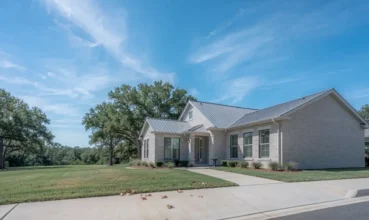
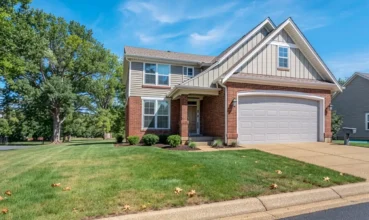
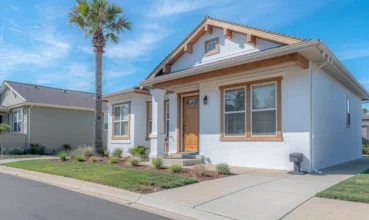
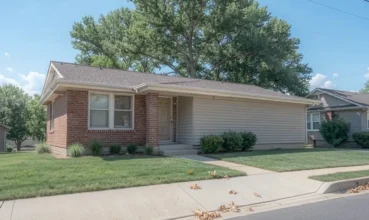
Walk into an open house for a two-flat in Chicago’s Bronzeville neighborhood, and you’ll see a new kind of competition: young couples with VA loan pre-approvals standing alongside seasoned investors making cash offers. Chicago’s multi-unit market, once dominated by investors, is now a battleground where owner-occupants are outbidding traditional buyers and driving up prices.
Lourdes Fernando, a realtor and investor who owns a four-unit building in Chicago, has watched this change accelerate over the past year. She recently tracked five North Side properties that sold for $150,000 over the asking price, with buyers using low-down-payment loans designed for people who intend to live in the units. “You have VA buyers coming in with no money down and overbidding investors who need 20 to 25 percent,” Fernando says.
Where the Market Stands Now
Chicago’s one- to four-unit buildings were once the go-to choice for investors, who typically put down 20 percent and rented out all the units. Today, those same buildings are attracting first-time buyers and veterans using government-backed loans that require as little as 0% to 3.5% down. As a result, investors are getting outbid by buyers who plan to live in one unit while renting out the others.
The median home price in the Chicago area has climbed from about $220,000 five years ago to over $350,000 today. Multi-unit properties — once considered affordable entry points for investors — are now priced competitively and selling quickly in desirable neighborhoods. In contrast, larger buildings with five or more units, which require commercial financing, often linger on the market and sell for less per unit.
What’s Driving the Change?
Three main factors have shifted Chicago’s multi-unit landscape:
First, inventory remains tight. Builders are not constructing as many new properties as before the pandemic, and fewer homeowners are listing existing buildings. “There’s not a lot of really good inventory like there was before,” Fernando says. With fewer properties available, buyers are competing more aggressively for each listing.
Second, owner-occupant loan programs have become more attractive. VA loans allow veterans to purchase multi-unit properties with zero down. FHA loans require just 3.5 percent down, and conventional loans for owner-occupants start at 5 percent. Investors, by contrast, still need 20 to 25 percent down, which puts them at a disadvantage against buyers who can secure financing with less cash.
Third, house hacking is now widely recognized as a smart strategy. More buyers are realizing they can live in one unit of a multi-unit and use rental income from the other units to cover most or all of their mortgage. Fernando recently helped a veteran buy a multi-unit building and collect $5,900 in rent before the veteran made his first mortgage payment. “His entire mortgage is going to be paid for — he’s living for free,” she says.
How Fast Are Properties Selling?
In sought-after neighborhoods like Bronzeville and areas near new developments, multi-unit properties are selling as quickly as single-family homes. Buyers often make offers within days of a listing going live, and bidding wars are common. In less competitive neighborhoods, properties may still sit on the market longer, but the gap between investor and owner-occupant offers has widened.
Owner-occupant buyers typically close faster because their loans are residential rather than commercial. Investors using commercial financing face longer approval timelines and stricter underwriting, making their offers less attractive to sellers who want a quick close.
What Buyers, Investors, and Sellers Should Know
For Buyers:
If you plan to house hack, move quickly in neighborhoods with strong rental demand. Secure pre-approval for a VA, FHA, or conventional loan before touring properties. In competitive areas, expect to offer at or above the asking price, especially if you’re using a low-down-payment loan that lets you compete with investors.
For Investors:
Consider focusing on buildings with five or more units, where competition from owner-occupants is lower. These properties often cost less per unit and offer better cash flow potential. If you prefer one- to four-unit buildings, target neighborhoods where owner-occupant demand is lower, or be prepared to pay a premium.
For Sellers:
Price your multi-unit property competitively and be ready for offers from both investors and owner-occupants. Owner-occupant buyers may offer more, but their financing can take longer to close. Evaluate the trade-offs between a higher price and a faster, more certain closing.
What This Means
Chicago’s multi-unit market has shifted from investor-driven to owner-occupant-dominated. Tight inventory, accessible low-down-payment loan programs, and the popularity of house hacking have redrawn the competition. Investors who once had clear advantages now face tougher odds and may need to adjust their strategies or focus on larger properties with less owner-occupant interest.
Fernando notes that those who bought early in this cycle are seeing the benefits. As multi-unit properties grow scarcer and more expensive, these buildings are likely to remain in high demand, especially among buyers seeking both a home and an investment.
About the Expert: Lourdes Fernando is a realtor and Real Estate Investor, Keller Williams ONEChicago, Chicago. Specializes in VA loans, multi-unit properties, and house hacking strategies for veterans and first-time buyers.
This article is intended for informational purposes only and does not constitute legal, financial, or investment advice. The views and opinions expressed herein reflect those of the individuals quoted and do not represent an endorsement of any company, product, or service mentioned. Readers should conduct their own due diligence and consult qualified professionals before making any investment decisions.