
Most buyers shopping for a condo in South Florida zero in on location first – the zip code, the view, the proximity to the water. But brokers active in the Miami market argue that buyers a...

In Naples, Florida, Flood Insurance Is Not Optional – Even on the Third Floor

Written by:
Date:
22 Jun 2026
Share via Facebook

Share via Linkedin

Share via X

Copy to clipboard

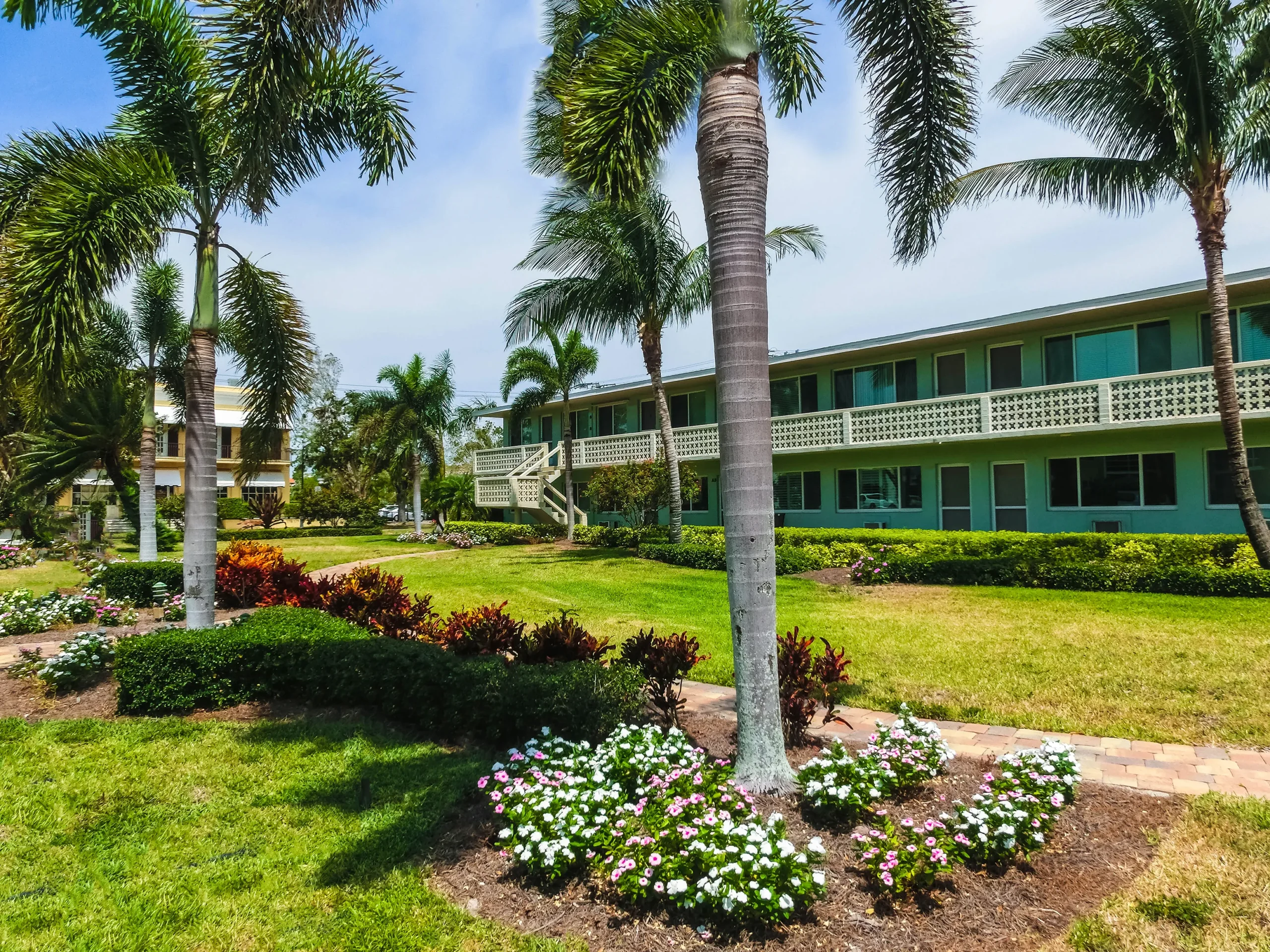
Florida’s insurance market has scared off plenty of would-be buyers in recent years, and Naples is no exception. Stories of skyrocketing premiums and dropped policies have created a widespread belief that insuring a home on the Gulf Coast is either unaffordable or not worth the trouble. Agents working the Naples market are pushing back hard on both ideas.
Lisa Lineback, a Realtor with Downing-Frye Realty, Inc. in Naples, works primarily in the 34102 and 34103 zip codes and has watched the insurance conversation change considerably since the active hurricane seasons of a few years ago.
The Myth and the Bigger Mistake
Her position is direct: the idea that Naples insurance is prohibitively expensive is a myth, but the idea that you can skip it is a bigger mistake. “If you value your property just like you value your life, you know that insurance is important,” she says. She is not suggesting insurance is a nice-to-have. Buyers who treat it as optional are misreading the risk.
The more counterintuitive part of her argument involves flood coverage specifically. Lineback lives on the third floor of a condo at High Point Country Club, a community roughly a mile from the beach. Most buyers in her position would assume flood insurance is irrelevant; they are not on the ground floor, they are not on the water, and the premium feels like money spent on nothing.
She carries a flood policy anyway. Her reasoning is practical: there are two floors above her. A water heater failure or a burst pipe on an upper floor can cause damage as severe as a rising tide. Her policy covers that scenario. “A flood insurance policy, it’s not that much more money in the long run,” she says, “and the peace of mind is worth it.”
This is a distinction that gets lost in most conversations about Florida insurance. Flood coverage is not only about storm surge. For condo owners in particular, it serves as a buffer against water damage from any source, including the units above. Buyers who skip it because they are not on the ground floor may be solving for the wrong risk.
How to Find Workable Coverage
On the affordability question, Lineback acknowledges that rates have climbed and that some carriers have pulled back from the Florida market. But she argues that buyers who do their homework can still find workable options. She keeps a list of insurance providers that she shares with clients, not to steer them toward any single company, but to give them enough starting points to compare. Other agents in the Naples market take similar approaches, and independent insurance brokers who specialize in coastal Florida properties are another resource buyers can use to shop across carriers.
The buyers who struggle most with insurance costs, she observes, tend to be the ones who wait until the last moment in a transaction to address it. By then, they are under time pressure and often accept the first quote they receive. Buyers who treat insurance research as part of their early due diligence – before they are under contract – typically find more options and better prices.
Insurance Costs Can Upend the Math
There is a meaningful downside to acknowledge. Even with diligent shopping, some Naples properties carry insurance costs that genuinely affect the math of ownership. Condos in older buildings, particularly those that have not completed required structural inspections or reserve funding under Florida’s post-Surfside legislation, can face steep premiums or difficulty finding coverage at all. Buyers should ask the seller for current insurance costs and request the condo association’s most recent reserve study before making an offer. A low purchase price does not offset an insurance bill that is three times what you expected.
The quieter hurricane season of 2024 into 2025 noticeably shifted the tone of buyer conversations, Lineback says. Fewer clients are leading with questions about FEMA flood maps and storm exposure than they were two years ago. That shift in confidence may be warranted, or it may be recency bias, buyers who arrived after a calm stretch and have not yet experienced what an active season does to the market.
What does not change, regardless of recent weather, is the underlying exposure. Naples sits on the Gulf Coast. Properties close to the water carry real storm risk. The insurance market prices that risk, and buyers who understand what they are buying – and what they are insuring against – are better positioned to make a sound decision than those who treat coverage as a checkbox to clear before closing.
One number worth knowing: according to the Florida Office of Insurance Regulation, the average annual flood insurance premium in Florida through the National Flood Insurance Program runs roughly $900 to $1,200 for a condo unit, though rates vary considerably based on elevation, building age, and flood zone designation. Private flood policies can vary in cost depending on the carrier and the property. Getting two or three quotes before committing is a reasonable starting point.
About the Expert: Lisa Lineback is a Realtor with Downing-Frye Realty, working primarily in Naples, Florida, and focusing on communities west of Tamiami Trail.
This article is intended for informational purposes only and does not constitute legal, financial, or investment advice. The views and opinions expressed herein reflect those of the individuals quoted and do not represent an endorsement of any company, product, or service mentioned. Readers should conduct their own due diligence and consult qualified professionals before making any investment decisions.
Similar Articles
Explore similar articles from Our Team of Experts.