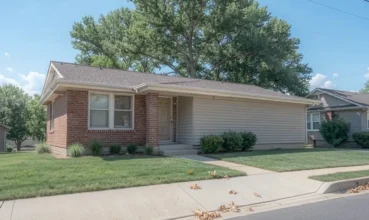
After three weeks without offers, a seller in Denver dropped the price of a three-bedroom home from $800,000 to $775,000 and added a $5,000 closing cost credit — the property sold within five days.
Just two years ago, this scenario would have been rare. During the pandemic boom, Denver homes often sold for $50,000 to $300,000 over the asking price, with buyers waiving inspections, skipping contingencies, and competing in bidding wars that pushed homes off the market within days. That environment has changed. Sellers are now negotiating again, and the dynamics of Denver’s real estate market have shifted in ways that matter for both buyers and sellers.
Why Denver’s Market Has Changed
In 2022 and into 2023, Denver was a textbook seller’s market. Buyers scrambled for limited inventory, making aggressive offers and moving quickly to secure properties. Today, the market has cooled. Homes sit longer, sellers are more willing to negotiate on price and repairs, and multiple-offer situations have become the exception rather than the rule.
Athena Brownson, a realtor with YourCastle in Denver, has tracked these changes closely. She notes that for the first time in almost a decade, buyers in Denver can be more selective and take their time to find the right property. The market remains active, but it is no longer tilted entirely in favor of sellers. Buyers now have the leverage to negotiate, ask for repairs, and walk away if a deal doesn’t meet their needs.
Three Key Drivers Behind the Shift
1. Higher Mortgage Rates
Rising interest rates have been the single biggest factor cooling Denver’s red-hot housing market. Rates have climbed from historic lows to around 6% over the past two years. This increase has directly reduced purchasing power for many buyers. For example, Brownson explains that when rates jumped, a buyer who had previously qualified for a $600,000 home could only afford a $540,000 home. This gap has forced sellers to lower prices or risk their homes sitting unsold.
2. Smaller Pool of Buyers
With higher borrowing costs, fewer buyers can afford to enter the market. Homes that once attracted five or ten offers may now receive one or two — sometimes none at all. Sellers who expected bidding wars are adjusting their strategies and offering concessions, such as closing-cost credits or repairs, to attract buyers and close deals.
3. Seasonal Market Patterns Remain
Denver’s real estate market follows a strong seasonal rhythm, with activity typically increasing in the spring. Brownson notes that the number of listings and buyers rises around April, but even with the usual seasonal boost, the overall pace has slowed compared to recent years. While spring brings more activity, the market’s competitive edge has softened, and buyers are less likely to rush into decisions.
How Buyers and Sellers Should Respond
For Buyers
Today’s market offers buyers more breathing room. There’s less pressure to make immediate decisions or waive important protections. Buyers can tour homes at their own pace, request inspections, and negotiate repairs. If a property has been listed for more than two weeks, it may be possible to offer below the asking price and secure concessions from the seller.
Locking in a mortgage rate around 6% is still historically reasonable, and waiting for rates to drop significantly could mean missing out on a suitable home. Buyers should focus on finding properties that meet their needs and use their increased leverage to negotiate favorable terms.
For Sellers
Sellers need to adjust to the new reality by pricing homes competitively from the start. Reviewing recent neighborhood sales and setting a price at or slightly below comparable properties is now the best way to quickly attract interest. Overpricing leads to a longer time on the market, which can deter buyers and force price reductions later.
Presentation matters more than ever. Homes should be clean, decluttered, and have obvious repairs completed before listing. Sellers can also consider offering closing-cost credits or repair allowances up front to make their property stand out in a market with more choices.
Real-World Example: Negotiation in Action
Recently, a buyer walked away from a $720,000 townhouse after an inspection uncovered $15,000 in roof repairs. Six months ago, that buyer might have absorbed the cost to secure the property. Now, buyers have enough options to demand repairs or walk away, and sellers are often left to address the issues or reduce the price for the next buyer.
This example reflects a broader trend: buyers are asserting their needs, and sellers are responding with flexibility. The frantic pace and seller dominance of 2022 have given way to a market where negotiation and compromise are standard.
What This Means Going Forward
Denver’s housing market has moved from a period of intense seller control to a more balanced environment. Buyers have leverage they haven’t seen in years, while well-prepared and realistically priced homes still attract strong offers. According to Brownson, “There’s a ton of opportunity out there for buyers — it’s just a matter of finding the right opportunity for them.”
For both buyers and sellers, understanding these new dynamics is key. Buyers should use their negotiating power, while sellers must adapt their pricing and presentation strategies to succeed. The Denver market today rewards preparation, patience, and a willingness to meet in the middle.
This article is based on information provided by the expert source cited above. It is intended for general informational purposes only and does not constitute legal, financial, or real estate advice. Readers should conduct their own research and consult qualified professionals before making any real estate or financial decisions.