
International investors are flooding into U.S. luxury real estate markets as geopolitical instability and stock market concerns drive capital flight from overseas, according to Rod Watson, f...

In Dallas, Home Prices Are Normalizing – But Competition in the Mid-Range Isn't Slowing Down

Written by:
Date:
03 Jun 2026
Share via Facebook

Share via Linkedin

Share via X

Copy to clipboard

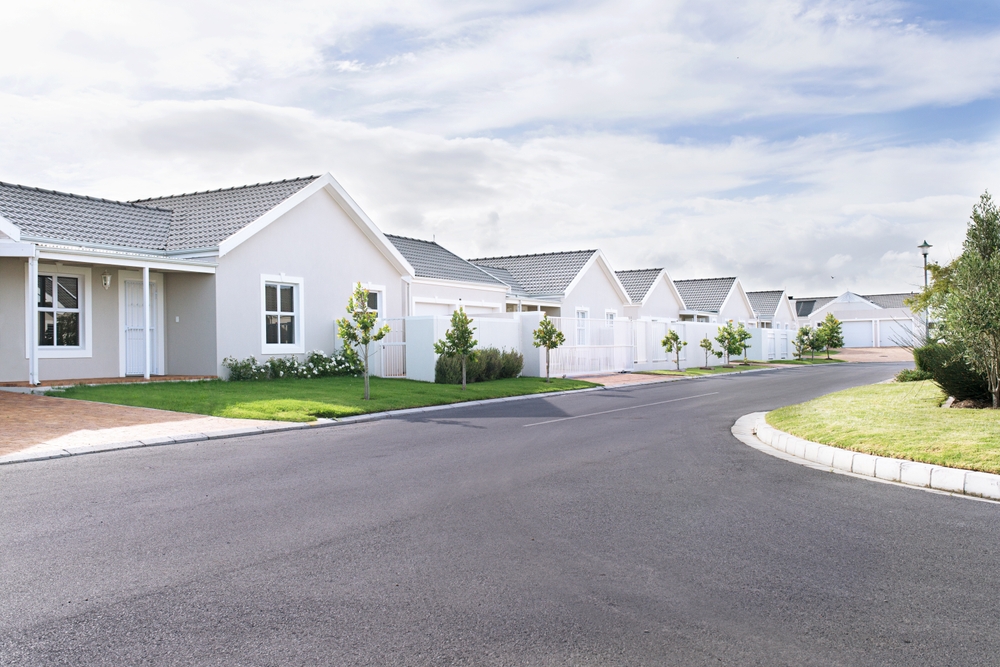
After years of runaway appreciation followed by a correction, Dallas home prices have returned to a trajectory closer to their long-term. Many buyers expected that cooling prices would mean less competition and more breathing room. In some segments, that’s true. But in the $250,000 to $500,000 range, where most first-time and move-up buyers are active, multiple-offer situations remain common, catching unprepared buyers off guard.
Destanie Okwumabua, Co-Leader and Director of Agent Development at The Onyx Realty Group in southern Dallas, has seen this firsthand. Of roughly 20 offers she’s submitted in the past six months, about 15 landed in multiple-offer situations, a level of competition that contradicts the “cooling market” narrative.
Normalized Prices, Persistent Demand
Dallas prices ran so far above their historical trajectory during the pandemic that even after normalizing, they remain higher than any pre-2020 level. The frenzy has calmed, but the floor is elevated. Buyers who sat on the sidelines for the past two years are now re-entering the market out of fatigue, necessity, or both, and their collective return is keeping mid-range inventory tight.
“Buyers are exhausted of sitting on the sidelines,” Okwumabua says.
What’s different now is how buyers compete. No one is waiving inspections or skipping appraisals as they did in 2022. Buyers are requesting $20,000 or $30,000 in closing cost help, and sometimes getting it. Leverage has shifted toward buyers, but it hasn’t flipped entirely.
Where Sellers Are Struggling
The real pressure in this market falls on homeowners who purchased between 2022 and 2024 at peak prices. With values normalized, many find that what they owe is uncomfortably close to, or more than, what their home will sell for.
Okwumabua recently worked on a deal where the sellers brought $40,000 to the closing table to exit. “Every single dollar matters,” she says. The home wasn’t distressed; she described it as having one of the cleanest inspections she’d ever seen. The problem was purely financial.
This is where buyers hold genuine leverage. Sellers in this situation need to close, which means creative deal structures, repair credits, closing cost contributions, and flexible timelines are realistically on the table.
What the Seasonal Pattern Looks Like in 2026
Every year in Dallas, the market follows a predictable rhythm. January brings the lowest prices of the year. Activity heats up through spring, peaks around July or August, then cools as school starts and the holidays approach. Okwumabua is watching whether that arc holds in 2026 or whether economic uncertainty, inflation, or global instability bends the curve.
She expects the seasonal pattern to hold, and peak prices may come in slightly higher than expected. The driver is pent-up demand: buyers who have waited two or three years are running out of patience, and that demand has to land somewhere.
What Buyers and Sellers Should Know
Buyers in the $250,000 to $500,000 range should not assume they have unlimited time. This segment remains competitive. Getting pre-approved, knowing a firm ceiling, and being ready to act all matter quickly. That said, closing cost credits are worth requesting; sellers are far more open to them now than they were two years ago.
Buyers purchasing from peak-era sellers hold real leverage. Sellers who are underwater or barely breaking even need the deal to close, and understanding the seller’s financial situation before negotiating changes everything about how to structure an offer.
Sellers who bought before 2020 are likely in strong positions. Their equity cushion allows them to price competitively, offer credits if needed, and still walk away with a solid outcome. Pricing should reflect current comparable sales, not aspirational future values.
Sellers who bought during the peak should share their numbers early, knowing exactly what they need to net and whether that’s realistic, before listing; this saves time and prevents failed transactions. Some are choosing to wait; others are deciding the cost of staying outweighs the cost of selling at a loss.
Looking Ahead
Dallas real estate is functioning as two markets in one. In the mid-range, competition remains strong enough that unprepared buyers lose out. Among peak-era sellers, there’s real flexibility and real opportunity for buyers who know where to look. The gap between these two realities is likely to persist through 2025, especially if pent-up demand continues pushing seasonal prices higher while financially constrained sellers remain motivated to close. “You have to get very creative with how you’re finding solutions,” Okwumabua says, and the buyers and sellers doing exactly that are the ones getting deals done.
About the Expert: Destanie Okwumabua is the Co-Leader and Director of Agent Development at The Onyx Realty Group, specializing in the southern Dallas real estate market.
This article is intended for informational purposes only and does not constitute legal, financial, or investment advice. The views and opinions expressed herein reflect those of the individuals quoted and do not represent an endorsement of any company, product, or service mentioned. Readers should conduct their own due diligence and consult qualified professionals before making any investment decisions.
Similar Articles
Explore similar articles from Our Team of Experts.