

You’ve found the perfect Florida beach house. The photos are stunning, the location checks every box, and the price feels consistent with other coastal homes you’ve seen. But there’s a...

Thinking About Investing in Brooklyn Real Estate? Here's What's Worth It – and What to Skip

Written by:
Date:
02 Jun 2026
Share via Facebook

Share via Linkedin

Share via X

Copy to clipboard

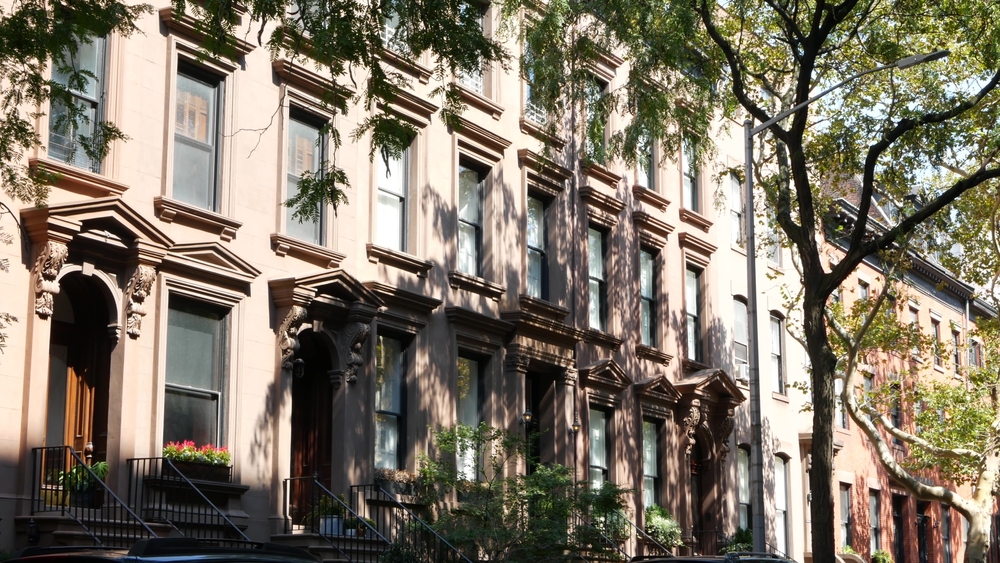
Brooklyn has had quite a run. Neighborhoods that were considered overlooked a decade ago, Bed-Stuy, Crown Heights, Bushwick, have seen townhouse prices jump from $1 million to $2 million to $3 million to $5 million. Sunset Park quietly became one of the borough’s better values. And during COVID, buyers flooded in looking for space, backyards, and breathing room from apartment life.
But the easy money era has cooled. Rising mortgage rates have squeezed purchasing power, price appreciation has slowed after years of rapid gains, and the margin for error on investment deals has narrowed considerably. For everyday investors considering real estate in Brooklyn or Manhattan today, strategy matters more than ever. Laura Milkowski, a licensed associate real estate broker with 25 years of experience at Luxus Manhattan Realty, has been a buyer, seller, landlord, and tenant herself, and she has clear opinions about where the opportunity is, and where the traps are.
Rule Number One: Avoid Co-ops for Investment
Co-ops limit how long you can rent out your unit, often capping subletting at two or three years. In a city where rental demand is high, and flexibility is everything, that restriction can kill your investment thesis entirely. If you buy a co-op hoping to rent it out while relocated or waiting for the right time to sell, the building’s board may not allow it. “For investment, I would avoid co-ops, that’s for sure,” Milkowski says.
Condos are the investor-friendly alternative. Most condos in Brooklyn and Manhattan allow owners to rent their units out indefinitely, which means you have an actual exit strategy: hold it, rent it, or sell it on your timeline, not the board’s.
Where the Value Is Right Now
Milkowski points to Sunset Park as a neighborhood with genuine investment potential, with one important caveat: most of the buildings there are co-ops. The workaround is to look for two-family homes in the area instead. A two-family gives you rental income from one unit while you either occupy or rent the other, and you own the building outright, with no board to answer to.
The neighborhoods that saw explosive growth during COVID, Crown Heights, Bed-Stuy, Bushwick, have already repriced significantly. Townhouses that were $1 million five years ago are now $3 to $5 million. There’s still activity, particularly from investor groups that buy, renovate, and resell, but the easy appreciation play is largely gone. Buyers coming in now need to underwrite deals carefully.
Dumbo, where Milkowski lives and works, has also come down from its peak. “The market got very high here, so it’s come down a bit,” she says. That can create opportunity for patient buyers, but it’s not a neighborhood where you’ll find bargain pricing.
Who’s Actually Buying Right Now
The buyers with the most momentum today are cash buyers and what Milkowski calls “pied-à-terre” buyers, people purchasing a New York City home as a secondary residence. These buyers aren’t affected by rising mortgage rates because they’re not financing. They’re looking for deals, and they’re willing to wait for the right one.
For investors who do need financing, the math has gotten harder. A one- or two-percent increase in mortgage rates translates into a 10- to 20-percent reduction in purchasing power. That means smaller budgets, tighter cash flow projections, and thinner margins for error. Deals that worked two years ago may not work today at the same price.
The Rental Market Is Your Tailwind
Strong rental demand is the clearest advantage for Brooklyn and Manhattan investors right now. A modest one-bedroom apartment, around 600 to 700 square feet, can rent for approximately $5,000 a month, according to Milkowski. New York is one of the most transient cities in the world, and a large portion of residents will always rent rather than buy.
That dynamic is pushing some long-term renters toward buying, which creates a steady pipeline of buyers for investors looking to sell eventually. “When people start looking at the costs,” Milkowski notes, ownership starts to make more financial sense than paying $5,000 a month in rent indefinitely.
What Smart Investors Do Differently
The investors who succeed in this market do their homework before they make an offer, not after. That means reviewing a building’s reserve fund, understanding any pending assessments, checking subletting rules, and knowing the pet policies. Buildings change their rules, and what was allowed when you bought may not be allowed when you want to rent.
“It’s better to do it now than to waste everyone’s time and energy,” Milkowski says about pre-screening buildings, advice that applies just as much to investors as it does to owner-occupants.
The bottom line for small investors: condos and multi-family homes give you flexibility; co-ops take it away. Buy in neighborhoods where the numbers work today, not where you’re hoping for another COVID-era price surge. And always know your exit before you sign.
About the Expert: Laura Milkowski is a licensed associate real estate broker at Luxus Manhattan Realty with 25 years of experience in the Brooklyn and Manhattan markets.
This article is intended for informational purposes only and does not constitute legal, financial, or investment advice. The views and opinions expressed herein reflect those of the individuals quoted and do not represent an endorsement of any company, product, or service mentioned. Readers should conduct their own due diligence and consult qualified professionals before making any investment decisions.
Similar Articles
Explore similar articles from Our Team of Experts.

Real Estate Investment, Residential Real Estate, Market Analysis & Policy, Perspectives, Industry News
International investors are flooding into U.S. luxury real estate markets as geopolitical instability and stock market concerns drive capital flight from overseas, according to Rod Watson, f...