
California’s affordable housing debate is dominated by calls to build more units, faster. Lawmakers announce new construction projects. Advocates push for streamlined approvals. Headlines ...

What NYC Renters Actually Want in 2026: Space, Light, and Convenience

Written by:
Date:
01 Jun 2026
Share via Facebook

Share via Linkedin

Share via X

Copy to clipboard

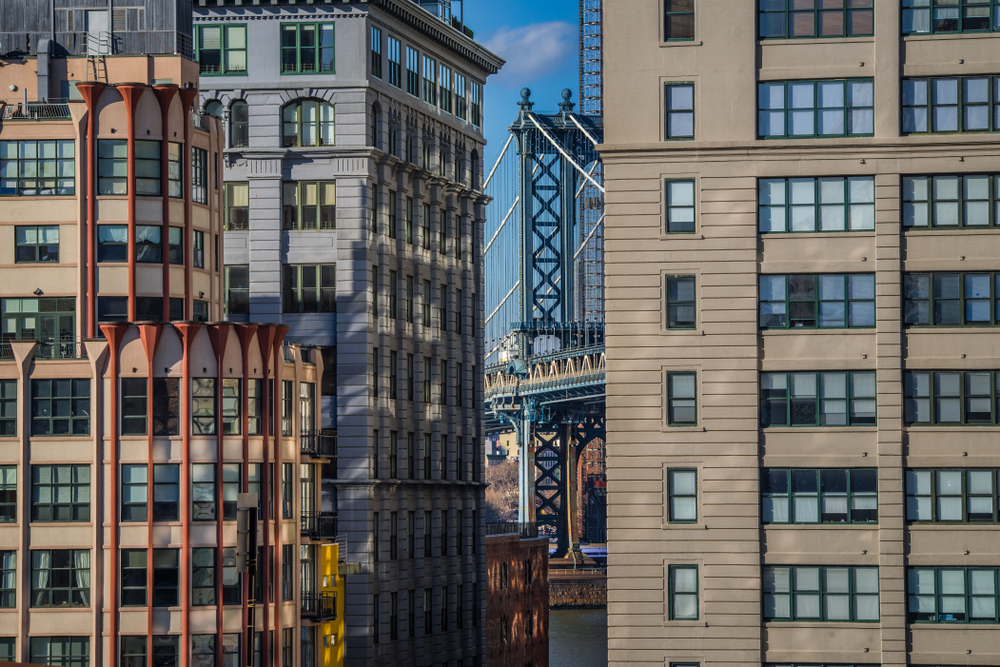
Not long ago, a Manhattan apartment listing could charge a premium just by mentioning a rooftop deck, a concierge, and a fitness center. Today, many of those same amenities barely get a mention during showings.
What renters actually want has changed, and if you’re apartment hunting in New York City, or a landlord trying to fill a unit, understanding these priorities could save you time and frustration. The shift reflects how people use their homes after years of remote and hybrid work reshaped daily routines. Noel James Maaba, a licensed real estate salesperson with Elegran | Howard Hanna who manages over 155 buildings across New York City, has watched this play out across his portfolio.
“People are caring less about amenities and more about space,” he said. “What we care about as renters is space, light, and convenience.”
Here’s what’s actually driving decisions right now:
Space Over Status
The number one thing renters ask about today isn’t the building’s amenities list; it’s square footage and layout. How big is the living room? Is there room for a desk? Does it feel open or cramped the moment you walk in?
This is a direct result of how people live now. Remote work didn’t just change where people work; it changed how they experience their homes. When you’re spending 8 to 10 hours a day inside your apartment, the space around you matters in a way it didn’t when you left for an office every morning. A rooftop lounge means nothing if your apartment feels like a closet.
Natural Light
Walk into a dark apartment in New York City and watch how fast people check out. Natural light has always been desirable, but it’s moved firmly into must-have territory. Renters are paying attention to which direction windows face, how many windows a unit has, and whether light actually reaches the living space or gets blocked by the building next door.
For landlords, this is worth knowing: two apartments with identical square footage and price can get very different levels of interest based on light alone. A bright unit fills faster. A dark one sits.
A Real Home Feel
Maaba noticed something among renters who have lived in New York for two to four years or longer. They’ve stopped chasing the “cool neighborhood” and started asking a different question: Does coming home actually feel good?
“People care more about what coming home feels like,” he said. “Does it feel happy, or does it feel like I’m walking into a dungeon so that I can sleep?”
Newer renters, people relocating from out of state or abroad, still gravitate toward well-known neighborhoods like the East Village, Lower East Side, Midtown, and the Upper West Side. But long-term New Yorkers are increasingly willing to trade a trendy zip code for an apartment that genuinely feels like a home.
For landlords with properties in less prominent neighborhoods, this is good news. A well-maintained, spacious, light-filled apartment in Ridgewood or Kew Gardens can compete with something in a pricier area if it simply feels good to be in.
Convenience Over Everything Else
The final piece of the equation is practical: how easy is it to actually live there? Proximity to a subway line, a grocery store, a pharmacy, these aren’t glamorous, but they’re what renters weigh when deciding whether to sign a lease or keep looking.
This is especially true for renters who work from home. When you’re not commuting to an office every day, your neighborhood becomes your entire world. The coffee shop you can walk to, the park nearby, the ability to run errands without a 20-minute subway ride, all of it matters more when your apartment is also your workplace.
What Landlords Should Take Away
If you’re trying to fill a unit, stop leading with the amenity list and start leading with the apartment itself. Good photos that show natural light and actual room size will outperform a bullet list of building features every time. Price the unit based on what’s actually renting in your area, not what you hope the market will bear.
And if your building has a gym that nobody uses or a rooftop that’s rarely open? Renters aren’t paying extra for those things anymore. They’re paying for space, light, and the feeling that they can actually live well inside the unit you’re offering.
Looking Ahead
The New York City rental market has quietly reorganized itself around a simple idea: home should feel like home. For renters who’ve been in the city long enough to know what they need, amenity packages have lost their pull. The apartments that fill fastest are the ones that deliver on daily livability, enough room to work and relax, natural light that reaches the living space, and a location that makes everyday errands effortless. Landlords who recognize this and market accordingly will spend less time with vacant units. Those still relying on flashy building features to justify higher rents may find themselves waiting longer for a signed lease.
About the Expert: Noel James Maaba is a licensed real estate salesperson with Elegran | Howard Hanna who manages more than 155 buildings across New York City.
This article is intended for informational purposes only and does not constitute legal, financial, or investment advice. The views and opinions expressed herein reflect those of the individuals quoted and do not represent an endorsement of any company, product, or service mentioned. Readers should conduct their own due diligence and consult qualified professionals before making any investment decisions.
Similar Articles
Explore similar articles from Our Team of Experts.