
You’re trying to help. Your parent is getting older, the house is too big, and everyone agrees it’s probably time to make a move. But somewhere between the first conversation and...

New York's Catskills Real Estate Market: Entry Points and What to Avoid

Written by:
Date:
27 May 2026
Share via Facebook

Share via Linkedin

Share via X

Copy to clipboard

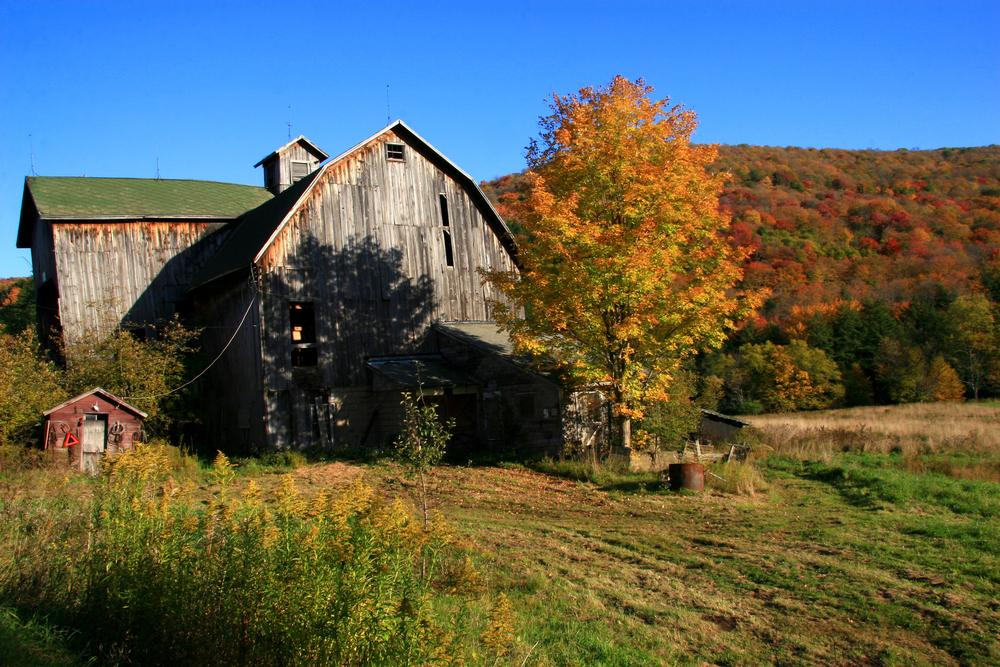
The Catskills have always had a certain pull – mountain air, open space, a slower pace of life, just two hours from Manhattan. But beyond its lifestyle appeal, this region has quietly become a serious destination for small investors looking to invest in real estate outside expensive city markets. With the post-pandemic frenzy now faded and prices softening, the window for patient, well-capitalized buyers may be wider than it has been in years. The question is: where exactly is the opportunity, and what should you avoid?
Fredericka Taylor, principal broker of Taylored Real Estate, has been selling recreational and residential properties in the Catskills since 2001. She specializes in the kind of properties most agents never deal with – camps, bungalow colonies, resorts, and land – and keeps a close eye on the everyday investment activity happening across the region.
The Two Catskills
The Catskills aren’t one uniform market. The region splits into two distinct areas that behave differently enough that treating them as interchangeable is a mistake.
Ulster County, on the eastern side, includes Kingston and has attracted a steady wave of higher-income transplants from New York City. Many of these buyers started as weekend visitors and have gradually become full-time or near-full-time residents, commuting to the city two or three days a week and working the rest of the week remotely. Home prices in Ulster are higher, and investor activity has been consistent. “There’s always been a constant flow of investors buying multi-families in Ulster County,” Taylor says – small two- and three-family properties that generate rental income in a market with reliable demand.
Sullivan County, on the western side, is a different kind of opportunity. It has a longer history as a summer destination, famous for the grand resort era that stretched from the 1940s through the 1980s. It’s been slower to develop as a year-round residential market, but that’s changing. Monticello, the county seat, is in the middle of a real growth moment, and Taylor sees meaningful upside for investors willing to think a few years ahead. For builders and developers specifically, she believes Sullivan County has genuine housing demand that isn’t yet being met.
Regulatory Reality for Developers
For those considering land purchases, the approval process in the Catskills demands careful planning. It is long, expensive, and not guaranteed.
Developers in both Ulster and Sullivan counties must navigate township zoning, county regulations, and sometimes state oversight. Taylor has seen developers spend two years and hundreds of thousands of dollars in planning, permitting, and legal fees before breaking ground – and that’s when things go well. Approvals usually come through eventually, often with required modifications, but nothing is automatic. “Sometimes it’s possible you might not get approved,” Taylor notes.
This doesn’t mean development is a bad bet. Please factor the time and cost of the approval process into your financial model from day one. Investors who underestimate that runway tend to run into trouble.
What’s Selling – and What Isn’t
The broader market in the Catskills has slowed considerably from the post-pandemic peak. Taylor describes current conditions as the most difficult she’s seen since the 2007–2008 recession. Buyers are hesitant, financing is harder to secure, and the urgency that defined the market from 2020 to 2022 has largely evaporated.
For investors, that slowdown creates room to negotiate on price, particularly on residential properties that have been sitting. The buyers who are active right now tend to be cash-strong and patient, which puts them in a better position than they were two or three years ago.
Recreational properties – camps, bungalow colonies, seasonal resorts – are a different category entirely, and most require cash purchases because traditional lenders won’t finance seasonal, non-winterized structures. If you’re exploring that end of the market, make sure your capital is liquid before you start shopping.
The Clearest Entry Point
For small investors who aren’t developers and aren’t looking to operate a resort, Taylor consistently points to multi-family residential in Ulster County as the most straightforward path. The demand is there, the tenant base is real, and the properties are manageable in scale. Two- and three-family homes have been a reliable play in that market for years, and the current slowdown may create entry points that weren’t available at the peak.
Sullivan County is more speculative but potentially more rewarding for those with a longer time horizon. As Monticello continues to develop and infrastructure improves, early investors could see meaningful appreciation. The risk is higher, but so is the potential upside.
Looking Ahead
The Catskills offer something genuinely rare: a real estate market with strong lifestyle fundamentals, proximity to one of the world’s great cities, and price points that still make sense compared to what buyers would pay downstate.
The current slowdown has created breathing room for investors who were priced out or outcompeted during the boom years. But the opportunity isn’t uniform – Ulster County rewards steady, income-oriented investors, while Sullivan County favors those with patience and appetite for risk. In both cases, success depends on realistic expectations about timelines, regulatory costs, and the pace at which this market actually moves.
About the Expert: Fredericka Taylor is the principal broker and owner of Taylored Real Estate, a one-person brokerage specializing in recreational and resort properties across Sullivan and Ulster counties in New York’s Catskills region, with nearly 25 years of experience in this niche. Her practice covers children’s summer camps, bungalow colonies, resort properties, retreat centers, land for developers, and recreational properties.
This article is intended for informational purposes only and does not constitute legal, financial, or investment advice. The views and opinions expressed herein reflect those of the individuals quoted and do not represent an endorsement of any company, product, or service mentioned. Readers should conduct their own due diligence and consult qualified professionals before making any investment decisions.
Similar Articles
Explore similar articles from Our Team of Experts.