

Just a year ago, first-time buyers in North Florida faced a punishing market. Bidding wars, waived inspections, and offers above asking price were common, shutting out many who hoped to buy ...

Florida's Short-Term Rental Rules Are All Over the Map – What Bradenton Buyers Need to Know

Written by:
Date:
19 Mar 2026
Share via Facebook

Share via Linkedin

Share via X

Copy to clipboard

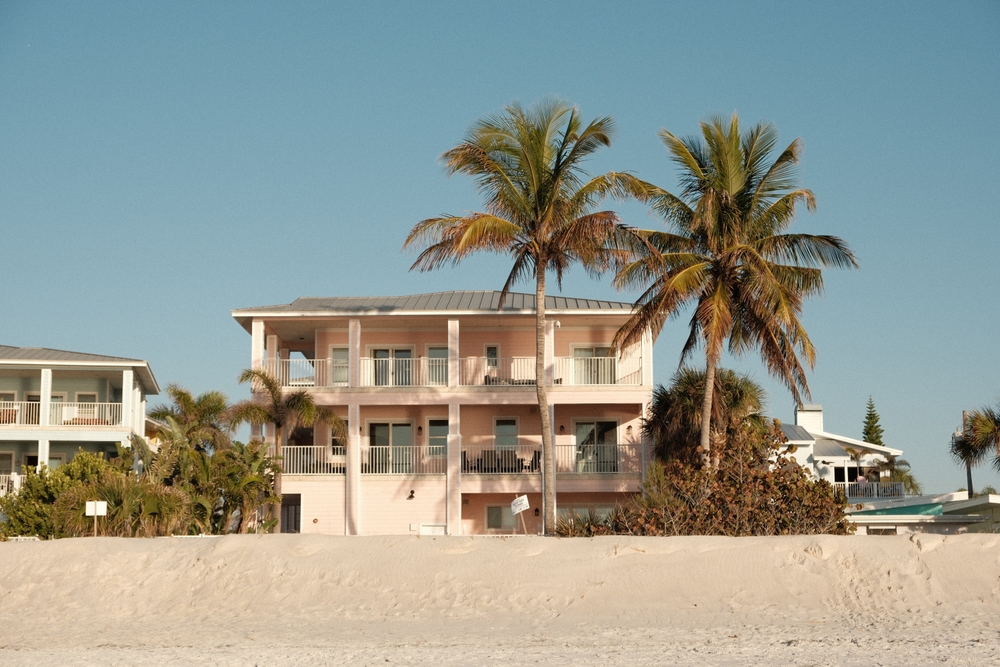
The appeal of Florida’s short-term rental market is clear: strong cash flow, steady demand, and the chance to host large groups near top destinations. But for buyers eyeing Bradenton and its surroundings, success hinges on understanding a maze of local regulations that can change with little notice.
Short-term rental rules in Florida are highly localized, varying not just by county but by city and even neighborhood. Overlooking these details can lead to costly mistakes, including buying a property that can’t legally operate as intended or facing fines that erode returns. Here’s a clear look at what’s enforceable in the Bradenton area, how nearby markets differ, and what steps investors need to take before closing a deal.
Bradenton and Manatee County
Bradenton sits in Manatee County, where the county government imposes few restrictions on short-term rentals. There is no minimum stay requirement, so properties can be rented nightly if the owner chooses.
Within the city limits, Bradenton requires a business license for short-term rentals and sets an occupancy cap: two guests per bedroom, plus two additional guests per property. This means a four-bedroom home can legally host up to 10 people. These requirements are strictly enforced, and operating without a license or exceeding occupancy limits can result in fines.
Rich Clover, a real estate agent at Savvy STR Agents specializing in short-term rental properties in the Bradenton area, says the lack of county-level restrictions is a major draw for investors. “At the county level, there are no restrictions on short-term rentals,” Clover explains. “That’s a big reason investors are drawn here.”
In early 2025, a proposal to study potential new restrictions surfaced at the county commission but was quickly dropped. As of mid-2025, the regulatory environment in Bradenton and Manatee County remains stable, with no pending changes.
Nearby Markets
Short-term rental regulations change dramatically just a short drive from Bradenton. St. Petersburg and Clearwater, for example, enforce 30-night minimum stays, effectively shutting out most short-term rental operators. These rules are designed to protect the hotel and resort industry, which has a significant influence in areas with large hospitality sectors.
Sarasota County prohibits short-term rentals altogether, while the city of Sarasota allows them but requires a minimum stay of seven nights. This makes it difficult to operate properties aimed at weekend travelers or large groups seeking flexibility.
Pinellas County, which includes popular beach towns, implemented a new rule in March 2025 that limits all short-term rentals to a maximum of 10 guests, regardless of home size. This cap has a major impact on owners of larger properties, such as five- or six-bedroom homes that previously accommodated groups of 18 to 22 people. The rule is currently enforceable, though it faces legal challenges.
Clover notes that these stricter rules tend to appear in markets with major resorts and hotel chains. In contrast, Bradenton’s beaches are lined with single-family homes and lack high-rise condos or large resorts, contributing to a more permissive regulatory climate.
Essential Steps Before Buying
Buying a short-term rental in Bradenton, or anywhere in Florida, requires careful due diligence. Investors should:
– Verify both county and city rules. City-level restrictions often differ from county regulations. For example, Bradenton’s occupancy cap does not apply countywide.
– Confirm licensing and registration requirements. Bradenton mandates a business license, while other cities may require registration, inspections, or annual renewals. Failing to comply can result in penalties or forced shutdowns.
– Check occupancy limits before finalizing property design. If you plan to host large groups, ensure local rules allow it. Pinellas County’s 10-guest cap, for instance, makes larger homes less profitable.
– Monitor pending proposals. Regulatory changes can happen quickly, sometimes during escrow. Stay informed by working with local agents or property managers who track these issues.
– Budget for compliance costs. Licenses, inspections, and possible legal fees should be included in your financial analysis.
– Plan for material participation if you intend to claim tax benefits. To qualify for accelerated depreciation, you or your spouse must be actively involved in management and log at least 100 hours per year through tasks such as booking, maintenance coordination, or guest communication.
Who Faces the Biggest Impact
Local rules affect investors differently depending on their situation. Out-of-state buyers are particularly vulnerable because they may not keep up with local policy changes. If you’re buying remotely, it’s essential to work with an agent who tracks regulatory developments and can alert you to new or proposed rules.
Owners of large homes face the greatest risk from occupancy caps. A six-bedroom property designed to sleep 18 guests loses significant revenue if local rules limit occupancy to 10. This directly affects cash flow and return on investment.
New investors, especially those unfamiliar with the area, often miss city-specific restrictions. They may assume county rules apply everywhere and only discover city-level limitations after closing.
When New Rules Apply
Bradenton’s current regulations, including the business license requirement and occupancy cap, are already in effect. Buyers must comply from day one. In Pinellas County, the 10-guest cap has been in place since March 2025. Some properties operating before the change were grandfathered in, but new purchases must follow the current cap.
If you are closing on a property soon, verify which rules will apply on your actual closing date, not just when you made the offer. Regulations can change during escrow, and enforcement is based on the rules in place at closing.
What This Means for Investors
Florida’s short-term rental rules are inconsistent from one jurisdiction to the next, and Bradenton’s relatively open environment is unusual. Investors cannot afford to assume uniformity across counties or cities. Before making an offer, confirm all relevant rules, pay close attention to occupancy limits, and monitor for any pending proposals that could impact your investment. “Regulations are something we definitely keep an eye on,” Clover says. “They can change the entire investment thesis overnight.”
About the Expert: Rich Clover is a Real Estate Agent with Savvy STR Agents in Bradenton, Florida. He focuses on short-term rental investments on Florida’s Gulf Coast.
This article is based on information provided by the expert source cited above. It is intended for general informational purposes only and does not constitute legal, financial, or real estate advice. Readers should conduct their own research and consult qualified professionals before making any real estate or financial decisions.
Similar Articles
Explore similar articles from Our Team of Experts.