
Washington, DC’s strict building regulations keep the city’s residential market supply-constrained, setting it apart from other major metros. While cities such as Miami, Phoenix, and Aus...

Why Buyers in Cape Coral, Florida, Are Choosing Newer Homes Over Fixer-Uppers

Written by:
Date:
12 Mar 2026
Share via Facebook

Share via Linkedin

Share via X

Copy to clipboard

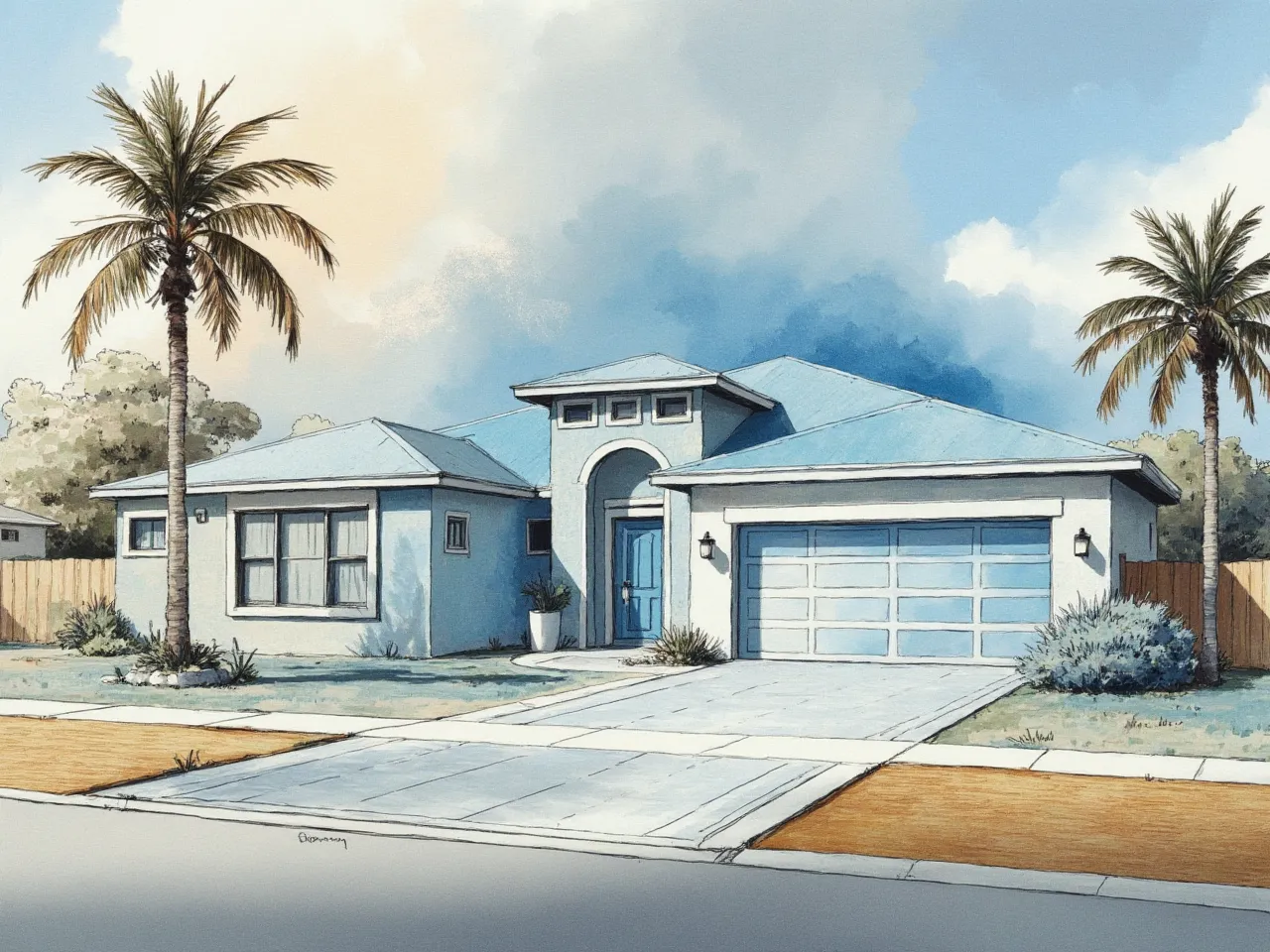
In Florida’s Cape Coral, a 1978 ranch with brown siding sits next to a brand-new build with gray modern finishes. Both are priced similarly, but the new construction is very likely the one that will sell first.
The reason comes down, at least partly, to supply. Cape Coral’s vast inventory of buildable lots — roughly 100,000 — made it easy for developers to flood the market during the pandemic construction boom. Today, about one in three homes for sale has never been lived in, putting older properties in direct competition with new builds they can’t easily match.
Why New Construction Is Winning
But supply alone doesn’t explain why buyers are so consistently choosing new over old. The deciding factor, increasingly, is what a home costs to own — not just to buy. “Newer homes are less expensive to insure,” says James Sommers, team leader with the James Sommers Team in Cape Coral.
Homes built after 2003 meet stricter Florida hurricane codes, resulting in lower insurance premiums. That year was critical because Florida adopted Miami-Dade wind-resistance standards statewide, changing how roofs are attached to structures.
As a result, insurance costs have become a deciding factor. A homeowner’s policy that was $2,500 a year before Hurricane Ian can now cost $6,000 or more, depending on the home’s age and location. Buyers find that a newer home with lower insurance and minimal maintenance may cost less each month than an older, cheaper home with higher ongoing expenses.
Flood zones add another layer of cost. Homes built before 1984 — when FEMA updated flood maps — are more likely to need expensive flood insurance. Many of these older properties flooded during Hurricane Ian, and even after renovations, buyers remain cautious. If a 1970s home looks newly remodeled, buyers often suspect it was gutted and rebuilt after flooding.
Newer homes are also built at higher elevations due to updated codes, reducing both flood risk and insurance costs. Buyers who choose homes outside flood zones or built after 1984 typically secure better insurance rates and have fewer coverage issues.
What’s Happening to Older Homes
Older homes are still selling, but only if they are priced right or updated beforehand. Properties from the ’60s, ’70s, and ’80s with tired kitchens, dated bathrooms, and aging systems are sitting on the market longer — even after price cuts. Buyers directly compare outdated interiors with move-in-ready new builds.
Some buyers don’t even bother trying to salvage the existing structure. They’re purchasing older homes in waterfront areas essentially for their lot value. Buyers purchase these properties, rent them out short-term to cover taxes and insurance, and eventually tear them down to build new homes. This approach works best in neighborhoods with strong boating access, where the land itself justifies the investment.
The Rental Market Is Feeling It Too
The same glut of newer, more attractive inventory that’s squeezing older home sellers is now hitting landlords too. Cape Coral has added 5,000 new apartment units in recent years, and investors who built spec homes during the boom — unable to sell at their target prices — have pushed even more inventory into the rental market.
The result is a level of competition rarely seen here: landlords with older properties are offering concessions like a free month’s rent, and some brand-new apartment complexes are dangling three months free on a year’s lease. Rental rates have dropped, older single-family landlords are lowering rents or offering flexible terms to compete, and for renters at least, Cape Coral has become affordable again.
What Buyers Should Look For
Buyers should prioritize homes built after 2003 to maximize insurance savings. Always request insurance quotes before making an offer — not after. In Cape Coral’s market, that number can meaningfully change what you’re willing to pay, and it gives you leverage in negotiation if costs come in high.
Check both the flood zone and construction year. Properties outside flood zones or built post-1984 cost less to insure and tend to retain value. If you’re considering an older home, request an elevation certificate to determine if lower flood insurance rates are available.
If you’re drawn to a waterfront property that’s older or in a flood zone, factor in not just insurance but the possibility that the home’s value is really in the lot. That’s not necessarily a dealbreaker, but it changes how you should think about the purchase. In a market that’s replete with post-Ian renovations, a thorough inspection is non-negotiable. A remodeled interior doesn’t always mean a sound structure — know what was fixed and what wasn’t.
And think about the next buyer, not just your own costs. A home with lower insurance, a metal roof, and modern finishes will be easier to sell when the time comes. Older homes are only getting older.
What Sellers Should Do
For sellers of older homes, the calculus is straightforward: price aggressively, or invest in updates. Modern kitchens and bathrooms matter most. Buyers in Cape Coral are directly comparing older interiors with move-in-ready new builds, and features like quartz countertops, new appliances, and updated flooring can be the difference between a showing and a pass. A metal roof is worth the investment too, signaling to buyers that insurance costs will be lower and maintenance minimal.
It’s important to price realistically from the start. Overpricing leads to longer market times while buyers gravitate toward newer options, and offering credits for updates or repairs is often more effective than hoping buyers will overlook dated features. If your home is in a flood zone or was built before 1984, be ready to justify your price. Documentation showing the home avoided flooding during Hurricane Ian, or evidence of renovations that lower insurance costs, can go a long way with cautious buyers.
The Bottom Line
Cape Coral’s market is still recalibrating, but the current direction is clear. As older homes continue to age, they become further out of step with buyer expectations. As insurance costs continue to reward newer construction, the gap between old and new will only widen. Sellers who adapt early, whether through pricing or investment in updates, will fare better than those who wait for the market to come to them.
For buyers, the opportunity is real. Increased supply, motivated sellers, and more competitive rents have created breathing room that didn’t exist during the pandemic boom. The key is doing the math before falling in love with a property — because in Cape Coral right now, what a home costs to own matters as much as what it costs to buy.
About the Expert: James Sommers leads the James Sommers Team at RE/MAX Trend in Cape Coral, Florida. With 23 years of experience in Southwest Florida real estate, he specializes in residential sales and has guided clients through multiple market cycles.
This article is based on information provided by the expert source cited above. It is intended for general informational purposes only and does not constitute legal, financial, or real estate advice. Readers should conduct their own research and consult qualified professionals before making any real estate or financial decisions.
Similar Articles
Explore similar articles from Our Team of Experts.