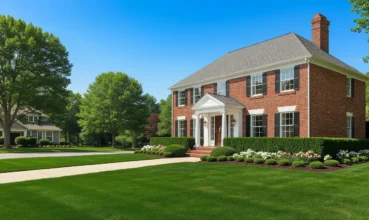
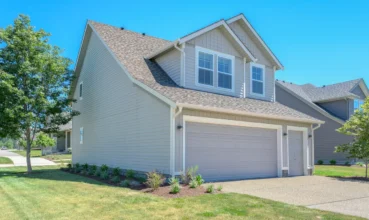
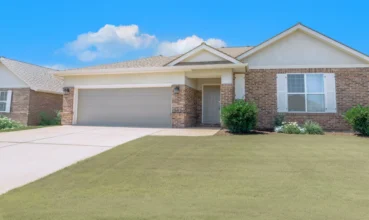
South Florida’s condo market has entered a downturn, pushing many affluent buyers toward single-family homes. Jerry Lechter, sales associate at Stellar Communities Realty LLC, says the financial case for condo ownership has weakened and no longer appeals to buyers seeking long-term wealth.
Rising costs, limited ownership rights, and structural disadvantages are driving this shift. These pressures have intensified as Florida’s insurance crisis and building maintenance challenges worsen.
Condo Costs and Limits
A key disadvantage of condo ownership, Lechter explains, is that buyers do not own the physical structure of their unit. They own only the interior space and fixtures, not the walls, floors, or ceilings. The condominium association owns the building’s structural elements.
“If you buy a condo, you do not own the walls of the condo,” Lechter says. “What you own is basically the contents, everything that’s inside the condo.”
This structure means condo owners have no land equity and limited control over maintenance or major upgrades. The condo association makes these decisions and can impose special assessments to fund repairs.
The financial burden has increased significantly in recent years. Homeowners association fees, which cover maintenance, amenities, and reserves, now add substantial costs. Lechter reports monthly HOA fees reaching $4,000 to $6,000 in some South Florida properties.
“You have an HOA that’s reaching absurd levels, $4,500, $6,000 a month,” Lechter says. “And you still have to contribute more for insurance.”
In addition to HOA fees, owners must pay for unit insurance and may face special assessments. Combined, these costs often exceed those of owning a similarly priced single-family home, without the benefits of land ownership or direct control.
Ownership Rights Constraints
Condo ownership limits control compared to single-family homes. Owners cannot independently make major structural changes or improvements.
Instead, they rely on association decisions that may not align with individual financial goals. This reduces flexibility and weakens the investment appeal.
Single-family homeowners retain full ownership of both the structure and land. This allows them to manage maintenance, upgrades, and long-term decisions directly.
Insurance Costs Rise
Florida’s insurance crisis has hit condo owners especially hard. They must pay for both personal unit insurance and a share of the building’s master policy.
As premiums rise, associations pass costs to owners through higher fees and special assessments. This creates a compounding financial burden.
Even after paying high HOA fees, owners face continued increases. Unlike single-family homeowners, they cannot shop for building insurance or reduce costs through property improvements.
As a result, condo ownership is becoming less attractive, especially for investors.
“I never understood the value of a condo,” Lechter says. “I just don’t like the concept of it.”
Developers Change Strategy
Developers are shifting toward single-family home construction, particularly in the luxury segment. Lechter’s firm has stopped building condos and now focuses on single-family homes.
Condo development involves longer timelines, complex financing, and coordination with association requirements. Single-family projects are simpler and align better with current demand.
“You don’t get any land,” Lechter says, emphasizing a key drawback of condos.
This shift reflects market demand. Buyers increasingly prefer land ownership, control, and more predictable costs.
South Florida Market Impact
The move away from condos is reshaping South Florida’s housing market. Condos once served as a more affordable entry point, but rising costs are eroding that advantage.
The market is becoming more divided, with luxury single-family homes at the high end and fewer affordable options for middle-income buyers.
Condos that once supported workforce and retirement housing now carry cost structures that place them out of reach for many buyers.
For prospective buyers, the takeaway is clear. Single-family homes offer stronger value retention, clearer ownership rights, and more predictable costs.
Unless condo costs stabilize, single-family homes will likely remain the preferred option for buyers and developers.
Looking ahead, the condo market may recover if insurance premiums and association fees moderate. For now, the advantages of single-family ownership continue to shape buyer preferences and development trends.