

San Francisco Bay Area apartment occupancy is rising quickly, fueled by an AI boom reshaping demand in unexpected ways. The surge is not driven by highly paid employees at Google or Meta in ...

Sarasota's Barrier Islands Lose Their Appeal as Buyers Head Inland

Written by:
Date:
01 Apr 2026
Share via Facebook

Share via Linkedin

Share via X

Copy to clipboard

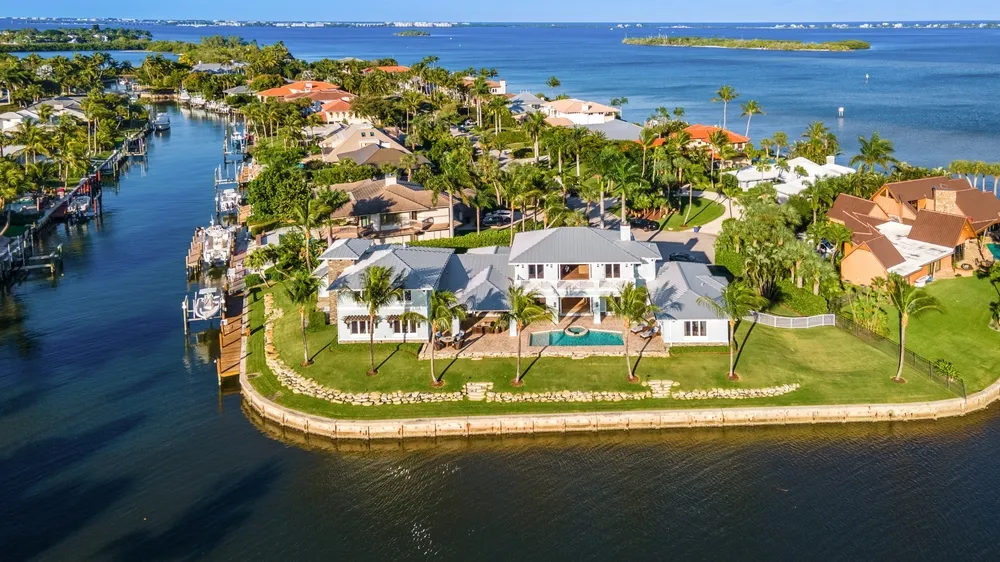
After two decades of selling waterfront homes along Florida’s Gulf Coast, Bob Ruiz is seeing longtime patterns break. His clients—many of whom spent years living steps from the sand—are selling their barrier island homes and moving to Sarasota’s mainland. The reason isn’t a desire to leave the area, but a sharp change in the practical realities of island living.
“A lot of my clients are selling on the barrier islands and moving to the mainland,” says Ruiz, a realtor with Ruiz Group SRQ who specializes in luxury waterfront properties. Following Hurricanes Helene and Milton in 2024, insurance premiums surged, flood risks became impossible to ignore, and the overall cost of owning beachfront property climbed so high that even cash buyers began to question the value.
Barrier Island Prices Fall, Mainland Holds Steady
The result is a significant change in Sarasota’s high-end real estate market. On Siesta Key, Casey Key, Lido Key, and Longboat Key, prices have dropped 20 to 25 percent from their 2023 peaks. Mainland properties, which are farther from the water and out of the highest flood-risk zones, have seen smaller declines—just 10 to 15 percent. For the first time in years, the barrier islands are no longer the default choice for affluent buyers.
How Hurricanes Changed Buyer Calculus
The 2024 hurricane season didn’t just disrupt the market for a few months—it changed how buyers and owners think about risk and value. Homes built below required elevations of nine or ten feet flooded during the storms, and many of those properties remain unsold even a year later. Some owners can’t get insurance at any price; others have decided not to rebuild. “Homes that got flooded are just sitting,” Ruiz says. “When you average them all together, you end up with homes sitting 350 days.”
Even homes that escaped flooding have been affected. Insurance premiums have increased for all properties, including condos and single-family homes. Buyers now routinely ask about flood zones, property elevation, and whether insurance is even available. If a property doesn’t meet key criteria, buyers often submit offers 30 percent below the asking price—or skip it entirely.
Condo owners face an additional burden. As insurance costs have risen, condo associations have increased monthly fees to cover the difference. What once felt like a manageable expense can now resemble a second mortgage. “If carrying costs go up, it’s going to drive the price of the home down,” Ruiz says. Even buyers who pay cash—about 60 percent of Sarasota’s second-home and retirement market—are reconsidering whether the numbers add up.
Why More Buyers Are Choosing the Mainland
The shift inland isn’t about abandoning Sarasota’s lifestyle. Instead, many long-term island residents are re-evaluating what they want. After 15 or 20 years of beach living, some realized they rarely visit the shore anymore. Their priorities have changed: they want less risk, lower insurance bills, and a ground-level home without stairs.
“They’re risk-averse,” Ruiz says. “They lived out on the islands for ten or fifteen or twenty years. Been there, done that. Now they just want a property with less cash flow expenditures.”
Mainland homes offer tangible advantages. Insurance costs are lower, flood risk is reduced, and there’s no condo board raising fees to cover storm damage. For retirees or second-home buyers paying cash, these savings are substantial.
How to Navigate This New Market
For buyers, current conditions favor negotiation—especially on the islands. Inventory is high, condos are staying on the market for over 100 days, and sellers are more open to concessions. Buyers should ask for closing-cost credits, request repairs up front, or make offers below the asking price. “The buyers are holding the purse strings,” Ruiz says.
Due diligence is essential. Before making an offer, buyers should obtain an insurance quote and check the property’s flood zone status and elevation. If the home is below the required height, coverage may be expensive or unavailable.
Sellers on the barrier islands need to price aggressively to attract interest. Overpricing will leave homes lingering while buyers tour more affordable, lower-risk properties on the mainland. Offering incentives—such as paying for inspection repairs or including a home warranty—can help. Properties that flooded or are in high-risk zones may receive low offers or linger on the market.
Mainland sellers are in a better position but should not expect 2023 prices. The market has cooled, and buyers are aware of this. Competitive pricing and an emphasis on low carrying costs, especially for properties outside flood zones, will help draw interest.
What This Means
Sarasota’s barrier islands are no longer the automatic dream destination they were just a few years ago. Hurricane risk, rising insurance costs, and increasing HOA fees have pushed many buyers to choose the stability of mainland properties over the allure of waterfront views. “People think their property is worth a lot of money,” Ruiz says, “and they don’t realize the value is probably down 15 or 20 percent.”
Going forward, both buyers and sellers need to focus on the financial realities rather than nostalgia or reputation. For buyers, that means prioritizing properties where the long-term numbers work. For sellers, especially on the islands, it means adjusting expectations and being proactive to attract serious buyers.
About the Expert: Bob Ruiz is a Realtor with Ruiz Group SRQ (William Raveis Real Estate), Sarasota. Focus: Luxury waterfront properties, barrier islands, and mainland Sarasota residential sales.
This article is based on information provided by the expert source cited above. It is intended for general informational purposes only and does not constitute legal, financial, or real estate advice. Readers should conduct their own research and consult qualified professionals before making any real estate or financial decisions.
Similar Articles
Explore similar articles from Our Team of Experts.