St. Petersburg’s real estate market is facing a pricing mismatch that standard metrics fail to capture, according to veteran agent Joshua Neitz. While official data shows home prices down ...

Why Real Estate Must Prioritize Preservation Before More Historic Homes Disappear

Written by:
Date:
28 Aug 2025
Share via Facebook

Share via Linkedin

Share via X

Copy to clipboard

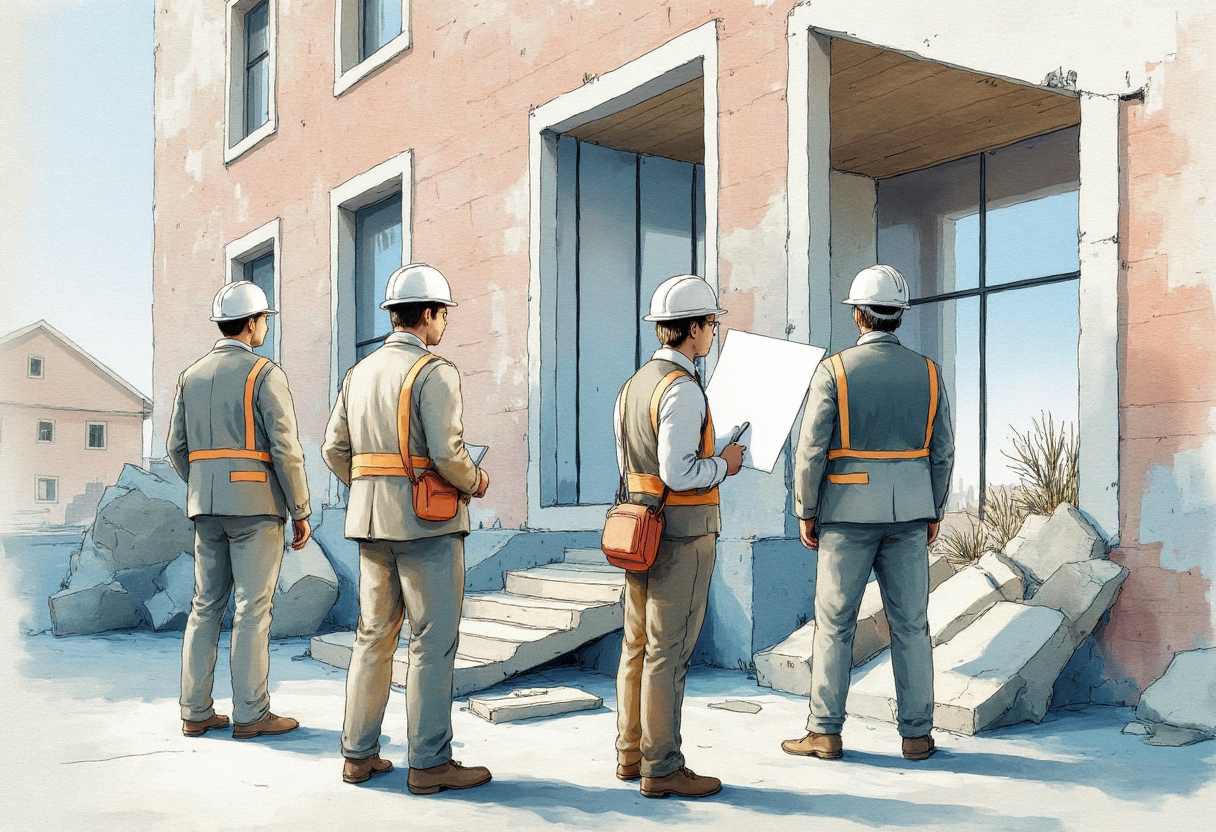
A Pennsylvania real estate professional is sounding the alarm about the loss of historic properties, arguing that the industry needs to shift its focus toward preservation rather than demolition.
“I see so many historic properties being torn down and the items inside just being tossed or dumped into landfills,” says Alan Moose, a Realtor with Berkshire Hathaway HomeServices Homesale Realty who specializes in historical properties. “That’s really my passion, historical restoration.”
The Preservation Challenge
Moose, who covers the York and Harrisburg areas, sees a concerning pattern in how historic properties are handled. His experience renovating multiple homes, both personally and professionally, has given him unique insight into the value being lost when historic properties are demolished rather than restored.
“The piece of salvage and repurpose” is particularly important, Moose says, noting that architectural elements and materials from historic properties often end up in landfills despite their potential value and historical significance.
Market Dynamics
The current real estate environment presents both challenges and opportunities for preservation. While Moose notes strong activity in the mid-market segment, with some properties selling for “$25,000 over asking price,” he suggests this pressure could potentially threaten more historic properties if not properly managed.
His work spans “suburbs to rural farms to inner city” properties across the region, giving him broad perspective on preservation needs across different property types and locations. Currently, he’s working with several parcels near Gettysburg, an area rich in historical significance.
Building a Preservation Focus
Moose advocates for a more preservation-minded approach to real estate, drawing on his background in renovation and his MBA from Frostburg University. “I’ve always had an interest in anything related to houses, gardening, landscaping, renovation, salvaging historic properties,” he explains.
While he acknowledges that historical restoration is “a special niche” that “takes a while to get established,” Moose sees growing potential in this area. His goal includes expanding into property renovation and restoration: “I’d love to flip houses, purchase and renovate and restore and then resell.”
Looking Forward
The path to increased preservation isn’t simple, Moose suggests. It requires building relationships across the industry and maintaining enthusiasm for the work. “Don’t be afraid to build the relationships, meet people, talk about what you’re doing, be excited about it,” he advises.
This network-building approach could help create more support for preservation efforts, potentially leading to better outcomes for historic properties across the region.
Similar Articles
Explore similar articles from Our Team of Experts.