
“It’s just as easy to do something big as it is to do something small. So you might as well pursue something that truly excites you,” says Matthew Aitchison, quoting Blacks...

From Flipping Houses to Flipping the Script on Real Estate Education

Written by:
Date:
05 Aug 2025
Share via Facebook

Share via Linkedin

Share via X

Copy to clipboard

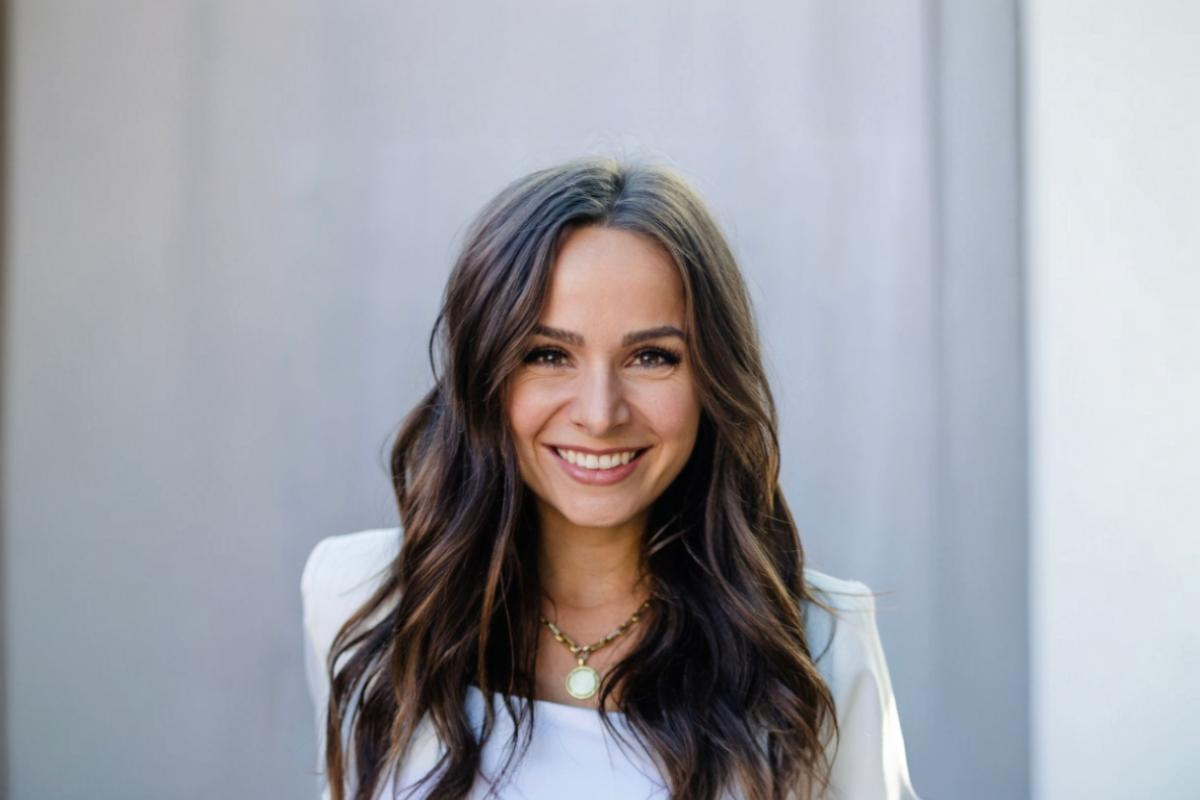
The real estate industry has long struggled with a fundamental disconnect: while homeownership remains a cornerstone of wealth building, many potential buyers feel overwhelmed by the complexity and cost of the process. Jessica Randolph, host of the “How to Buy a House” podcast and founder of The How To Buy A House Class, has built her career around bridging that gap through an education-first approach that is changing how agents connect with clients.
A Foundation Built on Hands-On Experience
Randolph’s journey into real estate began with a cold call that would define her career trajectory. At 19, after moving to Nashville with a passion for historic architecture but no clear career path, she spotted a house renovation project and decided to take action.
“I left a voicemail for the person doing that project and told them I didn’t have any experience, like I just got my braces off. I am a nobody, but if you need someone to wash your car or bring you lunch or sweep the floors of your projects, I will do whatever you want for free, because I just want to learn the business,” Randolph recalls.
That bold approach landed her a position with a 23-year-old entrepreneur flipping houses in East Nashville. Over the next several years, Randolph gained experience in design, project management, and eventually helping buyers navigate pre-construction purchases. The experience taught her a crucial lesson that would shape her future approach.
“I very quickly realized that I cared more about the people part of things than I did the actual house,” she explains. “The brick and mortar is great, but I really love working with these first-time home buyers and holding their hand through the process, because it is scary and it is expensive.”
The Education Revolution
After obtaining her real estate license in 2012 and working as a traditional agent, Randolph discovered the power of education as a business tool. In 2016, what she calls a “happy accident” led to an opportunity to teach home design classes. Instead, she pivoted to educating people about real estate investment.
“What I’m really passionate about is real estate, and helping people invest in real estate and learn how to buy a house the right way, so that they can not only save money, but they can save time and heartache and stress,” she says.
Her How To Buy A House Class became what she describes as “the game changer” for her business, increasing her annual sales and connecting her with new segments of the market.
Scaling Education Nationwide
Today, Randolph has expanded her local success into a national platform. How To Buy A House Class operates in 45 cities across the United States, with Randolph training other realtors to teach her curriculum in their local markets. The approach addresses a fundamental challenge in real estate education: the need for local expertise.
“Real estate is so local and so specific for each city,” Randolph notes. “Nashville is going to be very different than New York or LA or Denver, and there might be certain pockets in Nashville that have a lot of development potential because of new things going on in the city.”
This local focus creates advantages that digital solutions cannot replicate. “You can ask ChatGPT to tell you how to buy a house, and I’m sure it’s going to spit something out at you, but they’re not going to know all the off-market properties I have coming up. They’re not going to know the stories of real examples of things that have happened in the last week in real estate.”
Reframing the Affordability Crisis
While national headlines focus on housing affordability challenges, Randolph takes a different approach with her students. Rather than dwelling on market conditions beyond their control, she emphasizes personal financial readiness and strategic thinking.
“Don’t be caught up in what everybody else is buying or what everyone else is doing, but make sure that you feel comfortable with your payment,” she advises. “I’d rather help you buy something, and not necessarily buy your dream house the first time.”
Her philosophy centers on “Price, Condition, Location” rather than the traditional real estate mantra. This approach opens opportunities for buyers who might otherwise feel priced out.
A recent success story illustrates this strategy in action. Randolph worked with a single mother of three who had been renting and struggling with debt. After getting pre-approved for $250,000, they found a house in Dixon, Tennessee, for $195,000 that needed some attention but had strong potential.
“We negotiated that all of her closing costs get paid for, and we got the house for $195,000. She’s now been in that house for about four years, and I think we could sell the house for $350,000 today,” Randolph explains. “That smart investment now has springboarded her to be able to buy something that she really loves.”
The Power of Face-to-Face Connection
In an increasingly digital world, Randolph’s emphasis on in-person education might seem counterintuitive. However, she believes the COVID-19 pandemic actually reinforced the value of human connection.
“In our digital age, and I feel like I’m old school, I mean, I’m only 33 but I already feel old school, but COVID was such a good example that people want connection. They want face-to-face connection,” she observes.
This approach resonates with first-time buyers who may feel intimidated by the complexity of real estate transactions. By creating a classroom environment where questions are encouraged and local expertise is shared, Randolph’s model reduces the fear factor that often prevents people from taking action.
Investment Philosophy for the Masses
Central to Randolph’s teaching is the belief that real estate investment shouldn’t be reserved for the wealthy. She advocates for homeownership as soon as individuals have established basic financial stability, typically six months of living expenses saved.
“If you read about the wealthiest people in the world, they always say two things: invest in what you know. And the other thing they would tell you, but they won’t tell you, is that you should invest in real estate,” she explains. “If you look at all the wealthiest people from different industries, the one thing they all have in common is they all own a lot of real estate.”
Her classes emphasize long-term wealth building rather than short-term market timing. “You should buy as soon as you’re able, no matter what the market’s doing,” she teaches, pointing to clients who worried about high prices in 2016 but have since seen their properties double in value.
Expanding the Model
The success of How To Buy A House Class reflects broader trends in real estate education and agent differentiation. As traditional barriers to information have fallen, successful agents are adding value through expertise, local knowledge, and personal guidance.
Randolph’s model offers a template for agents looking to build deeper community connections while growing their businesses. By positioning themselves as educators first, agents can build trust and demonstrate expertise before clients are ready to transact.
“We become coaches for them on their own personal experience,” Randolph explains. “Let’s see what’s going on in your life, so that we can really make the best decision, because it’s not a one size fits all.”
Looking Forward
As How To Buy A House Class continues expanding with ambitions to eventually operate in every zip code in America Randolph’s approach offers insights into the evolving role of real estate professionals. In a market where information is abundant but wisdom is scarce, agents who can effectively educate and guide clients through complex decisions are finding sustainable competitive advantages.
The model also addresses broader industry challenges around first-time buyer engagement and financial literacy. By making real estate education accessible and locally relevant, programs like Randolph’s help expand homeownership opportunities while building stronger agent-client relationships.
For real estate professionals looking to differentiate themselves in competitive markets, Randolph’s journey from house flipper to education entrepreneur demonstrates the power of focusing on client needs rather than just transactions. In an industry often criticized for prioritizing commissions over client outcomes, her education-first approach offers a path toward more sustainable and meaningful professional relationships.
Jessica Randolph can be reached at [email protected], and her podcast “How to Buy a House” is available on major podcast platforms. Realtors interested in teaching the class in their markets can apply at howtobuyahouseclass.com.
Similar Articles
Explore similar articles from Our Team of Experts.