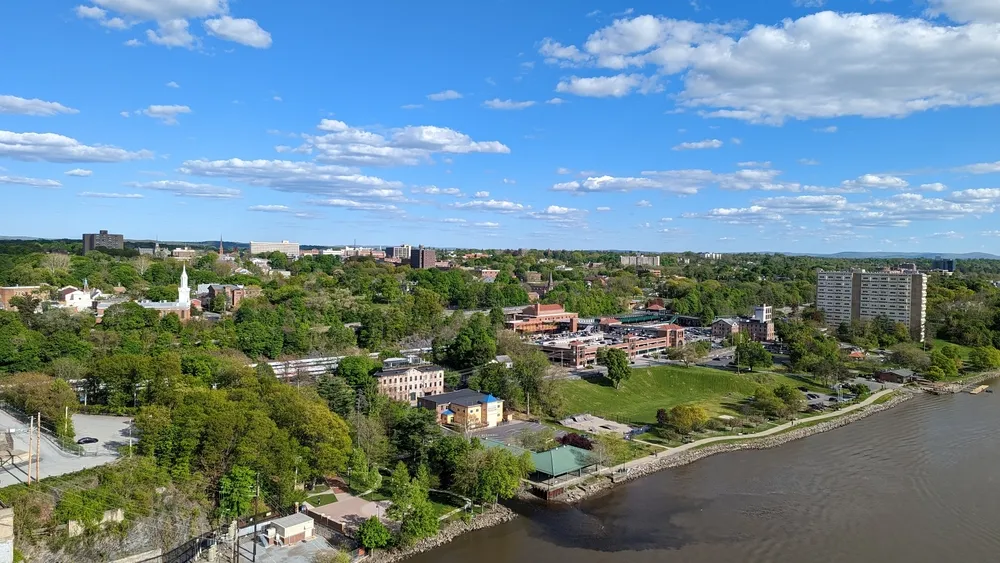
The purchase prices look almost too good to be true. In Newburgh, New York, a small Hudson Valley city of roughly 30,000 people spanning three square miles, properties can be listed for figures that would barely cover a parking spot in Manhattan. Investors who spot those numbers on a spreadsheet often assume the hard part is finding the deal. But as local practitioners argue, the hard part is everything that comes after.
Sarah Beckham, founder and principal broker of ReAttached Real Estate, a boutique brokerage focused on Newburgh, has watched a pattern repeat itself often enough that she now considers it one of the defining risks for outside capital entering small-city markets. The deal pencils. The timeline does not.
The Labor Pool Problem
The core problem is the construction labor pool. In a major metro area, contractors are plentiful and competitive. If one crew underperforms or overcharges, ten more are ready to bid. That dynamic does not exist just outside the reach of New York City. Skilled tradespeople tend to migrate toward the work that pays best, and that work is usually in Westchester or Manhattan. What remains in smaller markets is often a collection of small, independent operators: honest, capable, but not equipped for the pace or scale that investors expect.
The contractors available in a market like Newburgh typically run one-man or small family operations. Written quotes are rare. Project management tools are not part of the vocabulary. A confirmed agreement might amount to a text message and a handshake. For an investor used to deploying capital on a defined schedule, that reality is a serious obstacle, one that does not show up anywhere in the acquisition analysis.
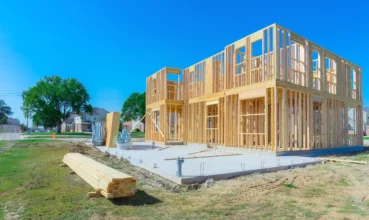
The numbers that look compelling on paper tend to assume a renovation timeline the local labor market simply cannot support. Beckham says deploying five million dollars in Newburgh over eighteen months is not realistic, regardless of how attractive the underlying deals appear. When fund managers arrive with ambitious deployment targets, she says her job is to slow them down before they end up holding vacant shells with no clear path to completion. “That outcome helps no one, not the investor, not the community,” she says.
Returns Require Hands-On Work
This is not an argument against investing in smaller markets. Beckham has built her own portfolio in Newburgh and describes the returns on early deals as extraordinary, cap rates in the high teens and above on properties that required significant work but rewarded the effort. Her point is that those returns came from being physically present, managing construction directly, maintaining relationships with local tradespeople, and accepting a timeline that moved at the pace the market allowed. Passive, remote investment at scale is a different proposition entirely.
The investors who tend to struggle are those who treat the low purchase prices as the primary variable and underestimate everything else. The deals that work are the ones where the buyer understands that construction dependency is the actual risk, not the acquisition price, not the financing, not the exit value.
For individual buyers or small investors considering a market like Newburgh, the implication is practical. If you are planning a value-add purchase that requires significant renovation, the question to ask before closing is not just whether the numbers work at completion. It is whether you have a realistic, specific plan for getting the work done, not a general assumption that contractors will be available when you need them. In tight labor markets outside major metros, that assumption is where deals go sideways.
Small Multifamily, Slower Pace
Beckham also points to a segment of the market she believes is being overlooked: small to mid-sized multifamily properties in sub-50,000-population towns, priced well below what institutional buyers typically target. She sees this as a space where the math works well for investors who can operate at the right scale and pace, but where the same construction constraints apply. The opportunity is real. The execution challenge is equally real, and it moves slower than most capital is accustomed to moving. Double the expected timeline, she suggests, and the deals that survive that adjustment are the ones worth pursuing.
One concrete data point illustrates how local demand complicates the investor calculus further. In Newburgh’s river-view neighborhoods, Beckham estimates that price per square foot runs roughly $100 higher than comparable properties without a view. That premium is being driven largely by homeowner demand, not investors, which means investors competing in those pockets are often bidding against buyers who are not running the same return calculations at all.
The broader lesson applies well beyond Newburgh. As housing costs in major metros push more capital toward smaller markets, the gap between what spreadsheet models predict and what local conditions allow will continue to trip up investors who move too fast. The markets with the lowest entry prices often carry the highest execution risk, not because the properties are bad investments, but because the infrastructure needed to realize their value operates on a fundamentally different timeline.
About the Expert: Sarah Beckham is the founder and principal broker of ReAttached Real Estate, serving the Newburgh, New York market. Her work in the city also includes an investment fund and a construction company operating in the same market.
This article is intended for informational purposes only and does not constitute legal, financial, or investment advice. The views and opinions expressed herein reflect those of the individuals quoted and do not represent an endorsement of any company, product, or service mentioned. Readers should conduct their own due diligence and consult qualified professionals before making any investment decisions.