The Houston suburbs have earned a reputation as one of the more stable residential markets in the country, insulated by a diverse employment base in energy, healthcare, and engineering. But in mid-2026, the picture is more nuanced than headline numbers suggest. Inventory is rising sharply, buyers are taking their time, and sellers are adjusting to conditions that have quietly moved against them over the past year.
Michael Flores, CEO and founder of Vantage Real Estate Group, has been working in the Katy and surrounding suburban markets since 2015. His perspective offers a useful read on what is actually moving, where friction is building, and what investors and homeowners should be watching over the next few years.
A Market Where Buyers Have the Upper Hand
The most immediate dynamic shaping the Katy market is inventory. Flores reports roughly 30% more inventory this year than last, with much of that supply driven by active new construction in North Katy. Prices have held relatively steady, and interest rates remain in the high sixes, a combination that has made buyers more deliberate.
That selectivity is showing up in negotiations. Buyers are increasingly requesting seller contributions toward closing costs alongside repair concessions, and they are routinely offering below the asking price. “That’s where you’re seeing a little bit more negotiation than we had a year ago,” Flores says.
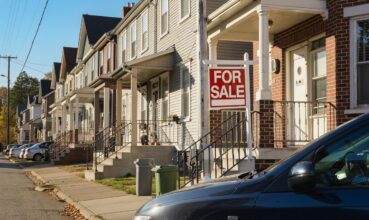
On the seller side, the harder conversation is around pricing. Many homeowners are still anchoring to comparables from four or five months ago, which no longer reflect current conditions. Flores advises pricing based on where the market is headed rather than where it has been. With four to five months of inventory on hand, the area has moved into balanced territory, a notable change from the seller-friendly conditions of recent years.
New Construction’s Uneven Impact
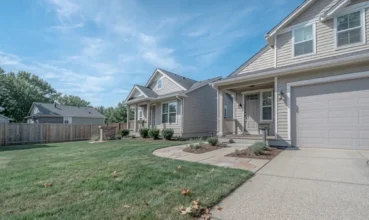
The surge in new construction is not affecting all of Katy equally. North Katy is absorbing the bulk of new builds, creating competitive pressure on resale sellers in those neighborhoods. South Katy, by contrast, is more landlocked and seeing less direct competition from builders, which is contributing to faster resale movement and relatively stronger pricing in that corridor.
For resale sellers near active construction, the math can be difficult. Flores describes homeowners who bought at $450,000, put 10% down, and find their homes still worth roughly the same amount two or three years later, particularly in neighborhoods where builders are still active. For those sellers, the options are limited: price aggressively, wait, or rent the property.
Competing with builders also requires understanding where each development stands in its lifecycle. A builder nearing closeout presents a different challenge than one just breaking ground with years of inventory ahead. “Is the builder close to closeout? Are they just starting? How many more years are they going to be there?” Flores says. The answers shape how aggressive a resale seller needs to be on price and incentives.
Where the Opportunity Is
For investors considering the Katy area, Flores points to new construction as the stronger entry point right now. Several builders, including DR Horton and Taylor Morrison, are offering price cuts to move inventory and have opened certain communities to investors. The Fulshear market, just west of Katy, also offers opportunities to approach a one-to-one rent ratio, meaning monthly rent roughly covers the mortgage payment.
Within Katy itself, the Cinco Ranch Southwest submarket stands out as a relatively bright spot. Flores reports that multiple-offer situations are still occurring there, with homes selling faster than in the broader market. That pocket continues to outperform, reflecting the premium buyers place on established neighborhoods with strong school ratings and lower inventory.
Why Katy Attracts Buyers
The underlying demand drivers in Katy have remained consistent. The area draws a mix of young families, dual-income households, and international transplants, many of them working in oil and gas, engineering, or healthcare. Proximity to the Texas Medical Center and the Energy Corridor makes the suburbs a practical choice for professionals seeking top-rated schools, low crime rates, and room for families to grow.
Flores notes that Katy is consistently ranked among the top school districts in the country, and that neighboring communities such as Cypress, Fulshear, and Brookshire have also been recognized as among the best places to raise a family. That combination of quality-of-life factors continues to draw relocating families and international buyers, with the area seeing notable migration from Venezuela, India, and the broader Middle East.
Watching the Horizon
Several developments could reshape the market over the next five years. The Houston Texans are building a new facility in Cypress, which is already prompting concerns about traffic and infrastructure strain in that corridor. Meanwhile, Richmond and Fulshear are experiencing rapid new construction, with the Lamar Consolidated school district reportedly needing to build one new school at every level, elementary, middle, and high school, every year for the next decade to keep pace with population growth.
As new schools, retail, and infrastructure follow rooftops westward, buyer demand could gradually shift away from established parts of Katy toward emerging communities on its edges. “When those new schools show up, the new infrastructure and stores and retail show up, it’s going to cause people to go more west,” Flores says. Combined with continued new construction in the north, these shifts could redirect interest toward areas that remain largely undeveloped today.
Building for the Long Term
For Vantage Real Estate Group, 2026 is less about expansion and more about depth. Flores is focused on strengthening relationships with past clients and growing the team by roughly ten agents, with a deliberate move away from transactional volume toward a more consultative model. “We’re really focusing on doubling down on our database and building stronger relationships with the people we know,” he says.
That orientation toward long-term relationships was shaped, in part, by experience. When Hurricane Harvey hit, Flores lost much of his team and had to rebuild from the ground up. The experience pushed him to rethink how he ran the business. “Nobody’s going to come and rescue you,” he reflects. “You’re going to need to decide what your next path is, and understand that the decision you make today will affect you in the future.”
For buyers, sellers, and investors trying to read the Houston suburbs in 2026, the takeaway is practical: rising inventory and cautious buyers have created a more balanced market, but one where location, pricing discipline, and timing matter more than they have in years. The broad growth story remains intact; employment, schools, and affordability continue to pull people west of Houston, but the gap between well-positioned properties and overpriced ones is widening, and patience is replacing urgency on both sides of the transaction.
About the Expert: Michael Flores is CEO and founder of Vantage Real Estate Group, serving the Katy and surrounding suburban Houston markets since 2015.
This article is based on information provided by the expert source cited above. It is intended for general informational purposes only and does not constitute legal, financial, or real estate advice. Readers should conduct their own research and consult qualified professionals before making any real estate or financial decisions.