

The New York City real estate market is changing rapidly, and in Queens, those shifts are apparent at the neighborhood level. In areas like Cambria Heights, homes priced under $800,000 are s...

When Your Dream Mountain Home Takes Three Years to Build – And Why That’s Actually Good News

Written by:
Date:
13 Jan 2026
Share via Facebook

Share via Linkedin

Share via X

Copy to clipboard

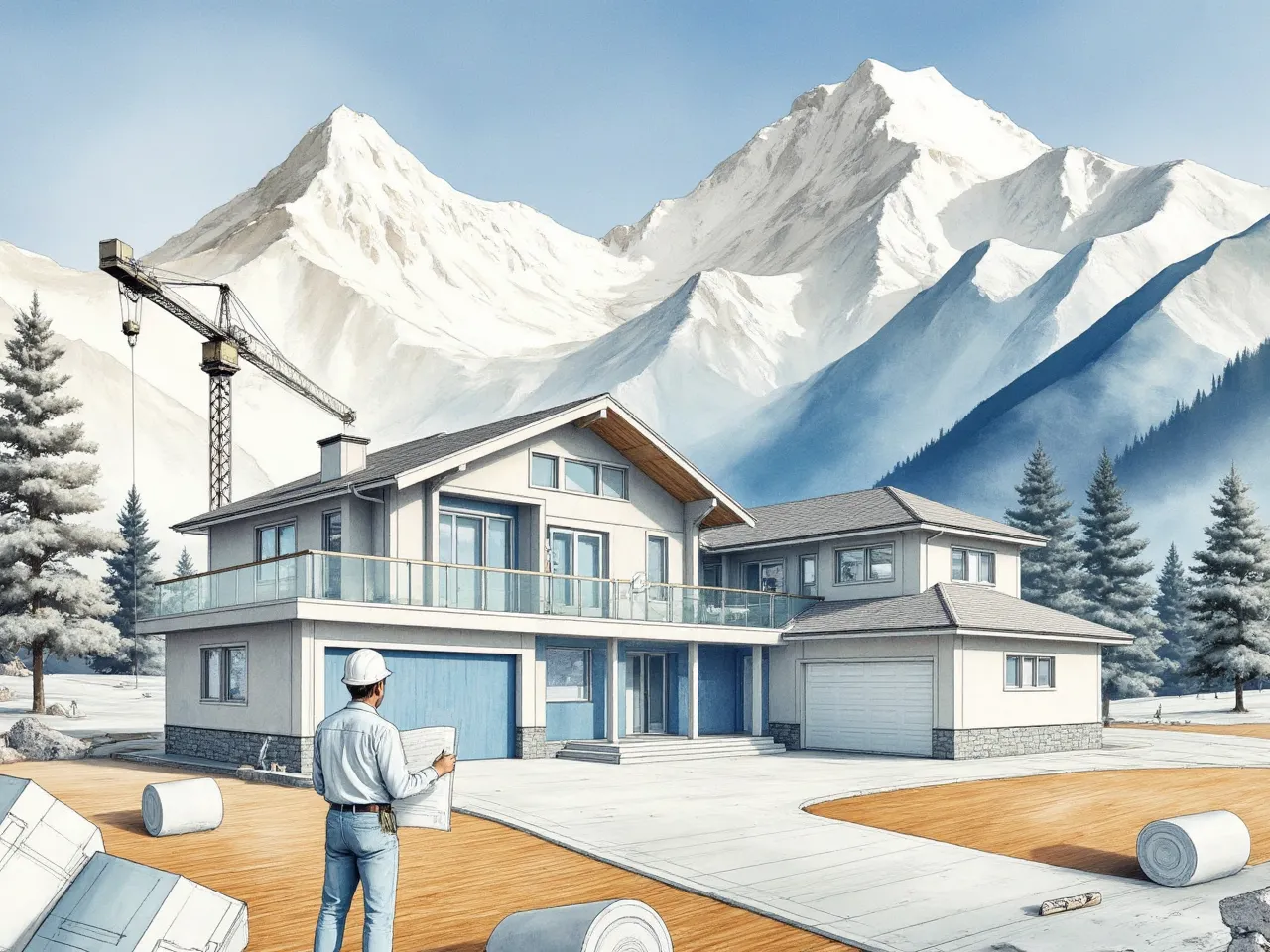
Building a luxury mountain home is a long, complex process that requires years of planning, permitting, and construction. Unlike suburban developments that can be completed quickly, mountain projects demand patience and careful execution. Developers in places like Telluride and Steamboat Springs know that rushing the process often leads to homes that look dated before the first owners move in – and can result in financial losses when market conditions change.
Spencer Levine, president of RAL Companies, has seen this firsthand. RAL is a 45-year-old development firm with experience ranging from Brooklyn luxury condos to Colorado resort properties. Levine says the projects that remain valuable through market cycles are those built with long-term quality in mind, not those that chase the latest design trends.
“We’re not interested in studio projects,” Levine says. “Our projects need to get executed.”
That approach is rooted in experience. When RAL opened a 400,000-square-foot hotel in Telluride in February 2009, during the financial crisis, the property succeeded because it was designed to last, not to capture a fleeting moment in style.
Timeless Design as Risk Management
For most buyers, design is about personal taste. For developers, it’s also about protecting against market risk. Projects that rely on trendy finishes or fashionable styles can quickly become outdated if the market turns before they sell, leaving developers with units that feel stale when buyers return.
“If the timing’s not right and you hit a cycle, you’ve still gotta be able to sell those condominiums when you come out of that cycle,” Levine says.
To avoid this, RAL avoids design choices that are tied to a specific year or fad. Instead, the company uses materials and layouts that remain appealing over decades: natural stone, warm woods, and understated lines. The goal is for a buyer touring a mountain townhome in 2027 not to recognize it as a product of 2024 immediately.
This approach isn’t about playing it safe. It’s about ensuring that the home remains attractive and marketable no matter how trends shift. Quality materials and classic layouts offer lasting value, especially in communities where buyers expect homes to age gracefully.
Why Mountain Developments Take Years
Buyers considering new-construction mountain homes often wonder why the process takes so long. The answer lies in the unique challenges of these locations.
The first year is dominated by paperwork. Developers must secure local zoning approvals, complete environmental reviews, and attend community meetings. In resort towns, residents often have strong opinions about new projects, and opposition can delay approvals for months.
The second year is when construction begins, but progress can be slow. Building in the mountains means dealing with unpredictable weather, remote sites, and a limited pool of specialized contractors. Foundations are more complex, as builders must contend with sloped lots and rocky ground.
By the third year, the project finally takes shape. Framing is completed, roofs are installed, and buyers can walk through the spaces. This is the stage when it becomes clear whether the project’s design and execution meet expectations.
“I walked the frame spaces last week for the first time, and it’s one of those projects that I don’t think reads well off of paper,” Levine says, referring to RAL’s Roan project in Steamboat Springs, which began construction in 2024 and will deliver its first homes in 2026.
What Buyers Should Ask Before Committing
If you’re considering buying in a new mountain development, it’s essential to do more than study the marketing materials. Ask about the project’s timeline and whether the developer has a history of delivering successful projects. An experienced developer can provide references, completed projects to visit, and a realistic construction schedule. Be cautious if someone claims they can give a luxury mountain home in 18 months; quality construction at altitude takes time.
Examine the materials being used. Are they real stone or manufactured veneers? Solid wood or laminate? Are the appliances high-end or standard builder-grade? These details affect both your enjoyment of the home and its resale value in the years ahead.
One detail buyers often overlook is the amenity building. In resort communities, the clubhouse or lodge usually becomes the social hub. If this element is treated as an afterthought, the entire development can feel incomplete.
At the Roan project, RAL is prioritizing the amenity building, delivering it first in early 2026 so buyers can experience the community’s character before moving in. While not standard practice, this signals the developer’s commitment to long-term value and resident experience.
The Takeaway: Quality Outlasts Trends
A mountain home that holds its value through changing markets isn’t about predicting the next big design trend. It’s about building with quality materials, timeless layouts, and a focus on durability. Developers who have weathered past downturns and still managed to sell their projects provide the best proof of what works.
“We’re developing projects to live with them,” Levine says. “There’s a lot of personal commitment and passion that goes into what we do.”
If you’re shopping for a new-construction mountain property, look for developers with a proven track record of completing projects through both strong and weak markets. That history is the best indication that your investment will stand the test of time.
This article provides general information about real estate development timelines and design considerations. It is not legal, financial, or investment advice. Every project and market is different; consult professionals before making purchase decisions.
Similar Articles
Explore similar articles from Our Team of Experts.

Industry Profiles, Market Analysis & Policy, Real Estate Investment, Industry News, Commercial Real Estate
The Phoenix industrial real estate market is undergoing a significant shift as investors re-enter the scene, motivated by stabilizing interest rates and appealing prospects in off-market tra...

Perspectives, Real Estate Investment, Industry News, Residential Real Estate, Market Analysis & Policy
The short-term rental market in Connecticut and Rhode Island offers significant opportunities for investors who carefully navigate local regulations, according to Robert Marucci, Owner of Be...

