
The high cost of housing in New York City continues to push buyers into the suburbs, redrawing the real estate map north of the city and creating new opportunities for agents who closely tra...

West Palm Beach Waterfront Market Surges as Ultra-Luxury Segment Drives Record Sales

Written by:
Date:
19 Feb 2026
Share via Facebook

Share via Linkedin

Share via X

Copy to clipboard

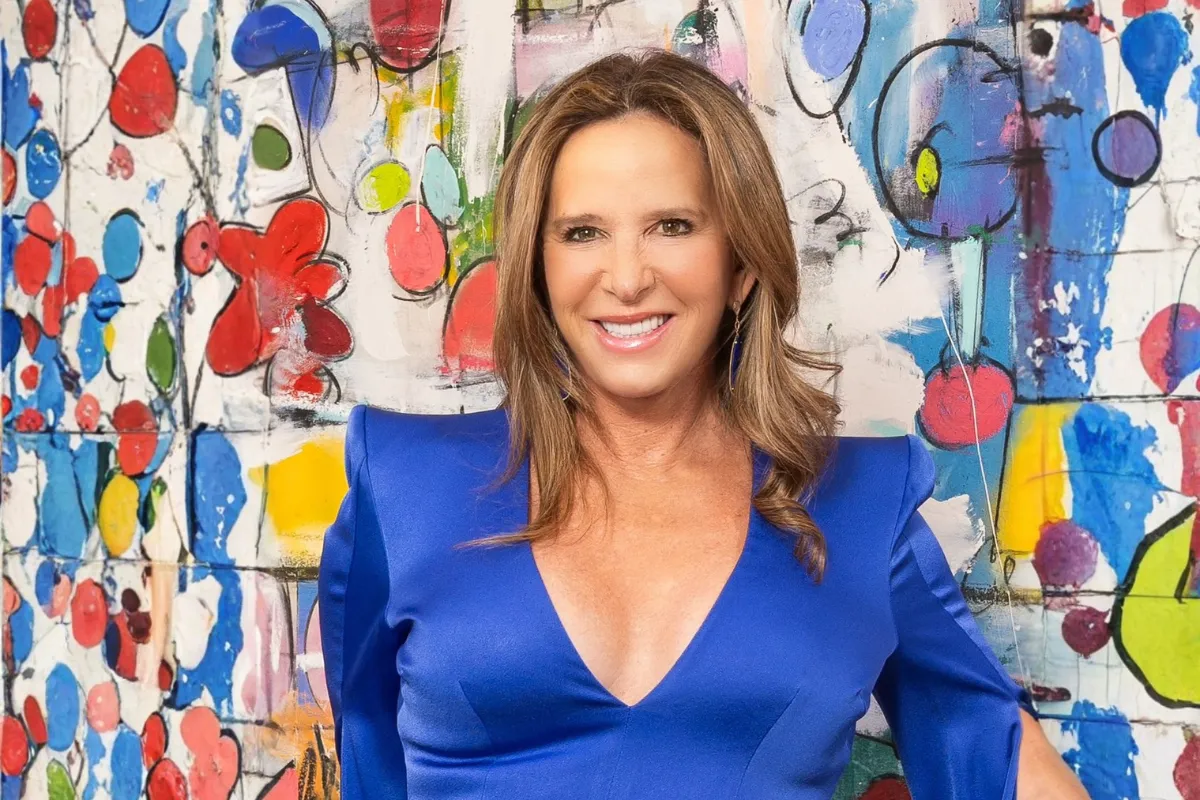
West Palm Beach’s ultra-luxury waterfront real estate market is experiencing its strongest momentum in more than a decade, with veteran agents reporting record-setting sales and heightened demand. This surge is part of a broader shift: high-net-worth buyers increasingly choose South Florida as a primary residence rather than a seasonal escape.
Hilary Musser, CEO of Hilary Musser Real Estate, has been in luxury home development since 1995, building high-end properties from Nantucket to Pennsylvania before focusing on South Florida. Her move into real estate brokerage was a strategic decision to gain early access to prime deals. Musser explains that becoming an agent allowed her to identify land opportunities before they reached the broader market.
A Multi-Disciplinary Edge
Musser’s background as a developer, interior designer, and broker provides a depth of expertise that sets her apart in the luxury segment. She says this combination allows her to accurately assess location, value, and construction quality on both new and older properties, insights that many traditional agents lack.
This expertise recently helped set a new sales benchmark for West Palm Beach. In October, Musser brokered the sale of a waterfront property, which she describes as the most expensive land sale in city history, despite the parcel being only partially on the water. The transaction underscores the premium buyers are placing on waterfront access, even for properties that lack full frontage.
Market Dynamics: Demand Remains Strong at the Top
While Musser characterizes the overall luxury market as balanced, her recent results point to robust underlying demand in the ultra-luxury segment. In the last three months alone, she sold three of her four listings, closing over $30 million in deals within 60 days. She describes this as the peak of her career to date.
Her clientele consists almost exclusively of buyers and sellers in the $5 million to $50 million range. Musser notes that first-time homebuyers are rare in her practice, and most clients expect a high level of service and market insight for properties at this level.
Cash Dominates Ultra-Luxury Transactions
A defining feature of the West Palm Beach ultra-luxury market is the prevalence of cash transactions. According to Musser, her clients rarely use financing, and mortgage contingencies are almost nonexistent in her deals. This reliance on cash insulates the segment from interest rate volatility and allows deals to proceed based on the property’s appeal and value, rather than lending conditions.
This dynamic has allowed the ultra-luxury segment to maintain momentum as other parts of the market slow amid higher borrowing costs. Sellers can transact quickly, and buyers can move decisively when the right property becomes available.
Waterfront Scarcity and Customization Fuel Premiums
Limited inventory is a defining factor in the waterfront and water-block markets. Musser notes that there are few true waterfront properties available, and even fewer that offer the quality and customization today’s buyers expect. This scarcity benefits sellers, particularly those with unique homes.
For example, Musser’s current $42.5 million listing is a 13,500-square-foot custom home with a second-story pool, Italian-sourced materials, and bespoke interiors by Poltrona Frau — the luxury firm known for outfitting Ferrari and Rolls-Royce. She emphasizes that there is no direct comparison for the property, underlining the value placed on one-of-a-kind features in this market segment.
Buyers at this level are seeking more than location; they want properties that reflect their personal tastes and offer amenities not found elsewhere. The willingness to pay a premium for customization and exclusivity continues to drive up values for the rarest listings.
Migration Patterns: West Palm Beach as a Year-Round Home
A core driver of the current market surge is the evolving buyer profile. Musser observes that West Palm Beach is no longer just a winter retreat for affluent families. Increasingly, buyers are choosing to relocate permanently, making the city their primary residence.
She notes that families are giving up summer homes elsewhere and settling in West Palm Beach year-round. This new wave of residents is supported by expanded amenities and infrastructure, such as the arrival of well-known New York restaurants and retailers.
The migration is not limited to one region; Musser reports significant inflows from California, New York, and the Midwest. Significant commercial developments, including high-profile projects from developers like Steve Ross, further reinforce the trend.
Growth Brings Infrastructure Challenges
The rapid influx of new residents has created both opportunities and pressure on local resources. Musser acknowledges concerns that infrastructure may lag behind population growth, potentially creating challenges in transportation, utilities, and public services.
Despite these issues, she describes the atmosphere as overwhelmingly positive. West Palm Beach is “humming,” with strong demand, ongoing development, and an active business community. She also notes that some buyers are choosing West Palm Beach over Palm Beach Island to avoid traffic congestion and security-related road closures, underscoring practical considerations in location decisions.
A Market Built on Durable Demand
Looking ahead, Musser remains confident that West Palm Beach’s ultra-luxury market will continue to outperform broader national trends. Unlike much of the U.S. housing market, where mortgage rates and inventory constraints shape buyer behavior, this segment operates on different fundamentals. A high concentration of cash buyers, a limited supply of truly distinctive waterfront properties, and a steady influx of affluent new residents create a market driven less by financing conditions and more by long-term wealth positioning and lifestyle priorities.
Several structural factors reinforce that strength: favorable tax conditions, South Florida’s rise as a business hub, and the city’s evolution into a year-round destination for high-net-worth individuals. With two decades of experience in the area, Musser sees these demographic and economic shifts as durable rather than cyclical.
Her advice reflects that conviction. Buyers, she argues, should prioritize prime waterfront assets whenever possible, noting their historical resilience even during downturns. “If you have the money, you should buy on the water as close to the water as you can,” she says. For sellers, she recommends taking early offers seriously, emphasizing flexibility and decisive negotiation in a fast-moving environment.
For investors and real estate professionals, West Palm Beach’s ultra-luxury segment stands increasingly apart, defined by genuine demand, scarce trophy properties, and long-term capital confidence. As the city continues to grow into its new scale, those positioned in premier waterfront real estate are likely to benefit from momentum rooted in lasting structural change rather than short-term market cycles.
Similar Articles
Explore similar articles from Our Team of Experts.