With nearly two decades at NAI Capital Commercial, Tim Steuernol has witnessed multiple market cycles in Los Angeles real estate. While his portfolio includes industrial, retail, and office properties, he’s found his primary focus in multi-family investment sales, which now represents about 90% of his business.
The current market presents a complex picture, particularly in the luxury segment. New developments built since 2020 are experiencing 13.1% vacancy rates, reflecting a disconnect between pre-construction projections and today’s reality. “A lot of these projects started a few years back before rates jumped up to where they are today,” Steuernol explains. “These developers have been hoping to hit their market rents and probably been reluctant to lease out units at lower than what their projections have been.”
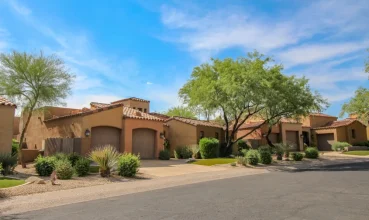
However, Steuernol sees enduring value in Los Angeles’s fundamentals, particularly in the South Bay region. A recent $15 million transaction he handled in Torrance illustrates the area’s appeal. The property, featuring townhome-style units with below-market rents, had been held in a family trust before attracting interest from a range of investors and ultimately selling to an institutional-level syndicator with long-term investment horizons.
“The South Bay is one of the greatest places to invest,” Steuernol notes. “You don’t have the same rent control restrictions in the South Bay that you do if you’re in the city of LA. Great schools, a lot of great businesses are in the area, close to the beach – it’s a very desirable place to live.” Beyond Torrance, he identifies Hawthorne, Gardena, and Long Beach as areas of interest.
The broader Los Angeles market benefits from persistent supply constraints. “The great thing about LA is that there’s not an oversupply of housing,” Steuernol observes. “There’s a limited amount of housing and that’s what makes investing here so attractive – there’s always a need for housing.” This dynamic, combined with high single-family home prices and elevated interest rates, continues to support rental demand.
Looking ahead in 2025, Steuernol anticipates increased transaction activity as the market adapts to current conditions. “I think everybody’s eager to transact,” he says. “We’re hoping to see more of a normalization of the market and just kind of a realization that we are where we are. We’re not in a 3% interest rate environment anymore, and I don’t think we’ll be there anytime soon.”
The shifting dynamics in Los Angeles’s single-family market also influence the multi-family landscape. “You’ve got to look at the single family housing market,” Steuernol points out. “The cost to buy homes in Los Angeles is generally very expensive. Interest rates are a lot higher than they were a few years back, and so it’s making affordability in the single family market less attainable.” This trend benefits apartment owners, as potential homebuyers remain in the rental market longer, typically providing stable, quality tenancy.
While market fundamentals remain his primary focus, Steuernol also notes the evolution of industry technology. Marketing platforms have become more sophisticated in targeting qualified investors, while new AI-driven underwriting tools are emerging to support investment analysis. These technological advances, combined with Los Angeles’s persistent housing shortage and strong employment base, suggest continued opportunities for well-positioned investors who can navigate the current market conditions.
Despite near-term challenges, Steuernol remains optimistic about the fundamentals driving the Los Angeles multi-family market. With significant capital waiting to be deployed and growing acceptance of the current interest rate environment, he sees potential for increased activity as investors adjust their expectations and return to the market.