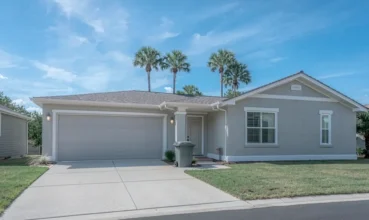
South Florida’s rental property market is increasingly being driven by global investors, not just U.S. buyers, according to a leading Miami property management firm. This surge in international capital is changing who is fueling Miami’s rental market growth and what property managers must do to compete.
For years, the prevailing view was that South Florida real estate investment was powered mainly by domestic buyers relocating from high-tax states such as New York and California. But Joseph Hunike, Chief Operating Officer of Threshold, says that is no longer the full story. International investors are now reaching out more frequently than domestic ones.
“We’re getting calls more internationally than we are domestically right now,” Hunike says. “We have customers from France, India, Korea, China, Turkey, all over the place, and Miami is a hot spot.”
International Investors: Beyond Trophy Properties
According to Hunike, Miami’s international investors are not simply acquiring luxury condos or vacation homes. Many are building serious rental portfolios and seeking professional property management for a variety of asset types. Threshold Management’s international clients include Turkish investors managing five-unit C-class properties, European buyers with single-family homes, and Asian capital going into multifamily buildings.
This investor diversity reflects Miami’s status as a global hub, not just a regional market. Unlike some U.S. cities where foreign investment concentrates in luxury real estate or commercial office towers, Miami is attracting international capital across the full spectrum of rental housing.
This trend brings operational challenges that domestic-focused property managers may not be prepared for. International investors work across multiple time zones, expect more frequent communication, and often lack the local market knowledge that U.S.-based investors have. For example, when a property owner in Turkey hasn’t received rent payments or updates in weeks, the physical distance turns minor issues into major concerns. Domestic investors, by contrast, can visit properties or meet managers in person if problems arise.
Why International Capital Targets Miami
Hunike says Miami’s appeal goes beyond its climate and lifestyle. “Florida is just a fantastic business state. You got lower taxes. It’s a good investment spot. Some people are going to consistently be moving to Miami and Fort Lauderdale areas,” he says.
The tax advantages that draw domestic investors from high-tax states also appeal to international buyers comparing Miami to other global cities. Investors in France or Korea are not just weighing Miami against New York or Los Angeles, but also against London, Singapore, and Dubai. In that context, Miami’s combination of tax efficiency, strong demographic growth, and relative affordability makes it attractive on a global scale.
International investment flows also tend to be more stable than domestic migration, which can fluctuate with political and economic cycles. International buyers are making long-term decisions about U.S. market exposure, not short-term moves based on state tax changes.
Domestic Migration Remains a Factor
While international investors are now more active in reaching out, Hunike notes that domestic capital from the Northeast continues to flow into South Florida. “We’re seeing people from New York, Connecticut, Rhode Island applying down here and signing leases with people from that area. We’re starting to see that already,” he says.
These domestic investors are typically experienced operators with existing portfolios in other states. “Some owners have units across the United States, but the bulk might have an average of 200 to 500 units. They have 30 down here, 200 up there in New York, whatever it is,” Hunike adds.
Multi-market operators bring a different set of expectations. They compare their South Florida property management experience directly to what they receive in places like New York or California. This forces local property managers to raise their standards to meet those expectations, or risk losing business to firms that can deliver.
Operational Impact for Property Managers
The rise of international ownership is forcing property management firms to adapt their operations. International clients expect more proactive communication, detailed financial reporting, and guidance through local market complexities. Domestic investors, by contrast, are often more familiar with U.S. real estate norms and require less support navigating the local landscape.
“Just having same-day communication, customers love that,” Hunike says, pointing out that some previous property managers would wait weeks before responding to international clients.
Serving international investors also means acting as a local market advisor. Overseas owners need advice on the best neighborhoods, the right property types based on local price trends, and how to handle Florida-specific issues such as high insurance costs and complex HOA rules.
Looking Ahead: A More Global Investment Story
Whether Miami’s influx of international investor inquiries is unique or part of a broader trend in other U.S. gateway cities remains to be seen. As more property managers report their client mix, the full picture will become clearer.
For now, the evidence from Miami suggests that South Florida’s real estate market is becoming increasingly global. International investors are no longer just a niche segment – they are now a driving force behind rental property growth, presenting both new opportunities and new challenges for local property managers. The narrative of South Florida real estate is shifting from a domestic migration story to one shaped by worldwide investment strategies.