Office buildings have become cold, institutional spaces that feel more like prisons than workplaces, according to Robert Hayman, Founder and CEO of Vibe Office Properties. His solution? Bringing the boutique hotel concept to commercial real estate.
The Problem with Traditional Office Space
“Too many buildings are beautiful but they all looked and felt the same,” Hayman says. “You go into one of the floors and there’s nothing on the wall. It’s like you’re walking through a prison.”
According to Hayman, this institutional approach ignores a fundamental reality about office workers: “You spend the best hours of your day, the meatiest, juiciest parts of your day” in these spaces. Yet traditional office design has prioritized efficiency and standardization over human comfort and inspiration.
Creating a New Office Experience
Hayman’s company takes a radically different approach, drawing inspiration from the boutique hotel revolution that transformed hospitality in the 1990s. “In 1998, some silly little Fisher company opens up in New York City called the W Hotel. From that point on, there have been over 6,000 hotels built – most of them boutique hotels,” Hayman notes.
Vibe properties feature distinctive elements like:
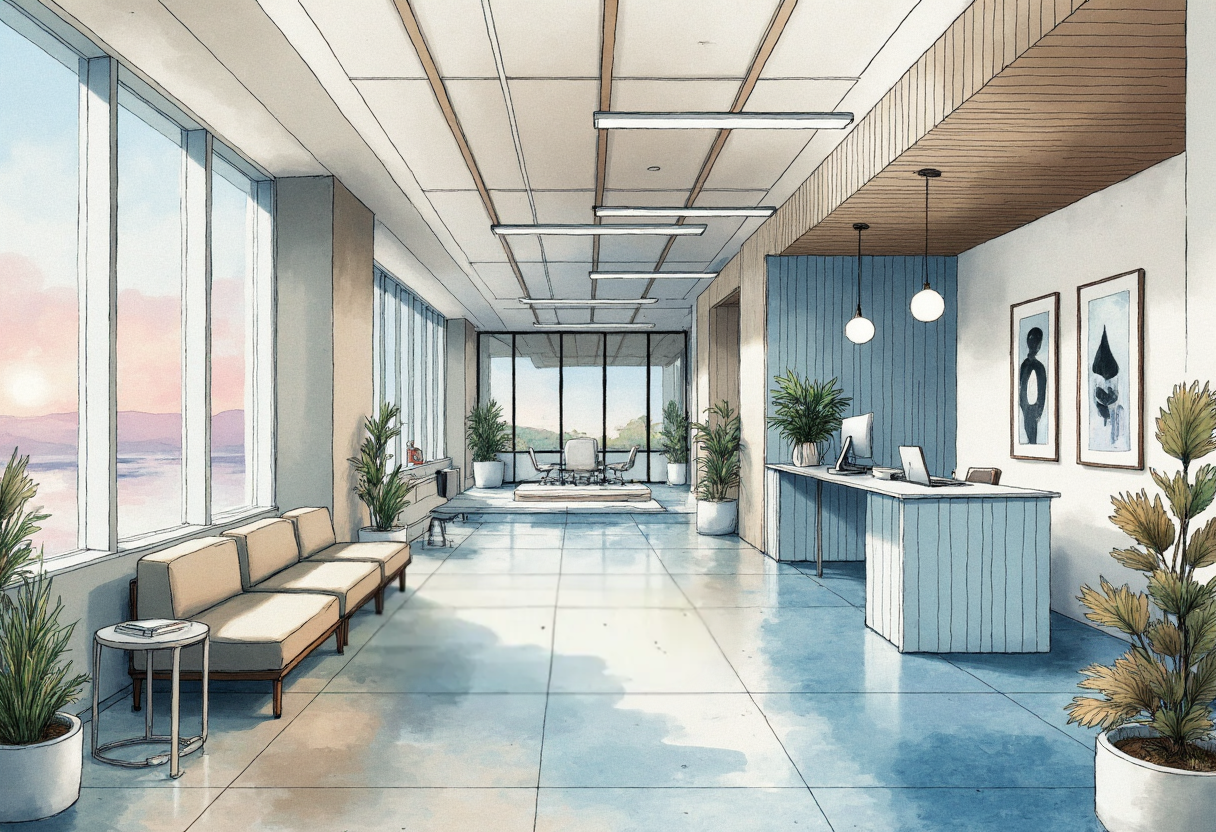
- Custom wallpaper and artwork that turns corridors into galleries
- Limestone flooring that adds sophistication without excessive cost
- Carefully designed lighting to create ambiance
- Extensive amenities including gyms, recreation rooms, and bicycle stations
The goal, Hayman says, is to replicate the feeling of coming home: “You know that feeling you have when you walk in, you’ve had a long day, you’re beat to hell, and you walk into the front door of your house – you’re like ‘ah.’ We want people to feel somewhat like that when they walk into their offices.”
Market Response
This human-centric approach appears to be resonating with tenants. According to Hayman, many of Vibe’s multi-tenant buildings maintained 100% occupancy even during the pandemic, an unusual achievement in a severely challenged office market.
The company aims to expand this concept across growing secondary markets, with plans to raise at least $100 million for their first fund. “We know what to do, we know how to do it, we know when to do it,” Hayman states, noting they’ve refined their formula through years of experience.
Looking Forward
While Hayman acknowledges the office market faces ongoing challenges, including regulatory pressures on lenders, he sees growing demand for spaces that prioritize human experience over institutional efficiency. The key, he argues, is creating environments where people “feel special, feel different, feel better,” a sharp contrast to the prison-like atmosphere of traditional office buildings.