National headlines suggest property insurance is collapsing everywhere. Coverage is shrinking, premiums are skyrocketing, and owners are getting squeezed. According to Andrew Kowalske, Chief Product Officer at Blitz Insurance, the picture is more specific. Most markets are moving in a direction that favors property owners right now.
Kowalske’s perspective comes from the excess and surplus market, the segment of the industry that covers properties standard insurers decline. Underwriters in this market see risk data across many states, which gives them an early view of where coverage is tightening and where it is loosening.
Soft Market Favors Owners
In insurance, a “soft market” means insurers are competing more aggressively for business. They lower premiums, broaden what they’ll cover, or both. Kowalske describes current conditions plainly: “You’re getting less premium for the coverage that you’re offering.” For property owners, this softening translates to either lower bills or more protection for the same price.
This softening has been underway for roughly 12 to 18 months. During that stretch, standard insurers (known in the industry as “admitted” carriers) have been willing to take on riskier properties they would have declined two years ago. “The admitted market has expanded their appetite quite a bit,” Kowalske says. Properties that once required expensive specialty coverage are flowing back into the standard market, where premiums tend to be lower and policy terms more favorable.
Pain Concentrated in California
The problem is geographic, not universal. Kowalske identifies California as the outlier where conditions remain difficult. The state’s regulatory environment imposes higher burdens on insurers when they file rates, and ongoing wildfire exposure keeps capacity tight. “Homeowners in California have gotten a lot harder to get insurance for,” Kowalske says.
That California-specific squeeze is real. But this squeeze does not describe what is happening in Texas, Ohio, Georgia, or most other states. Property owners in other states may assume their situation mirrors California’s. If so, they may budget too conservatively for a crisis that does not apply to them.
Coverage Terms Are Broadening
The coverage-quality question matters just as much as price. A cheaper policy that excludes key perils is not a win. Kowalske addresses this directly: “Terms are getting broader, not narrower in most areas.” For most property owners outside the hardest-hit zones, policies are covering more scenarios, not fewer.
This does not mean every property in every state is getting favorable treatment. Properties with poor claims histories, high catastrophe exposure, or unusual occupancy types still face tougher terms. Those factors push properties into the surplus market regardless of broader conditions. Kowalske notes that his firm sees properties with “tougher occupancies, more catastrophe exposed properties” and “worse loss histories, prior claims” landing in the specialty market.
Secondary Perils Still Worsening
One trend Kowalske flags as a real cost driver is severe convective storms (large-scale hail and wind events) in the Midwest and mountain regions. These secondary catastrophe perils have been “getting increasingly worse,” he says, causing rate increases in states like Illinois that do not make national headlines the way California wildfires do. Property owners in those regions are seeing higher premiums even as most other markets soften.
The distinction matters. A property in central Illinois facing hail-driven rate increases is experiencing a real cost increase. However, that increase is driven by a specific, localized peril, not a nationwide insurance collapse.
Impact on Commercial Owners
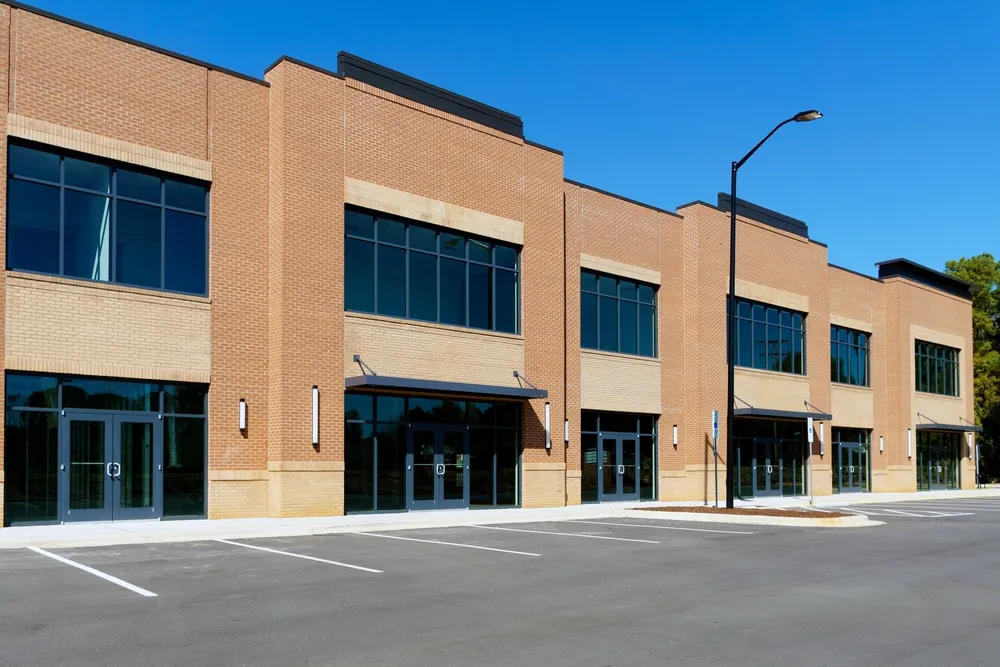
Kowalske’s firm writes policies with a maximum total insured value of $5 million per location, focused on small commercial properties such as strip malls, retail stores, restaurants, and warehouses. Even at that scale, the softening is visible. Risks that would have required surplus-market placement two years ago are now being covered by admitted carriers.
For small commercial property owners, the practical result is more competition among insurers for their business. That competition tends to produce lower premiums and broader coverage terms. Kowalske says these conditions have characterized the market for more than a year, with no immediate signs of reversing based on recent catastrophe loss trends.
About the Expert: Andrew Kowalske is Chief Product Officer at Blitz Insurance, a company underwriting commercial property risks with a maximum total insured value of $5 million per location.
This article is intended for informational purposes only and does not constitute legal, financial, or investment advice. The views and opinions expressed herein reflect those of the individuals quoted and do not represent an endorsement of any company, product, or service mentioned. Readers should conduct their own due diligence and consult qualified professionals before making any investment decisions.