Dearborn, Michigan is taking an unprecedented stance in industrial development by explicitly rejecting traditional logistics and manufacturing operations in favor of green technology, according to Angela Forino, the Deputy Director of Economic Development at City of Dearborn.
“We do not want more trucking. We don’t want to increase emissions,” Fortino states, citing some of the highest asthma rates in Michigan as motivation for the city’s firm position. “We have taken a very hard stance.”
The Health-First Development Approach
The city has implemented a “health in all policies” framework that influences everything from building codes to land use decisions. This comprehensive approach represents a significant departure from traditional economic development strategies that often prioritize job creation and tax base expansion over environmental impacts.
“Public health influences everything from our building code to our land use to the types of programs we host, to how we interact with the public and the services we provide,” Fortino explains. This health-centered philosophy has become the foundation for Dearborn’s development strategy, guiding both policy decisions and community engagement.
The city has translated this approach into tangible measures: rejecting proposals from logistics companies, creating green buffer zones, acquiring former industrial properties, and investing in soil remediation. Together, these initiatives reflect a broader effort to prioritize resident well-being while reshaping the city’s economic and development trajectory.
Strategic Property Acquisition and Conversion
Rather than letting market forces dictate the evolution of former industrial sites, Dearborn is taking an active role in reshaping its industrial landscape. “The city is actually purchasing [former industrial buildings] to convert clean the soil, do some remediation, and then create a green buffer,” Fortino says.
The Future of Industrial Development
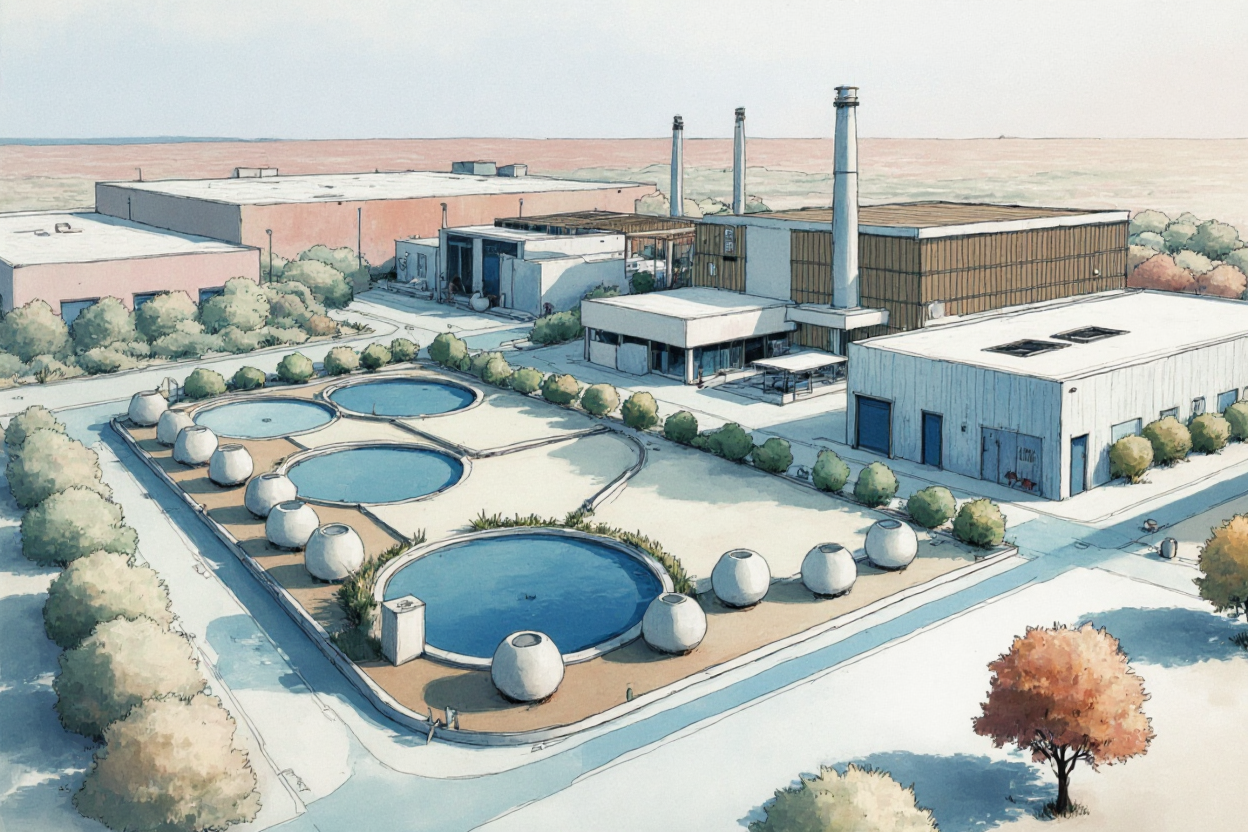
While the city’s stance might seem restrictive, Fortino argues it’s actually about being selective. “What we do welcome are those green technologies. So we’ll say no to a logistics company, but to clean manufacturing facility, we’ll talk,” she explains.
This selective approach appears to be part of a longer-term strategy to transform Dearborn’s industrial footprint. According to Fortino, it’s about “being confident in knowing what you want and what you don’t want, and then the right things will be attracted.”