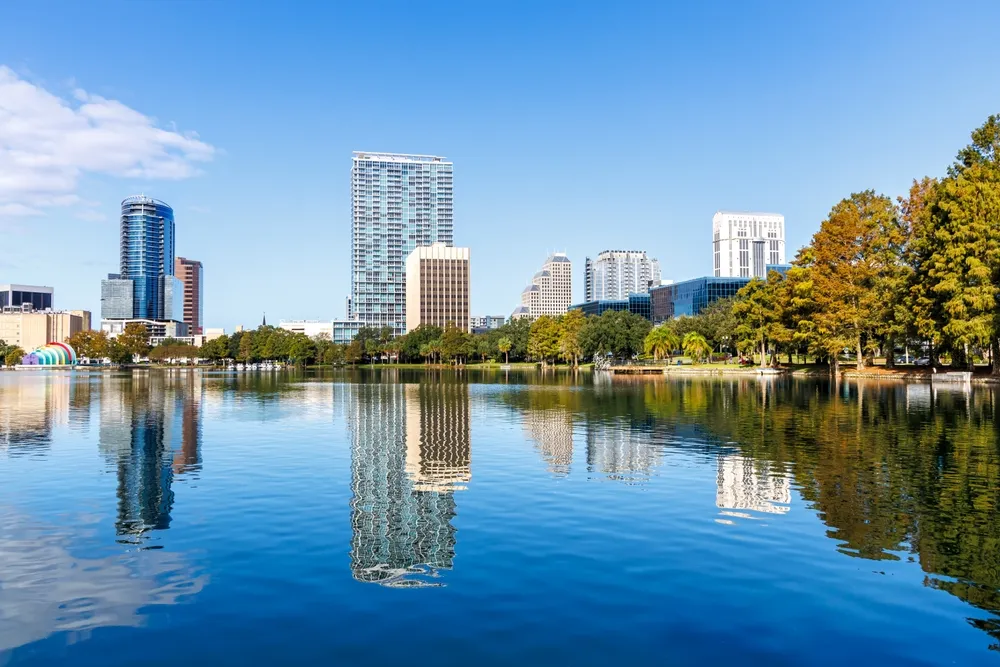
Most people thinking about Orlando real estate are focused on the suburbs, the master-planned communities, the new construction corridors, the areas that boomed when remote workers flooded in from the Northeast. Downtown Orlando has largely been left out of that conversation. The urban core has struggled, and investors have been reluctant to commit capital to an area without a clear signal of what it is becoming. That hesitation may be ending.
Two specific projects – one publicly funded, one private – are now advancing in the Paramore District and the broader downtown core. Together, they represent the kind of coordinated public-private investment that tends to precede measurable increases in property values in urban neighborhoods. For buyers and investors willing to act before construction is complete, the current pricing reflects the area’s present condition rather than its projected trajectory.
Abby Green, a real estate advisor with iad Florida LLC who works across the Orlando metro and Seminole County, has been closely tracking both projects.
A City-Led Homebuyer Program in Paramore
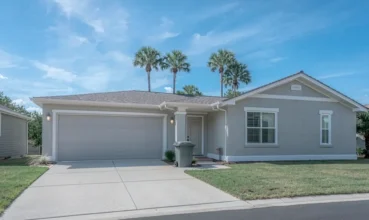
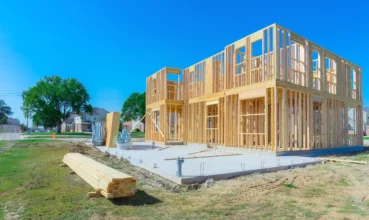
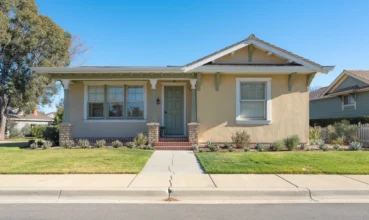
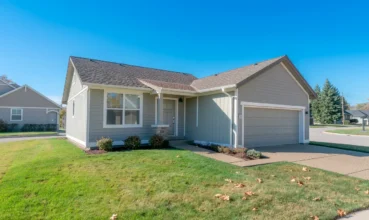
The City of Orlando recently released eight lots in the Paramore District as part of a first-time homebuyer initiative. The city is building new construction homes with an appraised value of approximately $350,000 and offering them to qualifying buyers for $225,000 with $1,000 down. The program includes a gap between appraised value and purchase price to attract buyers and accelerate neighborhood investment.
For buyers who qualify, the numbers stand on their own terms regardless of any broader investment thesis. A purchase price of $225,000 for a home appraised at $350,000 represents immediate equity at closing, a structure that is rare in any market and particularly notable in an Orlando market where affordability has tightened sharply. Availability is limited to the eight lots the city has released in this phase.
Green notes that people who bought in the Paramore area a decade ago, when prices were low and the neighborhood was overlooked, are now sitting on properties whose values she expects to climb as these projects take hold. The city’s initiative is one piece of that story. The second is larger.
A Mixed-Use Anchor Development
The scale of planned private investment in the same area adds a second layer to the opportunity. The West Court project, a planned 8.43-acre mixed-use development adjacent to the Kia Center – Orlando’s main concert and sports venue – is set to bring office space, retail, a hotel, apartments, event space, a festival plaza, and structured parking to the Paramore District. That kind of anchor development, combining residential density with entertainment and commercial activity, is the type of investment that has historically driven up surrounding property values.
Separately, the city is moving forward on a streetscape and urban redesign project for the Church Street and Washington Avenue corridor, now called the Canopy, with construction expected to begin in summer 2026. Green describes it as a move away from the nightlife-centered identity downtown Orlando carried for years, toward walkability and daytime use: bike paths, event spaces, gathering areas, rideshare access, and retail. The design intent is daytime activation rather than late-night traffic.
Risks and Timing
Urban redevelopment timelines are notoriously difficult to predict, and projects of this scale carry execution risk. A stalled mixed-use development, a city initiative that loses funding, or a broader economic slowdown could delay or diminish the impact. Buyers and investors considering the Paramore area should treat the timeline as uncertain and size their exposure accordingly.
Green is candid that downtown Orlando’s current condition is not a selling point. The area has declined, and investors have been sitting on the sidelines precisely because the path forward wasn’t clear. She is recommending the area to investors based on the convergence of public and private capital, not presenting it as a guaranteed outcome.
The broader argument here is that Orlando’s next opportunity may not be in the suburban corridors that already appreciated during the pandemic-era boom. It may be in a downtown that is being deliberately rebuilt, with public money and private development converging in the same small geography at the same time. Whether that convergence delivers on its promise depends on execution, funding continuity, and broader economic conditions, but for those willing to accept uncertainty, the entry price reflects a neighborhood that hasn’t yet priced in what’s coming.
About the Expert: Abby Green is a real estate advisor with iad Florida LLC, working in the Orlando area for over a decade.
This article is intended for informational purposes only and does not constitute legal, financial, or investment advice. The views and opinions expressed herein reflect those of the individuals quoted and do not represent an endorsement of any company, product, or service mentioned. Readers should conduct their own due diligence and consult qualified professionals before making any investment decisions.