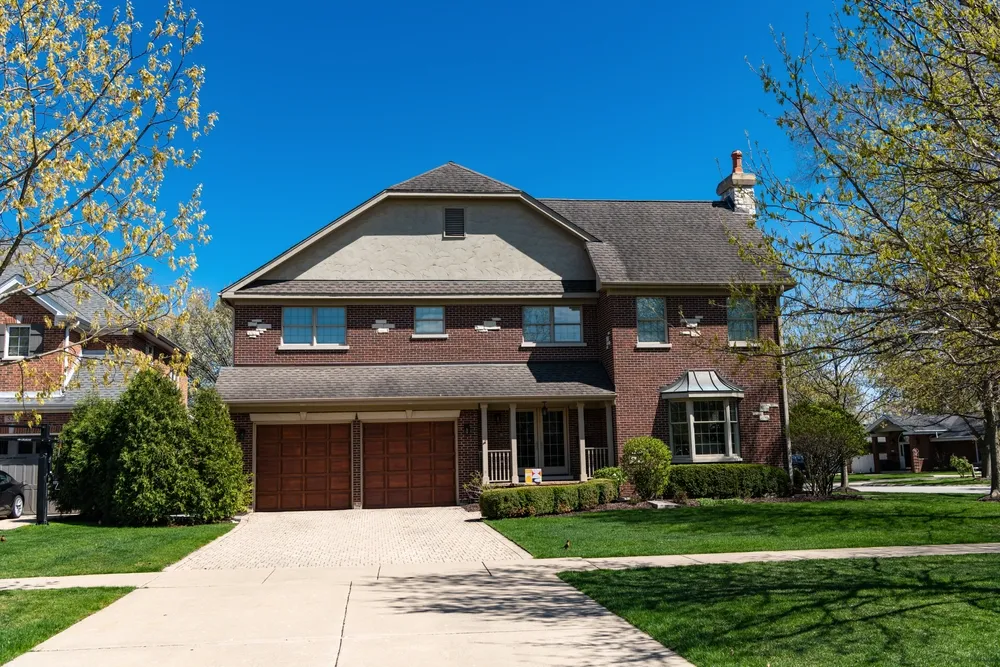
Rising inventory usually signals a cooling market. In the Minneapolis–St. Paul metro, it signals something else: more people choosing to move at the same time. The Twin Cities are carrying their highest housing inventory since 2018 or 2019, yet transaction volume has risen in step – producing a busy market with more options rather than a stalled one weighed down by unsold listings.
The distinction matters for buyers and sellers trying to read the market correctly. According to Bryan Vant Hof, a Realtor with RE/MAX Advantage Plus in the Twin Cities, single-family homes still carry less than a month and a half of supply. Townhomes sit at roughly two months. Only condos, at four to five months, approach what most analysts would call balanced territory. Vant Hof says 2026 has been his busiest year since 2022.
Buyers Have Leverage
One of the more common misreadings of the current market, according to Vant Hof, is that buyers assume they hold more negotiating power than the data supports. National headlines about price drops in Florida, Arizona, and parts of Texas create expectations that don’t map onto Minnesota’s pricing behavior.
“People look at national news, and they look at Florida, and they look at some other states that are seeing some pretty significant price drops, and they think that that’s happening in Minnesota as well,” he says. “Minnesota is about as average as things get. We don’t have a lot of highs, we don’t have a lot of lows.”
The practical range of buyer leverage in the current market is narrow: roughly 1 to 3% below list price, or up to 3% in seller-paid closing costs or repair concessions. Properties that would have drawn two to three offers a few months ago are now seeing one buyer, and homes that would have sold within a weekend are taking two to four weeks. But sellers aren’t desperate, and deep discounts aren’t materializing.
For sellers, Vant Hof says the coaching conversation has shifted. If a home doesn’t sell on the first weekend, sellers should expect to negotiate somewhere in that 1 to 3% range rather than holding firm on list price.
The Seasonal Window That Repeat Buyers Know About
The Twin Cities market follows a consistent seasonal pattern: spring favors sellers, and August through January tilts toward buyers. Vant Hof says he coaches his buyers to act during this window when competition thins out.
“If you’re looking to be a buyer and you want to have less competition, possibly negotiate, you should be looking to buy now,” he says. He reports a growing number of clients acting on that advice, aiming to close before Thanksgiving rather than waiting for spring.
Why the Outer Suburbs Are Drawing Activity
The price band seeing the most action is $400,000 to $600,000, concentrated in what Vant Hof describes as “third ring suburbs” – areas farther from the Minneapolis–St. Paul urban core where newer housing stock is available.
The driver isn’t simply price. With more inventory to choose from, buyers have become more selective about condition. They don’t want renovation projects. They want move-in-ready homes that don’t require kitchen or bathroom updates. Newer suburban construction meets that preference at a price that urban core homes often can’t match without significant work.
“Buyers can be a little bit more picky than they were in years past,” Vant Hof says. “That’s part of the reason why they’re moving out to these outer ring suburbs now, because they can find newer houses at a good price that are move-in ready.”
Days on Market Have Risen – But Not Dramatically
The increased inventory has pushed days on market higher, though the shift is modest. For single-family homes, average days on market rose from about 10 to 14 – a measurable increase but not a sign of stagnation. Townhomes are averaging 20 to 30 days, and condos 40 to 50 days.
Showings per listing have also declined compared to last year, which Vant Hof attributes partly to buyers having more options – they don’t need to tour as many homes to find one that fits. The result is fewer multiple-offer situations, which reinforces the slight shift in leverage toward buyers without tipping the market into oversupply.
Interest Rates Aren’t Slowing Demand the Way Expected
Buyer activity has persisted despite mortgage rates at their highest levels in over a year. Vant Hof says he expected 6.75% rates to produce a more visible pullback in demand, but it hasn’t materialized.
After nearly three years of elevated rates, buyers appear to have absorbed the new baseline. The prevailing strategy, according to Vant Hof, is straightforward: buy now and refinance later if rates decline. Meanwhile, prices haven’t risen sharply year over year, which has kept affordability from deteriorating further even as borrowing costs remain elevated.
The NAR Settlement in Practice
Vant Hof says the commission rule changes from the NAR settlement have played out more smoothly than anticipated. In his experience, 100% of transactions now use seller-paid compensation written directly into the purchase agreement – a shift from the pre-2024 structure of broker-to-broker payments. He has not encountered a situation where his buyers had to pay him separately from the purchase price.
The practical effect, he says, is greater transparency: sellers now see exactly what they’re paying their listing agent and exactly what they’re paying the buyer’s agent, with both figures spelled out in the purchase agreement rather than handled between brokerages.
What Could Shift the Market
Looking ahead, Vant Hof ties the next potential acceleration to energy costs and geopolitical resolution. If oil prices decline and inflation eases, he estimates the market could see prices rise 2 to 3% and showings per listing increase by 25%. “For me, it all revolves around getting inflation and energy costs back down to where they were before February,” he says.
Until those conditions change, the Twin Cities market remains in a middle ground – active enough that sellers aren’t stuck, flexible enough that buyers can negotiate modestly, and stable enough that neither side faces the kind of volatility reshaping markets in other states.
About the Expert: Bryan Vant Hof is a Realtor with RE/MAX Advantage Plus, serving the Minneapolis–St. Paul metro market in Minnesota.
This article is based on information provided by the expert source cited above. It is intended for general informational purposes only and does not constitute legal, financial, or real estate advice. Readers should conduct their own research and consult qualified professionals before making any real estate or financial decisions.