
Sterling Heights’ city planning chief says data shows massive parking overbuilding, opening door for retail and residential conversion Jake Parcell, City Planner and Development Manage...

Three Texas Real Estate Trends Every Buyer and Seller Should Understand

Written by:
Date:
19 Feb 2026
Share via Facebook

Share via Linkedin

Share via X

Copy to clipboard

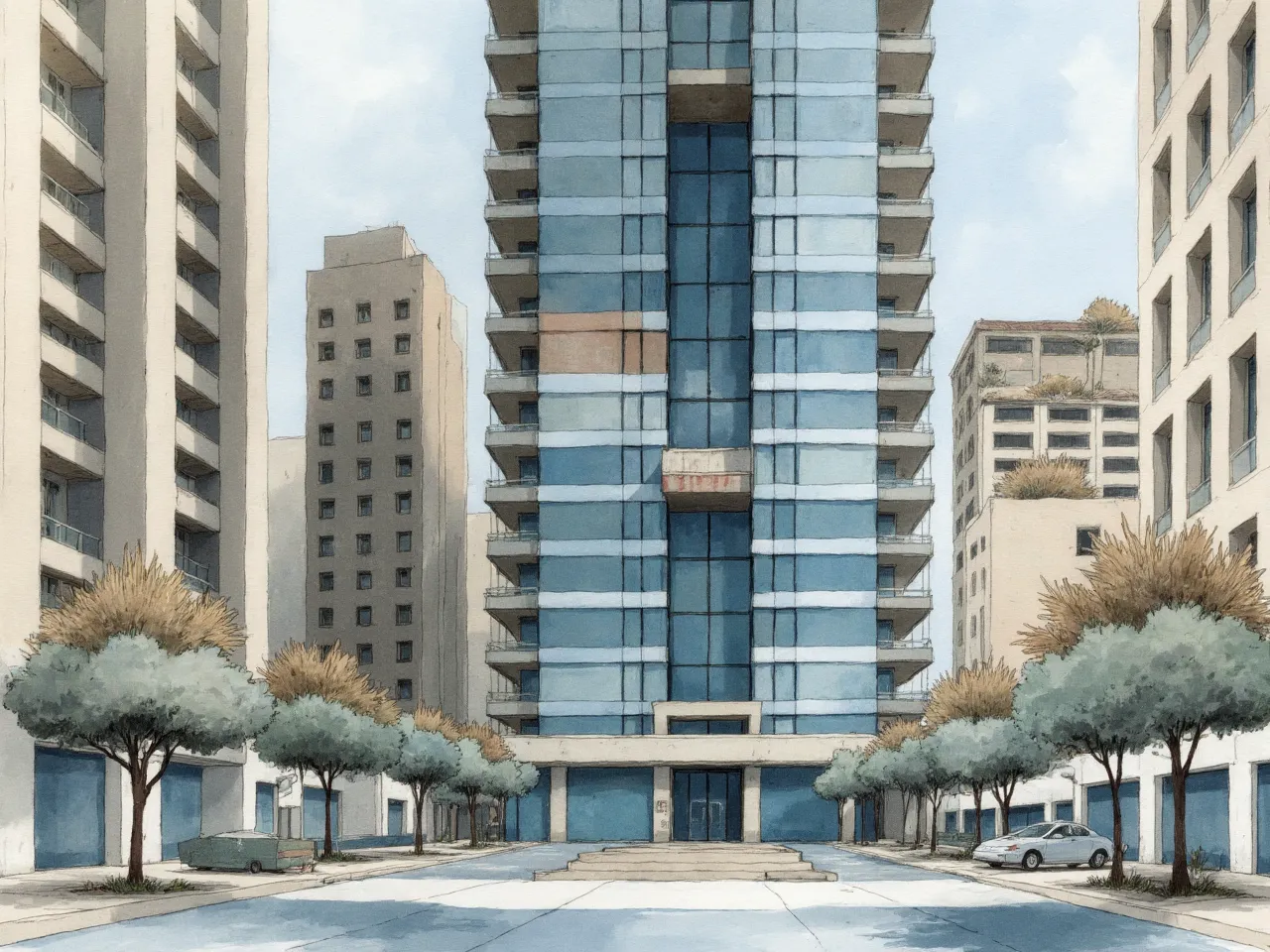
Anyone considering buying or selling property in Texas is entering a market that looks very different from how it did just a few years ago. Downtown office towers in Houston are sitting vacant and being considered for apartment conversions, large-scale data center projects are driving up demand for land near power infrastructure in Houston and Dallas, and Austin’s once-soaring home prices are cooling as corporate relocations slow. Together, these shifts are reshaping where property values are rising, where buyers have more negotiating power, and where sellers may need to adjust expectations.
1. Downtown Office Buildings Are Emptying – and Some Are Becoming Apartments
Downtown Houston looks very different from how it did just a few years ago. Office towers that once housed energy companies and corporate headquarters now sit largely vacant, changing the feel — and the future — of the city’s urban core.
For homebuyers and sellers, that shift could eventually create new housing options. Some owners are exploring converting empty office buildings into apartments or mixed-use developments, which could add inventory and bring more residents back downtown. But these projects require major renovations, new permits, and significant capital, meaning progress is slow and far from guaranteed.
“Downtown Houston was tanking,” says Sergio Grado of GradCo Distributors, LLC, a Houston-based business development consultant who has worked with building owners in the area. “There were office buildings that were totally vacant.”
In the near term, the uncertainty makes downtown a more complicated bet. Buyers may find opportunities if prices adjust or new residential units come online, but they should also weigh the risks of investing in an area still searching for its next chapter. Sellers, meanwhile, may need to be realistic about pricing until a clearer recovery takes shape.
2. Data Centers Are Reshaping Where Growth Is Happening
While downtown office buildings struggle, a different kind of development is gaining momentum across Texas: data centers. As demand for cloud computing and artificial intelligence grows, large facilities are being built near major power sources, fiber-optic lines, and highway corridors — particularly around Houston and Dallas.
For buyers and sellers, this shift matters because it is changing which areas are becoming more valuable. Land that was once considered secondary — especially parcels near substations, transmission lines, and transportation routes — is seeing increased demand. As a result, nearby neighborhoods may experience rising land prices and new development activity.
However, the growth also comes with tradeoffs. Data centers are massive, energy-intensive facilities that can alter the character of surrounding areas. Construction traffic, increased strain on local power grids, and the presence of large industrial buildings are factors residents may need to consider.
For homeowners near these emerging corridors, the upside could be stronger property values as economic activity expands. But for buyers evaluating a neighborhood, it is increasingly important to understand not just the home itself, but what types of infrastructure projects may be planned nearby.
3. Austin’s Market Is Resetting After Years of Bidding Wars
Austin became one of the fastest-growing and most competitive housing markets in the country during the pandemic, fueled by tech relocations, remote work, and investor demand. At its peak, homes routinely sold above asking price within days, and buyers often waived contingencies just to compete.
That dynamic has shifted. Listings are sitting longer, price reductions are more common, and buyers have regained negotiating power. According to Sergio Grado, several major corporations have scaled back or relocated, easing the intense demand that once drove rapid price escalation. “There’s been kind of an exodus of major corporations leaving Austin,” Grado notes. “Home prices that were considered astronomical are now coming down to be a little bit more reasonable.”
Austin matters because it was one of the most overheated markets in Texas — and in the country. When a market that extreme begins to cool, its reset is instructive. It shows how quickly conditions can change when corporate demand and investor activity slow. For buyers, that means fewer bidding wars and more room to negotiate on price, repairs, or closing costs. For sellers, it means the strategy that worked in 2021 or 2022 — listing high and expecting multiple offers — may no longer apply. Pricing correctly from the start and preparing homes carefully for the market are now far more important.
Austin isn’t collapsing, but it is normalizing — and its trajectory offers an early signal of how other high-growth markets could behave if demand continues to moderate.
What to Watch
The direction of Texas real estate over the next year will likely hinge on how these shifts play out. If data center construction continues expanding, expect stronger competition for land near major infrastructure in the suburbs of Houston and Dallas. That could push up prices in specific corridors and reshape where new housing and commercial development cluster.
Downtown Houston’s future will depend on whether office-to-residential conversions prove financially viable. A few successful projects could trigger broader redevelopment and attract residents back to the urban core. If conversions stall, however, downtown property values may remain under pressure.
Austin will be a key market to watch. If corporate departures continue, home prices could soften further, and inventory could rise. If new companies move in or hiring rebounds, the market could stabilize more quickly than expected. Because Austin expanded so rapidly during the boom years, even small shifts in corporate demand could have outsized effects on pricing and negotiating power.
For buyers and sellers, the next phase of Texas real estate will likely be defined by divergence. Some areas may see renewed growth and competition, while others continue adjusting to post-pandemic realities. The key will be tracking local economic signals — especially corporate moves and infrastructure investment — rather than assuming the entire state is moving in the same direction.
This article provides an overview of current real estate trends in Texas and is not intended as legal, financial, or investment advice. All information and quotes are sourced from Sergio Grado, a business development consultant based in Houston.
Similar Articles
Explore similar articles from Our Team of Experts.


Real Estate Investment, Commercial Real Estate, Industry News, Market Analysis & Policy, Perspectives
Chicago’s real estate market is experiencing an unexpected renaissance led by local investors, while international capital remains notably absent, according to a leading market expert....


From Military Housing to Boutique Hospitality: How Blake Dailey Built a $25 Million Resort Portfolio
The boutique hotel industry is undergoing rapid change as more travelers seek distinctive, experience-driven stays instead of standardized accommodations. Blake Dailey, CEO and founder of St...

