

The Natural Advantage: Summer House's Path to Premium Development


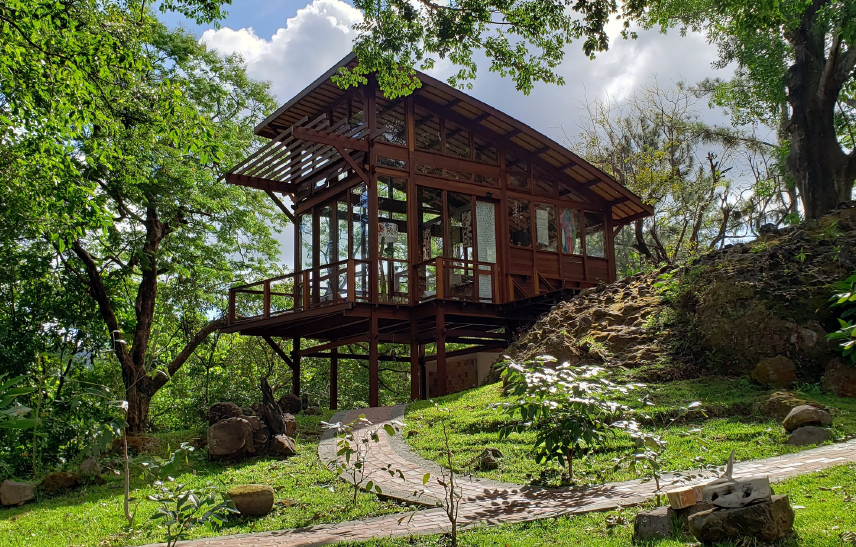
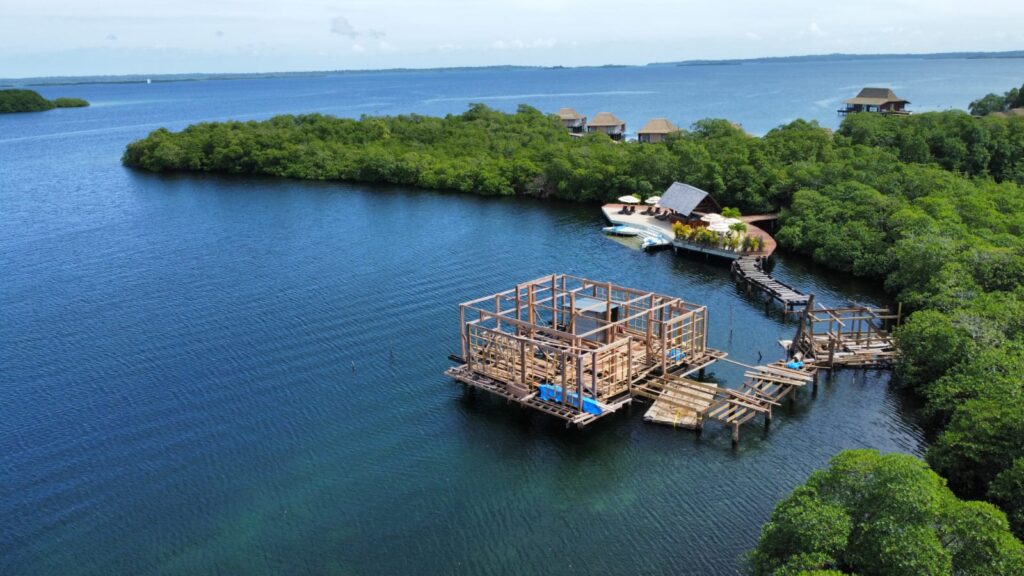
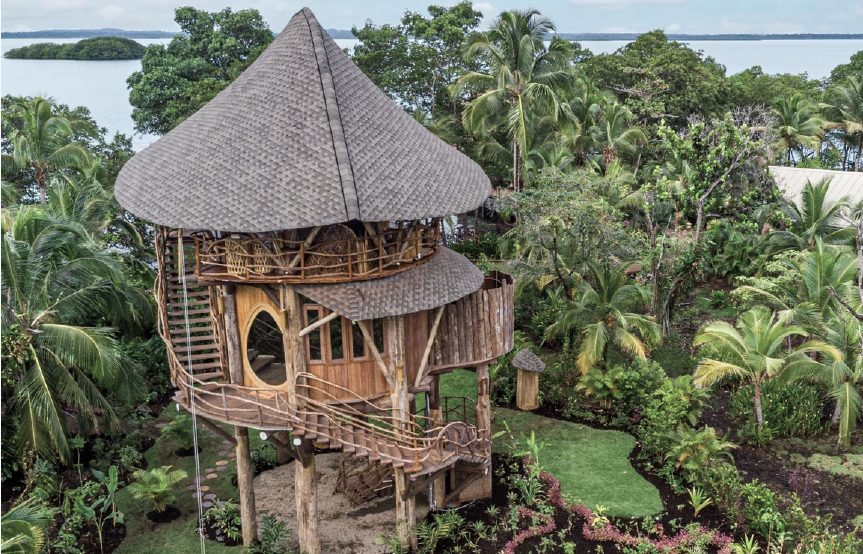
In an era when environmental consciousness often feels like a marketing exercise, Rodney Mendez and Summer House are proving that authentic ecological development can command a premium in the luxury market. Their portfolio, spanning from overwater villas in Panama’s mangroves to mountaintop retreats in Costa Rica, demonstrates how innovative construction methods can harmonize with nature while creating exceptional value.
The journey to this innovative approach began with an unexpected pivot. After founding a successful plastics manufacturing venture, Mendez recognized an opportunity in eco-conscious development. His transition led to a fundamental rethinking of construction in sensitive environments. “An island is a very pristine, very delicate environment,” Mendez explains. “I like to build in a way that, over a very long time, whatever you build is going to turn back into nature without having an impact.” This philosophy now underpins every aspect of Summer House’s development model.
While conventional coastal developers often grapple with environmental regulations, Summer House has engineered solutions that sidestep these challenges entirely. Their material selection focuses on naturally durable resources like Greenheart wood from Guyana, which offers century-long durability in marine environments without chemical treatments. This choice not only satisfies environmental requirements but eliminates significant maintenance costs. Similarly, their innovative use of reclaimed hardwoods from Panamanian lake beds creates premium finishes while avoiding traditional supply chain constraints and their associated costs.
The construction methodology further distinguishes their approach. Through a system combining mainland prefabrication with specialized marine assembly techniques, Summer House has reduced both environmental impact and development timelines. Their floating platform system enables foundation work in waters up to 18 feet deep without extensive permits or site preparation, transforming previously unbuildable locations into viable luxury properties while significantly reducing typical marine construction risks.
“Everybody wants to sell you sustainability and green projects,” Mendez observes, “but most of those projects are basically the same with some more greenery. Truly sustainable construction has to come from the basics.” This commitment to authentic sustainability has attracted a distinctive clientele. Within the ultra-luxury market, Summer House operates through a carefully cultivated network of specialized architects and builders—what Mendez calls a “tribe”—growing primarily through reputation and word-of-mouth referrals.
Their market position has proven particularly appealing to technology executives, entrepreneurs, and location-independent professionals seeking to combine luxury with environmental consciousness. These clients, often younger tech industry professionals who have achieved early success, value the ability to work remotely while embracing sustainable living. The developments integrate high-speed connectivity and modern amenities with their natural surroundings, creating environments that support both productivity and wellness.
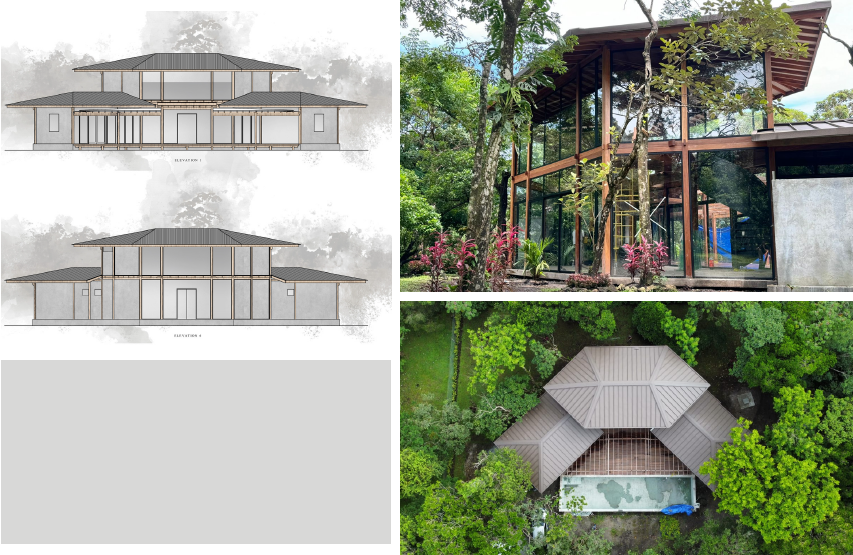
The wellness aspect has emerged as a key market differentiator, with developments incorporating dedicated spaces for retreat activities and health-focused amenities. This focus addresses growing demand among luxury buyers for properties that support holistic lifestyle choices. Major hospitality brands have taken notice, seeing in Summer House’s model a path to differentiation in the competitive resort sector.
Summer House’s expansion across Panama, Costa Rica, and the Dominican Republic validates both their construction approach and market strategy. Their projects consistently achieve premium pricing while maintaining lower capital requirements than traditional luxury developments. The reduced permitting complexity, streamlined construction methods, and innovative material selection contribute to favorable development economics.
For developers and investors, Summer House’s model represents more than an alternative approach—it offers a blueprint for accessing an expanding market segment while reducing traditional development risks and costs. Their success demonstrates how authentic ecological development can create compelling returns while preserving the natural environments that make these locations extraordinary.
Similar Articles
Explore similar articles from Our Team of Experts.
In Warminster, a middle Bucks County township where many homes date to the 1950s and 1960s, a split has opened between properties that are move-in ready and those that need work. According to Tracey Hill, a 20-year real estate veteran who recently opened an office for Innovate Real Estate in Bethlehem, Pennsylvania, 54% of homes ...
The narrative forming around North Jersey’s rental market is that it’s softening. By at least one measure, that’s accurate: leasing teams are working harder, showing more units, fielding more inquiries per signed lease, and spending significantly more on marketing than they did three years ago. But the actual rents tenants are paying have held up ...
Compliance has become the defining pressure in UK facilities management, and confidence in meeting it is falling. In SFG20’s State of Facilities Management 2026 Report, a survey of nearly 200 built-environment professionals found that 72% named improving compliance and safety as their top priority. Only 54% were confident their organization could achieve it, a nine-point ...
The conventional assumption is that downsizing seniors and young families shop in different price tiers. In Doylestown, Pennsylvania – the commercial center of Bucks County – those two groups are increasingly circling the same listings, according to Deana Corrigan of The Deana Corrigan Team at Compass. The competition is reshaping how homes get priced, how ...

