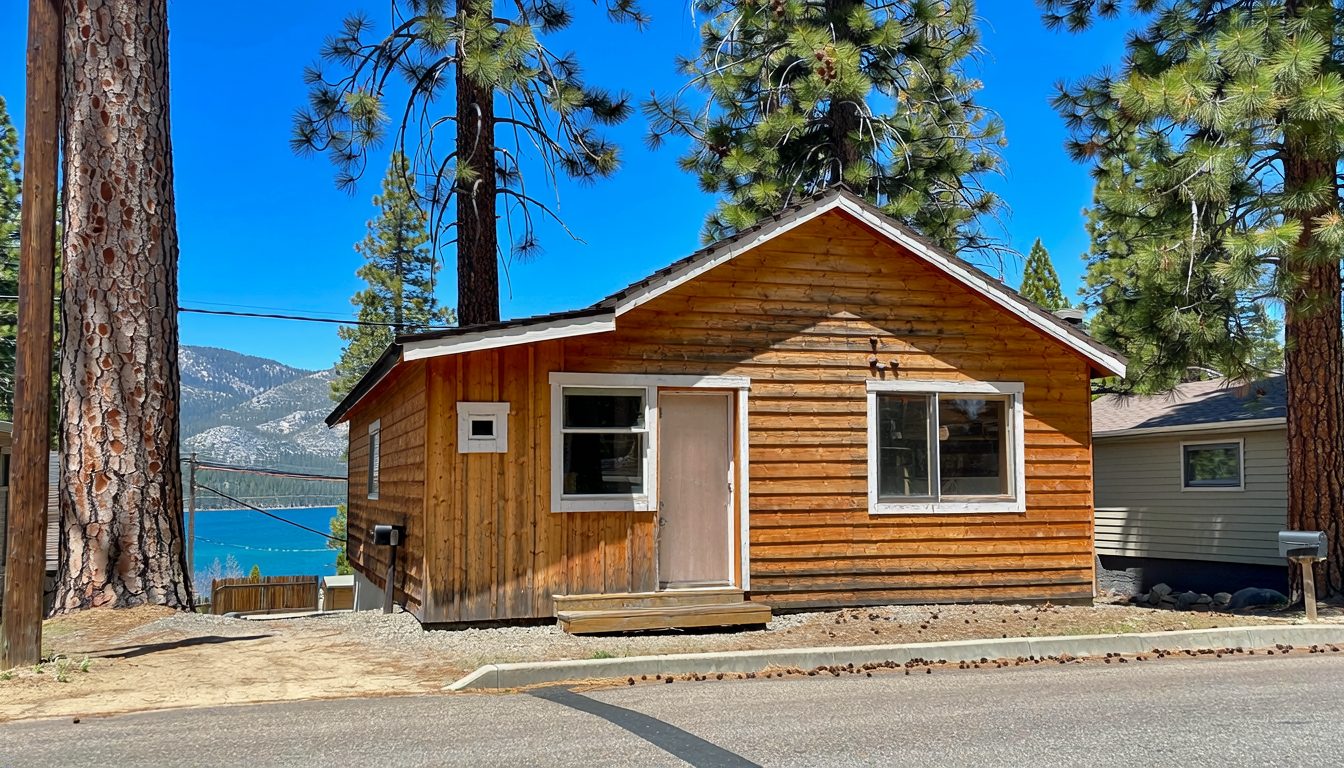
In South Lake Tahoe, roughly 65 percent of homes are not owner-occupied, according to Brandie Griffith of the Brandie Griffith & Molly Jordan Real Estate Team at Realty World – Lake Tahoe. Many of those owners rent their properties short term, so access to the city’s vacation home rental permits matters to a large share of buyers. This summer, investors hurried to claim residential permits until the city’s new 900-permit cap closed that window.
Tourism explains why so many owners rent. Heavenly, Sierra-at-Tahoe, and Kirkwood all sit within about 45 minutes of town, and Lake Tahoe ranks among the deepest lakes in North America. Skiing in winter and the lake in summer make South Lake Tahoe a year-round tourist destination, and that steady visitor traffic keeps short-term rental demand high.
That rental demand pulled investors into a market that otherwise favors buyers. Griffith, who works both sides of the California-Nevada state line from the basin down into Carson Valley, says the record Tahoe prices in the headlines don’t describe the South Shore. Interest rates have cooled the market nationwide, she says, and she believes prices here peaked in 2021. “This has been a bit of a buyer’s season,” Griffith says. “We have a lot of properties on market that maybe aren’t moving that fast, but we’re still moving property.”
900 Permits, One Summer
Griffith traces part of this summer’s activity to short-term rentals. Many of her clients this season were buying with an eye toward Airbnb-style rental income. That demand followed a policy change. The city reintroduced vacation home rental permits in residential neighborhoods last year, after a court struck down Measure T, the 2018 voter initiative that had banned them there.
This spring, the city capped residential permits at 900, and buyers moved to claim them; on August 21, the city began placing new applications on a waitlist as permits neared the cap. The cap applies only to residential zones; properties in the city’s tourist core and commercial areas can still obtain permits. For an investor eyeing a house in a residential neighborhood, though, a permit now means joining a waitlist with no set timeline.
Activity slowed once the residential permits ran out, but Griffith can’t say how much of the slowdown the cap explains, because the market typically quiets in October anyway. “We’re not sure if it’s because the permits are gone or it’s just shoulder season,” she says.
The Carson Valley Alternative
While investors compete for permits at the lake, many full-time residents are heading the other direction. Carson Valley, about 30 minutes away on the Nevada side, offers more land for the money, a lower elevation, and longer summers.
“A lot of times, especially people that live at the lake, when they are done shoveling snow, they want to move off the hill but be close enough to family and friends that they can return quickly,” Griffith says.
A recent client illustrates the pattern. Thinking about retirement and wanting a longer summer growing season, the client sold a California-side Tahoe home and moved to a Carson Valley property on a parcel four times the size – with money left over for retirement.
The valley also gives investors more room on value-add deals. Griffith got into real estate 20 years ago by buying, fixing, and flipping properties, and she says flips rarely work in South Lake Tahoe today unless a property is very distressed. Instead, many Tahoe buyers put in sweat equity to clean up a property and then hold it rather than putting it right back on the market. “The margins aren’t there in Tahoe per se, but they definitely come up a little more often in the Carson Valley area,” she says.
Insurance Before the Offer
On the California side, insurance now enters the conversation before a buyer writes an offer. A single all-encompassing policy is very difficult to obtain, so buyers typically pair a policy from their own insurer with supplemental fire coverage. “Most people are getting a policy from maybe their own insurance vendor with umbrella, but the supplemental fire insurance is definitely something we’re discussing before people are even making an offer,” Griffith says. Her team works through that coverage early so buyers are properly prepared.
Renewals are getting more expensive, too, but Griffith stresses that the pressure isn’t unique to Tahoe. Premiums on the California FAIR Plan, the state’s insurer of last resort, have been climbing statewide; its latest increase, averaging 29.1 percent, took effect for new and renewing policies on October 15. Wildfire hazard surrounds Tahoe, she says, but it surrounds most of the state as well. South Shore residents have seen that hazard up close: in August 2021, the Caldor Fire burned to within a few miles of town, and officials ordered the entire city of about 22,000 people to evacuate. Statewide, California has seen broader discussion about better ways to manage its forests.
Where the Opportunity Sits
For investors who missed the permit window, Griffith points to long-term rentals in multifamily properties and entry-level single-family homes, with a spot on the short-term rental waitlist as a backup. She also expects lower interest rates to bring buyers back in force, as they did during the pandemic. “When we see a rate decrease, I believe that people will flood back into the area,” she says. Of the pandemic-era boom, she adds, “It was the busiest season of my entire life.”
In the meantime, Griffith and her partner, Molly Jordan, plan to focus in the coming year on first-time buyers; Griffith recently closed a transaction in which the team worked for free to help a tenant buy a property. In a market where most homes are not owner-occupied, each of those buyers shifts the balance, however slightly, back toward full-time residents.
About the Expert: Brandie Griffith is part of the Brandie Griffith & Molly Jordan Real Estate Team at Realty World – Lake Tahoe, working in the South Lake Tahoe basin and Carson Valley.
This article is intended for informational purposes only and does not constitute legal, financial, or investment advice. The views and opinions expressed herein reflect those of the individuals quoted and do not represent an endorsement of any company, product, or service mentioned. Readers should conduct their own due diligence and consult qualified professionals before making any investment decisions.