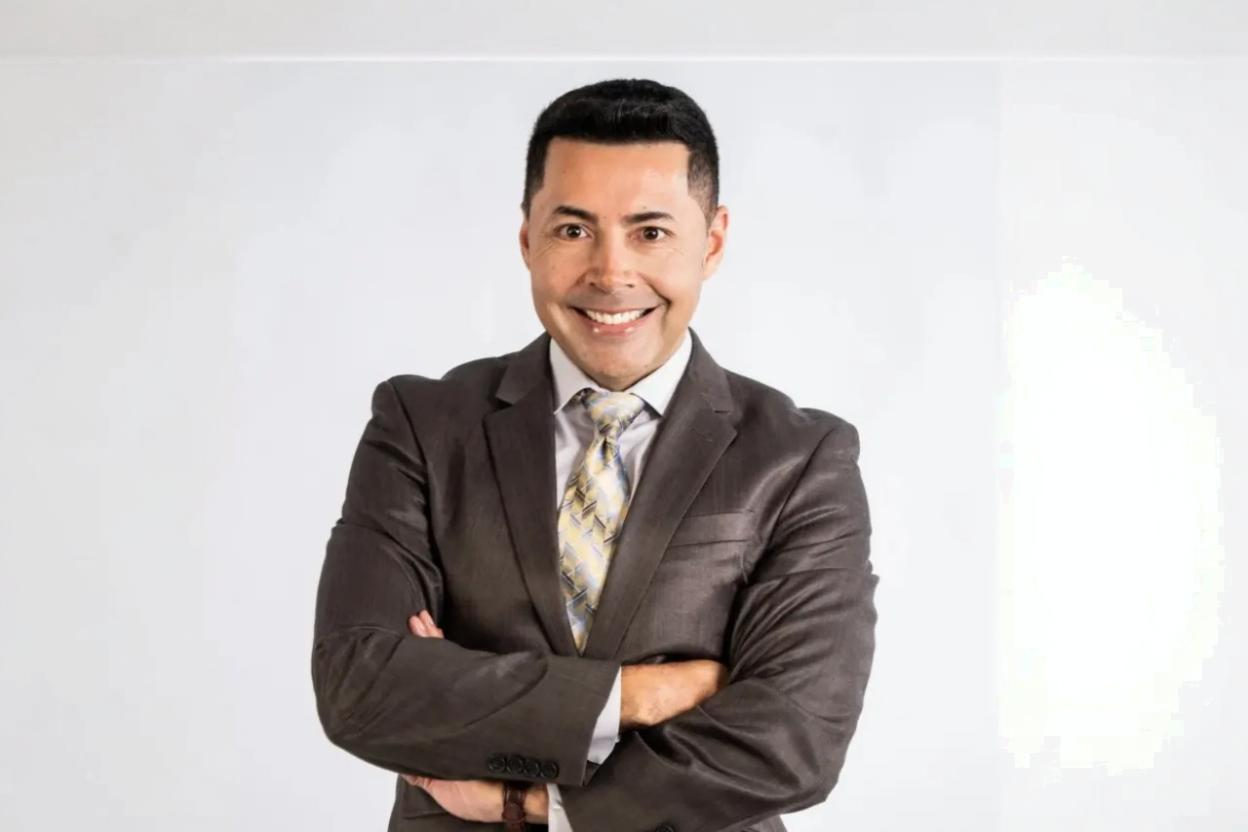
“Price is the most important part of your marketing. You have to price the property correctly,” says Camilo Perez, Broker of Record at Florida Flat Fee Homes, and CEO and Broker Owner of Home Sold Realty, Prime Luxury Estates, and Prime Home Realty Group, who has built a thriving business challenging traditional real estate commission structures in Florida and beyond.
In an industry where 6% commission rates have long been the standard, Perez’s flat fee model offers sellers MLS exposure without the hefty traditional commission, a disruptive approach that’s gaining traction following the National Association of Realtors’ (NAR) settlement that changed how buyer agent commissions are handled.
From Music to Real Estate Disruptor
Perez’s journey to real estate innovation began far from the housing market. Originally from Colombia, he arrived in the United States 16 years ago with a music degree and spent years performing Latin music throughout South Florida.
“It’s a tough life,” he says of his music career. “At some point I decided I needed something more stable.”
His first real estate opportunity came working with investors during the 2010 recession. “I saw many opportunities for investors who were purchasing properties at low prices, renovating them, and either selling or renting them while building substantial portfolios,” Perez recalls.
By 2019, Perez had obtained his broker’s license and opened Prime Home Realty Group with a mission to help sellers save money.
“It’s always been difficult to justify sellers paying up to 6% of their sale price to hire realtors,” Perez explains. “When we created Prime Home Realty Group, it was with the idea of helping sellers save money.”
The Pandemic Pivot
When COVID-19 hit, Perez’s business model—which relied on face-to-face interactions—was suddenly at risk.
“I was concerned about what would happen with our profession and our business approach,” he explains. “I would visit homes, deliver presentations, and secure listings through personal contact.”
This crisis became the catalyst for innovation: “That’s when the idea emerged to move online through a website, charging an initial flat fee, helping people list their homes, and saving them significant money.”
While the booming market of 2021-2022 temporarily pushed this model to the “back burner,” by 2023, Perez had fully committed to the flat fee approach, developing the website and systems needed to sustain the business.
Today, Florida Flat Fee Homes has expanded beyond the Sunshine State, with licenses in Colorado, Arizona, and Georgia. “We’ve fully transitioned to this online flat fee model, and it’s been fantastic,” Perez notes.
How the NAR Settlement Changed the Game
The recent settlement of antitrust lawsuits against the National Association of Realtors has created a more favorable environment for alternative business models like Perez’s.
“The NAR settlement provided people with greater access to information and clarity about the real estate industry,” Perez explains. “People now understand they aren’t obligated to hire a traditional agent and pay 6% when selling properties.”
The settlement removed a significant risk for flat fee brokers. “Previously, as a flat fee broker, we risked liability if a seller didn’t pay a buyer’s broker commission,” he explains. “The system was structured around cooperation between listing and buyer’s brokers, not between sellers and buyer’s brokers.”
Despite these changes, Perez notes that old habits persist: “Many people still believe they must pay commission. Some want to offer compensation to the buyer’s agent. We inform them they cannot offer that compensation through the MLS—it’s now prohibited. However, sellers can still negotiate or communicate any offer of compensation directly with buyer agents outside of the MLS system.”
Honesty About Who Should Use Flat Fee Services
Perez is refreshingly candid about the limitations of his model. “I’m always transparent with people who contact us, and sometimes I tell them upfront that this approach may not suit them,” he says.
For inexperienced sellers who might struggle with the process, Perez often recommends traditional representation: “When I sense they lack experience or might face significant difficulties, I advise them to find a broker or realtor who will guide them directly through the transaction.”
However, many clients are well-equipped to handle the process. “Most people have experience. Many have bought and sold properties,” Perez notes. “Investors, especially, generally have no questions about their ability to manage the process.”
For those who need additional support, Perez offers optional paid consultations. “If you’re listing with us and receive a contract, I offer consultation services. For a fee, I’ll review your contract and advise on the benefits and potential risks for your situation.”
Even with multiple consultations, sellers typically save significantly compared to traditional commission structures. “Some clients pay for four or five consultations and still save money,” Perez says.
Florida’s “Generation C” Sellers Face Reality Check
Beyond his business model, Perez offers valuable insights into current market conditions in Florida, particularly the challenges facing what he calls “Generation C” sellers—those who purchased during the COVID boom.
“We have what we call Generation COVID sellers. That period saw prices skyrocket because interest rates were around 2%,” Perez explains. “It was essentially free money, which created that bubble. And many sellers are still anchored to those values.”
Today’s reality is starkly different. With interest rates around 7% and potentially rising further, sellers must adjust their expectations. “I heard an expert predict rates are more likely to reach 8% than drop to 5%,” Perez notes.
This market shift has created painful situations for some sellers. “Some bought properties at premium prices in 2021-2022 with low rates. Now, when circumstances require them to sell, they’re losing money,” he says. “I’ve seen this scenario more frequently than I’d like.”
Florida’s Condo Market: “Hit From All Directions”
Florida’s condo market faces particularly severe challenges. “Condos are being hit from all directions,” Perez says, especially in the sub-$1 million segment.
Three major factors are contributing to this downturn:
50-Year Certification Requirements: “The 50-year certification is imposing substantial assessments on condo owners. They want to sell, but must disclose these assessments to buyers, often double their previous monthly payments.”
Insurance Crisis: “Florida insurance premiums are creating significant financial pressure on owners,” with rapidly rising costs making ownership increasingly unaffordable.
Immigration Policy Changes: “A substantial portion of Florida’s market came from South American or Canadian buyers… recent policy changes have made migration more difficult for people from other countries, especially South America.”
While these factors affect the entire Florida real estate market, Perez observes that the condo sector has been hit hardest. “These issues impact the single-family home market too, but they’re particularly devastating for condos.”
The Three-Part Formula for Selling in Today’s Market
Despite these challenges, properties are still selling, when approached correctly. Perez emphasizes three key factors for success in today’s market:
“Success depends on three elements: price, presentation, and exposure,” he explains. “When these three align, you will succeed.”
Of these, pricing is paramount. “Price comes first. It’s the most important marketing component,” Perez insists. “A property’s price is ultimately what a buyer is willing to pay.”
With his flat fee model providing exposure through MLS listings and other marketing channels, Perez puts the power—and the savings—in sellers’ hands. It’s an approach that’s working for an increasingly diverse clientele, including some surprising demographics.
“My clients include people over 50, many in their 70s, and some in their 80s and 90s,” Perez reveals. “We’ve had a 92-year-old successfully navigate our system.”
This article was sourced from a live expert interview.
Every month we conduct hundreds of interviews with active market practitioners - thousands to date.
The affordable housing sector has long struggled with a disconnect between how residents prefer to pay rent and how property managers collect it. While luxury apartment complexes have adopte...
Florida’s land market is experiencing notable changes as buyers increasingly seek properties that can accommodate multiple generations, while traditional investment patterns shift in r...
Omaha’s rising profile is drawing national interest, with Forbes recently naming it the number one city to move to in the United States. But while headlines highlight a wave of Midwest mig...
Arizona continues to attract thousands of new residents each month, but this influx is creating new complexities for buyers and sellers in the state’s evolving real estate market. With Pho...
The journey from tracking tigers in Indian forests to becoming one of only 68 Certified International Property Specialists (CIPS) instructors worldwide is an uncommon career path. For Trisha...
Cape Coral’s real estate market has drawn national attention for its recent challenges, with the Wall Street Journal declaring it “America’s worst housing market” in June. Headlines ...