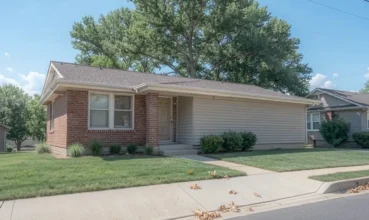
You walk into a house that looks perfect online. The kitchen is modern, the price is right, and the yard matches your wish list. But something in the basement makes you uneasy — and you start to wonder what else you might be missing.
Laura Doyle, a broker with Century 21 Action Plus Realty who works across central New Jersey, says most buyers overlook the same key warning signs until it’s too late. Here are seven red flags that could help you avoid costly surprises.
Fresh Paint in Just One Room
Why it matters: When only one room or a section of ceiling appears freshly painted, it often means the seller is covering up a recent problem — like a water leak or crack — not just redecorating. These quick fixes may hide water damage or structural issues that can cost thousands to address.
Doyle advises buyers to question fresh paint in isolated areas. Water stains or patched cracks under new paint may signal repairs that haven’t addressed the root cause.
What to do: Ask for documentation of any recent repairs in that room. During inspection, request a moisture check to rule out hidden leaks. If the seller can’t provide a clear reason for the paint, consider it a warning sign.
Doors That Don’t Close Smoothly
Why it matters: Sticking or misaligned doors can be a symptom of foundation movement rather than just humidity or worn hardware. Foundation repairs are among the most expensive fixes a homeowner can face.
Doyle recommends testing every door in the house, not just the front one. Multiple doors that won’t latch or swing properly may indicate structural shifting.
What to do: Open and close every interior and exterior door during your tour. If several doors stick, ask your agent to flag this for the inspector or consider hiring a structural engineer for a detailed evaluation.
Strong Air Freshener Smell
Why it matters: Overpowering scents often mean the seller is masking persistent odors from pets, smoke, mildew, or mold. Removing embedded odors can require replacing carpets, drywall, or even subflooring — costs that quickly add up.
“If the house smells like a candle store, there’s usually a reason,” Doyle says. Sellers use strong scents to cover problems they don’t want buyers to notice.
What to do: Open closets, cabinets, and basement doors to check for musty or unpleasant smells. Ask directly if the home has had pets or been smoked in. If the seller avoids answering, treat it as a possible red flag.
Basement or Crawl Space You Can’t Access
Why it matters: If a seller restricts access to the basement or crawl space, they may be hiding water damage, mold, or structural issues. These areas are where foundation cracks, leaks, and pest infestations are most likely to appear — and repairs can be costly.
Doyle emphasizes that basements and crawl spaces are critical to inspect before making an offer.
What to do: Insist on seeing every area of the house, including unfinished spaces. Your inspector should check for moisture, mold, and structural problems. If the seller denies access, be prepared to walk away.
Old Electrical Panel With Missing Labels
Why it matters: Outdated electrical panels or missing circuit labels can be a sign of DIY wiring, overloaded circuits, or fire hazards. Upgrading electrical systems to meet code can cost several thousand dollars and is essential for safety.
“If the panel looks old or the labels are missing, that’s a warning sign,” Doyle says. Electrical issues are expensive and risky to ignore.
What to do: Take a photo of the electrical panel during your visit. Ask if electrical updates have been made and when. Ensure your inspector checks the wiring and panel capacity.
Well Water or Septic System Issues
Why it matters: Many homes in central New Jersey rely on well water and septic systems. If either fails inspection, repairs or replacements can cost thousands, and these issues often derail sales at the last minute.
Doyle notes that inspection problems with wells and septic systems are a common reason deals fall through in the area.
What to do: Ask when the well and septic system were last inspected and serviced. Budget for comprehensive testing during your inspection period. If the seller hasn’t maintained these systems, factor repair costs into your offer or request a credit.
Windows Painted Shut
Why it matters: Windows that won’t open may be a sign of frame rot, poor ventilation, or even lead paint. Repair costs range from several hundred dollars per window to full replacement, and lead paint remediation can be especially expensive in older homes. Doyle urges buyers to check every window, as several painted shut windows usually mean more than just old paint.
What to do: Try opening every window on your tour. If multiple windows are stuck, include replacement costs in your offer and consider lead paint testing for older homes.
When It’s Just Cosmetic
Not every flaw is a dealbreaker. Small cracks in old plaster often mean settling, not foundation problems. A stain near the dishwasher could be from a spill, not a leak. Doyle advises buyers not to overreact if an inspector deems an issue minor, but to always ask questions. Knowing the difference between a cosmetic blemish and a true defect can save thousands.
The Bottom Line
While you can spot many red flags on your own, a licensed inspector will catch issues you might miss. Doyle stresses treating your own purchase with the same care you’d give a family member — don’t let a beautiful kitchen distract you from warning signs that could cost real money.
About the Expert: Laura Doyle is a broker with Century 21 Action Plus Realty, serving central New Jersey, including Monmouth and Ocean counties. She specializes in guiding families and relocators through the home-buying process.
This article is based on information provided by the expert source cited above. It is intended for general informational purposes only and does not constitute legal, financial, or real estate advice. Readers should conduct their own research and consult qualified professionals before making any real estate or financial decisions.