If you’ve been following Greater Boston home prices, the headline numbers might suggest continued growth. But a closer look at the condo market in areas like East Boston and Chelsea reveals a different story: prices have stalled, inventory is rising, and some recent buyers are struggling to break even just two years after their purchase.
At the same time, three-family homes in Lynn — a city long seen as an affordable alternative — are now selling for over a million dollars. The market is splitting along property lines, and understanding which segment you’re in is more important than ever.
“We’re still in a seller’s market here in the Northeast,” says JJ Gallant, senior agent at Dina’s Realty in Revere. “But prices are not on this crazy aspirational train up anymore.”
Condos: Inventory Up, Prices Flat
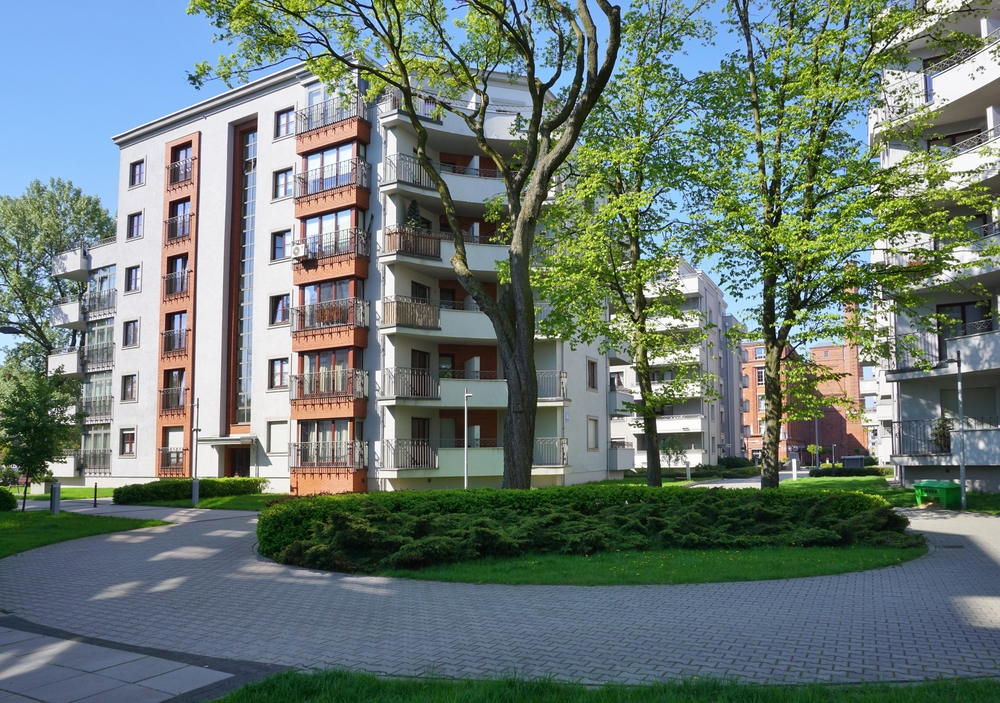
Condo sellers in East Boston and Chelsea are facing a tougher market than they expected. Inventory has grown steadily over the past year, and units that once attracted multiple offers are now sitting for weeks. Gallant recently worked with a condo owner who was convinced his unit could fetch $480,000, despite recent sales in the building indicating a more realistic price of around $375,000.
In Medford’s Wellington Station complex, a two-bedroom condo that sold for $630,000 during the pandemic is now worth about the same, or even less, more than two years later. Gallant notes that the slowdown is “starting to show up in the condo markets first.”
Several factors are putting pressure on condo prices. Developers have added thousands of new rental units along Revere Beach in the past five years. While these are apartments rather than condos, they are absorbing renters who might otherwise have become buyers. Meanwhile, older condo buildings are seeing more owners try to sell at the same time, increasing competition and making it harder for any one listing to stand out.
What’s Still Selling Quickly
Single-family homes and multifamily properties are performing much better. In cities near Boston — including Revere, Lynn, and Medford — updated three-family homes continue to attract multiple offers and often sell above asking price. Even in Lynn, which was considered a bargain just a decade ago, well-maintained multifamilies now routinely sell for over $1 million.
“If you told people that about Lynn even ten or eleven years ago, they would have told you you’re crazy,” Gallant says.
The underlying reason is simple: Greater Boston’s housing supply is limited by geography. Unlike cities in Texas or Florida, there isn’t open land for large-scale new construction. This keeps the supply of homes tight, especially for multifamily properties that offer investors rental income. Even with higher mortgage rates, investor demand for these buildings remains strong.
First-time buyers looking for single-family homes face similar competition. A move-in-ready house in the core Boston suburbs now starts well above $500,000, and anything priced lower often requires significant renovations.
How Buyers and Sellers Should Respond
For condo buyers, current conditions offer a rare advantage. With inventory up and fewer bidding wars, buyers have more room to negotiate on price and terms. If you have been priced out of the single-family market, now may be the time to consider condos in East Boston, Chelsea, or Medford. However, buyers shouldn’t expect rapid appreciation — prices are likely to remain flat or see only modest gains in the near future.
Condo sellers need to be realistic about pricing. Overpricing a unit will keep it on the market while newer, competitively priced listings draw buyer attention. Gallant advises sellers to “price realistically from day one.” For older units or those in need of updates, offering renovation credits can help attract buyers in a crowded market.
Sellers of single-family and multifamily homes still hold the advantage, but expectations should be tempered compared to the past few years. Gallant is telling clients to expect annual appreciation in the one to three percent range — a sharp contrast to the double-digit increases seen during the pandemic.
First-time buyers are increasingly looking beyond the immediate Boston area in search of affordability. Towns like Haverhill, Amesbury, and Salisbury are seeing increased interest as buyers trade proximity to Boston for lower prices. On the South Shore, Brockton and Weymouth remain more affordable than many closer-in communities, though prices there have also climbed.
What This Means for the Market
Greater Boston’s real estate market is no longer moving in lockstep. Condos are cooling as inventory builds and prices flatten. Single-family homes remain steady, but with less dramatic gains than in recent years. Multifamily homes are the strongest segment, driven by investor demand and the enduring appeal of rental income.
For anyone buying or selling, understanding the dynamics of your particular market segment is crucial. Pricing strategies and negotiation leverage now depend on whether you’re dealing with a condo, a single-family home, or a multifamily property.
“We’re still in a seller’s market,” Gallant says, “but you have to be in touch with reality.”
Looking Ahead
The current split in Greater Boston’s housing market is likely to persist as long as inventory levels and buyer demand remain uneven across property types. For buyers, this means more opportunities to negotiate in the condo segment, but continued competition for well-located single-family and multifamily homes. For sellers, realistic pricing and a clear understanding of local trends will be key to a successful sale.
About the Expert: JJ Gallant is a Senior Agent at Dina’s Realty LLC in Revere, Massachusetts. He specializes in North Shore residential sales, multifamily investments, and guiding first-time buyers through Greater Boston’s competitive market.
This article is intended for informational purposes only and does not constitute legal, financial, or investment advice. The views and opinions expressed herein reflect those of the individuals quoted and do not represent an endorsement of any company, product, or service mentioned. Readers should conduct their own due diligence and consult qualified professionals before making any investment decisions.