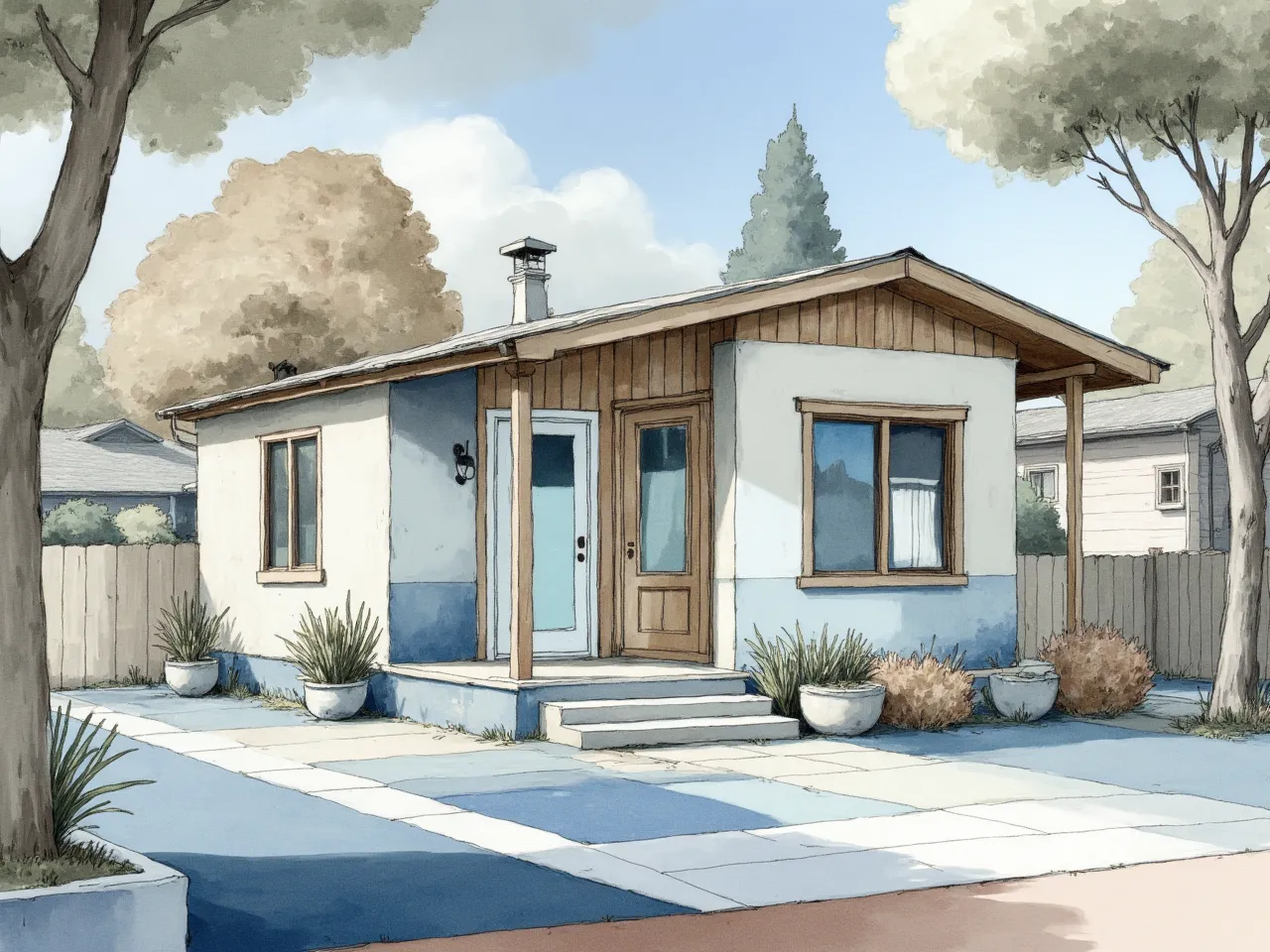
The affordable housing crisis in America is not primarily caused by construction costs or financing availability, according to Doug Ressler, Manager of Business Intelligence at Yardi Matrix. Ressler contends that outdated zoning laws are the main obstacle, a reality that many policymakers and developers avoid addressing directly.
“The biggest inhibition to manufactured housing is the stigma about the fact that you have the right zoning, you have the right permitting, and you have the land available?” Ressler says. “Those are three key metrics.”
Recent research from Yardi Matrix, which analyzed manufactured housing adoption across more than 200 U.S. markets, shows a clear divide driven by local regulatory policies rather than construction capacity, land prices, or financing. Ressler argues that the decisive factor is whether municipalities have updated zoning and permitting to allow for alternative housing types.
The Markets That Solved the Zoning Problem
Markets like the Phoenix metro area and Largo, Florida, lead in manufactured housing adoption not because of better builders or lower material costs, but because local governments have deliberately removed regulatory barriers.
“You see those communities that are stepping up, like Largo, like Phoenix, that you have local governance areas like Buckeye, Arizona, Largo, Florida, that are working in combination with the community, as well as the governance of the community, to be able to establish zoning and permitting that will allow for additional housing stock,” Ressler says.
In contrast, Ressler notes that in many communities where manufactured housing remains rare despite high demand, restrictive zoning codes, often written decades ago, still block new supply. The result is a persistent shortage of affordable options for middle- and lower-income households.
“Numerous studies have been done, and we are very proponents of this, big proponents that the more housing will help reduce the price of housing in general,” Ressler notes.
Why Zoning Reform Remains Politically Difficult
Ressler emphasizes that the main barrier to expanding affordable housing is not technical or financial, but political. Municipal action is required, yet most communities have been unwilling to update their codes.
Zoning reform often faces local resistance, requiring officials to address neighborhood fears about property values, aesthetics, and community character. Ressler points to “nimbyism” — not-in-my-backyard sentiment — as a significant social obstacle that reinforces regulatory inertia.
“There are also other social demographics that we won’t get into at this point, not in my backyard, nimbyism, if you will,” Ressler says. “But at the same time, you see those communities that are stepping up.”
Where local leaders have acted — such as in Largo and areas around Phoenix — manufactured housing has gained a foothold. Ressler points to these markets as evidence that loosening zoning restrictions directly leads to more affordable housing options, with market activity following governance reform.
The Broader Housing Supply Implications
Ressler’s comments come as housing supply shortages are worsening. Yardi Matrix projects that approximately 433,000 new residential rental units will be delivered in 2026 and 2027, down from more than 500,000 units in 2025. Developers are slowing new projects, waiting for more favorable interest rates and more precise loan terms before starting construction.
“Loan originators, developers, things like that, are developing more of a wait and see if I’m going to buy or if I’m going to build,” Ressler explains. “You know, I want to know what the loan terms are going to be, because I’m going to underwrite this thing for at least three to five years.”
This slowdown in new construction is expected to increase competition for existing homes, making the need for alternative solutions, such as manufactured housing, even more urgent. Ressler notes that these options are critical for a range of groups, including seniors aging in place, millennials starting families, and younger generations seeking affordable entry points into the market.
Emerging Investment Patterns
For investors, Ressler highlights a clear pattern: markets where local governments are actively reforming zoning to allow more housing types present stronger opportunities for affordable housing investment. In these areas, regulatory changes create the conditions for market-driven solutions to follow.
“What you see is governance that’s willing to work, especially like Largo, that is willing to work to be able to take the economies of scale and create housing to be able to cover a percentage of the populace,” Ressler says.
According to Ressler, zoning reform is often a more critical factor in market viability than land costs, construction efficiency, or financing availability. Communities that address regulatory barriers first create the environment necessary for new affordable housing to be built.
The pace at which more municipalities follow the examples of Phoenix and Largo may determine how quickly alternative housing models can expand to meet the growing affordable housing gap, a gap that traditional site-built construction has failed to close.