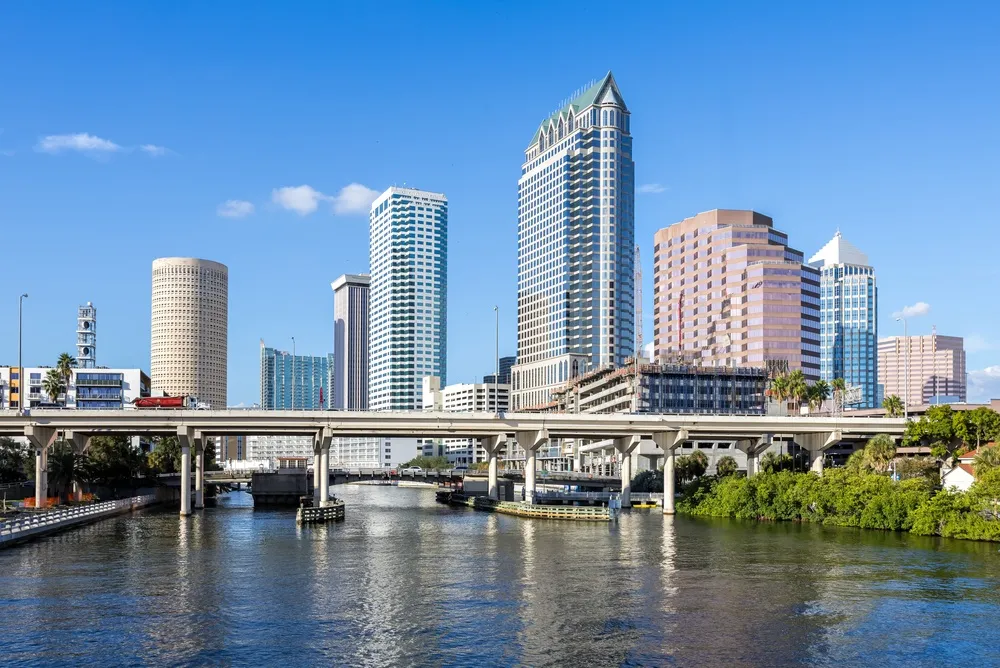
A narrative is building around Tampa Bay: that the city is on a trajectory to become Florida’s next premium market, rivaling Miami in desirability and price. Corporate relocations, data center construction, and population growth fuel the comparison. But for buyers evaluating Tampa today, the “next Miami” framing may obscure more than it reveals, and purchase decisions based on an uncertain future carry real financial risk.
Oleg Shypitsyn, a Real Estate Advisor with LPT Realty’s Military Veteran Team in Tampa Bay, hears the comparison regularly. “There’s conversation about that, Tampa will become another Miami over time,” he says. He points to visible signs of growth: new buildings rising, companies relocating operations to the area, and large data science centers under construction.
The growth is real. Tampa has attracted corporate investment across multiple sectors, and its population continues to draw from both domestic migration and international relocation. For buyers comparing Florida markets on price, Tampa’s current cost of entry is well below that of Southeast Florida: Miami, Fort Lauderdale, and the Naples-Fort Myers corridor all command higher per-square-foot prices for comparable properties.
Miami’s premium pricing reflects decades of international capital flows, an established luxury hospitality infrastructure, a global brand identity, and geographic constraints that limit outward suburban expansion. Tampa has none of those structural conditions in place today. Its growth story is corporate and residential, not luxury-driven, and corporate growth can stall, relocate, or consolidate in ways that luxury-market demand typically does not.
The current market undercuts the hype as well. Shypitsyn describes Tampa as “relatively flat” in mid-2026, with fewer buyers than during the pandemic and no immediate catalyst for a price surge. Interest rates are expected to remain at current levels, according to Shypitsyn, and the oversaturation of Airbnb listings that inflated property values during the pandemic has already corrected. “There’s plenty of inventory, not a lot of buyers,” he says. “Not as much as in a pandemic level.”
What Tampa Offers
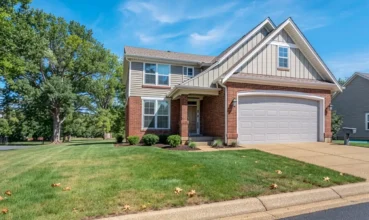
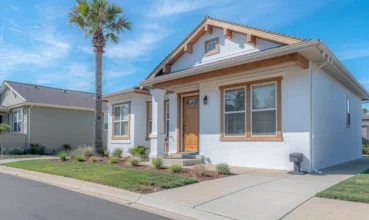
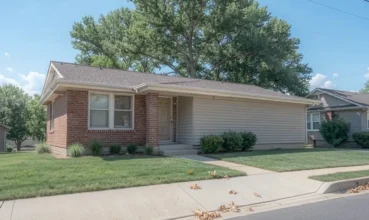
For buyers, this creates a genuine tension. Tampa’s price advantage versus Southeast Florida is a documented fact right now. “The Tampa market is very attractive for the prices, what you can get compared to Southeast Florida,” Shypitsyn says. A buyer purchasing in Tampa today gets more square footage, larger lots, and access to highly rated schools at lower prices than in comparable Southeast Florida markets. Shypitsyn describes the area around MacDill Air Force Base suburbs as particularly well-suited for families seeking good schools and quiet neighborhoods.
The distinction that matters is whether a buyer is purchasing for today’s value or tomorrow’s appreciation, and those are different decisions with different risk profiles. Buying a home you can afford, in a neighborhood that suits your life today, at a price that makes sense relative to current rents and income, is a sound housing decision regardless of what Tampa becomes in a decade. Buying a home you can barely afford because you expect Miami-level appreciation to cover the gap is speculation, not strategy.
Tampa’s corporate growth does provide a demand floor that pure tourism markets lack. Data centers and corporate offices bring stable employment rather than seasonal income, which supports year-round housing demand and reduces boom-bust cycling. That is a meaningful structural advantage for long-term residents.
But stable demand and rapid appreciation are different outcomes. A market can have solid fundamentals, a strong employment base, a growing population, a reasonable cost of living, without producing the double-digit annual gains that early Miami investors captured. Tampa may become more expensive over time. It may also plateau at a price level well below Miami and stay there for years. Both outcomes are consistent with the current data.
What Buyers Should Weigh
Buyers researching Tampa in the second half of 2026 will find genuine price advantages over Southeast Florida, active corporate investment, and inventory levels that favor negotiation rather than bidding wars. What they should weigh carefully is whether any purchase decision depends on the “next Miami” narrative proving true, because if it doesn’t, the home still needs to work as a home at the price paid.
Shypitsyn’s advice to hesitant buyers is direct: “If you like the property, make a move. You can always refinance if you need to. If the interest rate drops, but if the interest rate goes up, you’ll be happy that you made a move.” That logic holds when the purchase price works against current income and current carrying costs. It holds less well when stretched affordability depends on future appreciation to justify the math.
About the Expert: Oleg Shypitsyn is a Real Estate Advisor with LPT Realty’s Military Veteran Team, serving the Tampa Bay area with a focus on military relocation transactions near MacDill Air Force Base.
This article is intended for informational purposes only and does not constitute legal, financial, or investment advice. The views and opinions expressed herein reflect those of the individuals quoted and do not represent an endorsement of any company, product, or service mentioned. Readers should conduct their own due diligence and consult qualified professionals before making any investment decisions.