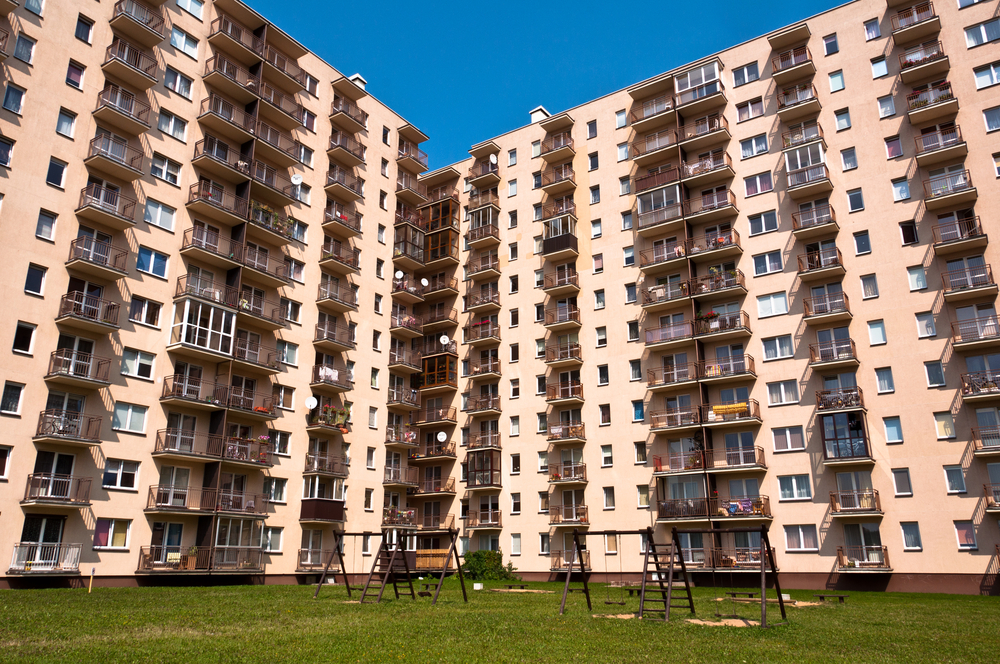
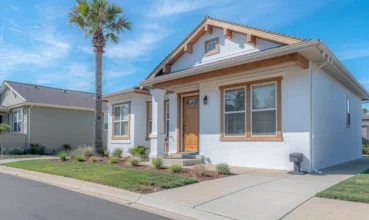
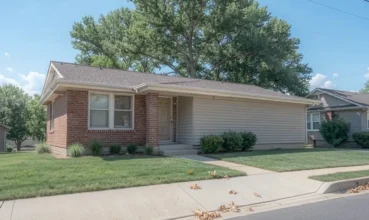
Tampa’s real estate market is revealing a sharp divide: while single-family homes, duplexes, and small multi-family properties continue to sell, many condos — especially older high-rises — are sitting on the market. Just a few years ago, waterfront condos were among Tampa’s most sought-after properties. Now, buyers are steering clear, and sellers are struggling to close deals.
The slowdown in the condo market can be traced to lingering concerns after the 2021 Surfside building collapse in Miami. Stricter inspections, rising special assessments, and increased insurance scrutiny have made buyers wary — even in well-maintained buildings. Sellers, meanwhile, are forced to cut prices and make concessions to attract showings.
In contrast, demand for duplexes, small multi-family homes, and fixer-uppers in emerging neighborhoods remains strong. Investors and owner-occupants alike are looking for properties where they can avoid the risks associated with condo associations and unexpected assessments. For those who know where to look, Tampa’s market still offers opportunity — just not in the condo towers that once dominated the headlines.
Why Condos Are Struggling
Selling a Tampa condo has become increasingly difficult. Buyers are cautious after seeing headlines about building safety and stories of hefty special assessments — sometimes as high as $60,000 or $80,000 per unit. Even structurally sound condos from the 1950s and 1960s are facing heightened scrutiny.
Daven Henry, a licensed real estate specialist with LPT Realty in Tampa, has experienced these challenges firsthand. “I had 10 condos as rentals, and selling them has been the hardest thing,” Henry says. He describes one sale that fell through four times due to issues ranging from lender problems to insurance issues and buyer fears.
Monthly bills for repairs and upgrades can reach $5,000 or more, and word spreads quickly among prospective buyers. As a result, condo inventory is rising, and sellers are forced to price aggressively and offer incentives. While some deals are still closing, the pace has slowed to a crawl.
Properties Seeing Steady Demand
While condos languish, demand for duplexes and small multi-family properties is holding up. Henry recently closed a deal on a fully rented duplex in Plant City, a community east of Tampa. The buyer viewed it as a stable investment with ongoing rental income and no exposure to condo association decisions or surprise assessments.
“It’s close enough to Tampa, affordable, and it’s got tenants paying rent,” Henry says. These properties may not have the glamour of waterfront condos, but they offer investors and owner-occupants more control over costs and fewer surprises.
Fixer-uppers in up-and-coming neighborhoods are also attracting buyers. Investors who have been active in Tampa since the 2008 housing crash continue to find value in areas bordering major developments. These properties offer something many condos can’t right now: direct control over repairs, upgrades, and long-term costs.
Where Investors Are Looking
Savvy buyers are targeting neighborhoods near major projects — areas that haven’t yet fully appreciated but are likely to benefit as nearby developments progress. Henry points to locations on the fringes of established areas, such as near Gas Works Park or on the outskirts of Ybor City, where billions in investment are still underway.
“You gotta go five to 10 years ahead,” Henry says. The goal is to buy in neighborhoods that combine relative affordability with clear potential for future growth as new amenities, transit lines, and businesses move in. Because these properties aren’t condos, buyers avoid the association challenges and assessment risks that are complicating high-rise sales.
For Buyers
Buyers interested in condos should expect a more complex process. Lenders are imposing stricter requirements on condo associations, and securing insurance can be difficult. Prospective buyers should allow extra time for due diligence and thoroughly investigate any pending assessments. Buildings with strong reserve funds and clean inspection histories may offer good value, as motivated sellers are willing to negotiate.
For those looking at duplexes or small multi-family homes, competition is strong. Both investors and owner-occupants are targeting these properties for their rental income potential. Buyers should ensure the property’s financials make sense and never skip inspections, even when purchasing a rental.
Fixer-upper buyers should focus on neighborhoods where signs of revitalization are already visible — such as new businesses, active renovations, and increased foot traffic. Investing in areas with clear momentum helps reduce risk and increases the likelihood of long-term appreciation.
For Sellers
Condo sellers need to be realistic about pricing. Attempting to capture 2021 prices is unlikely to succeed. Full disclosure about assessments and upcoming projects is critical, and offering to help cover buyer closing costs may help move deals forward. The quicker a sale can close, the better, as buyers remain cautious and deals frequently fall through.
Those selling duplexes or fixer-uppers should highlight income potential and the benefits of planned renovations. Providing rental comparables and repair estimates can help investors make decisions quickly. If the property is in a neighborhood poised for growth, sellers should clearly communicate the impact of upcoming developments or infrastructure improvements.
Looking Ahead
Tampa’s real estate market is no longer uniform. Buyer concerns and rising costs weigh down condos, while duplexes and fixer-uppers — especially in neighborhoods with growth potential — are moving steadily. Investors and buyers are prioritizing properties where they can control expenses and avoid the unpredictability of condo boards and special assessments.
“Not all condos are falling,” Henry says. “But until everyone figures out the assessments and what’s actually required, it’s going to be tough.”
About the Expert: Daven Henry is a licensed real estate specialist with LPT Realty, LLC, based in Tampa, Florida. He has focused on investment properties, distressed homes, and emerging neighborhoods throughout the Tampa Bay area since 2008.
This article is intended for informational purposes only and does not constitute legal, financial, or investment advice. The views and opinions expressed herein reflect those of the individuals quoted and do not represent an endorsement of any company, product, or service mentioned. Readers should conduct their own due diligence and consult qualified professionals before making any investment decisions.