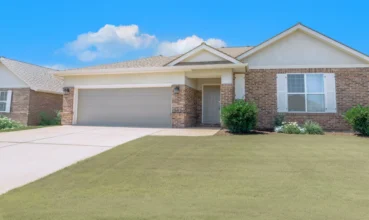
Property values along the South Jersey Shore, New Jersey, continue to rise even as the number of sales drops sharply. This pattern is driven by long-term inventory constraints rather than typical demand cycles. According to Gerard Rosenberger, co-owner and sales associate at Marketplace Realty, transaction volume has fallen to just 50-60% of pre-pandemic levels. Still, prices continue to climb due to a persistent shortage of homes for sale.
“The number of homes selling is 50, 60% of what it was before COVID,” Rosenberger says. This reduction in sales does not reflect a weaker market. It underscores how limited supply is keeping prices high even as fewer deals close.
Teardowns Remove Affordable Homes Permanently
The inventory shortage is not expected to ease soon. Rosenberger points to a steady cycle in which older homes are purchased, demolished, and replaced with new construction at much higher price points. This process removes affordable options from the market, pushes entry-level prices higher, and leaves buyers with fewer choices.
As new construction sells at premium prices, the remaining older homes also rise in value because alternatives become scarce. Land values climb as developers compete for buildable parcels. This competition raises the cost of new construction. Each sale at a higher price sets a new baseline for the area. This makes it difficult for buyers to find lower-priced properties.
“The lack of inventory, increased cost of construction, and rising land prices are all driving prices higher,” Rosenberger says. “There are fewer older homes or second-generation homes available, and those are even going higher because there are so few left.”
This dynamic creates a feedback loop. New construction pushes prices up, which raises the value of older homes, even if the correlation is not exact. “Anytime the new construction market goes up, it pulls the lower markets up as well,” Rosenberger notes.
Land Scarcity Limits Construction Pipeline
The inventory problem extends beyond finished homes to the land itself. Developers are actively searching for buildable lots but are finding few available. “We have developers looking for land, and we don’t have the land available,” Rosenberger says. This scarcity means that even if demand cools, the number of homes for sale is unlikely to increase meaningfully.
With few new parcels entering the market, the pipeline for future construction remains limited. Most new homes are now selling before they are finished, a shift Rosenberger describes as unprecedented in scale for the region. “Most of them go off market before being complete, which is not something that we have seen historically to this extent,” he says.
Waiting Buyers Misread the Market
Some buyers are waiting, expecting prices to fall in the near future. Rosenberger argues this expectation is misplaced, given the structural factors supporting current price levels. “People say, ‘I’ll wait a year or two, and I’ll get cheaper pricing.’ I don’t see what is pushing people to that assumption,” he says.
While home prices have risen quickly in recent years, Rosenberger notes that values were relatively flat for a long period before the current run-up. By comparison, financial markets have grown much more over the same period. “The stock market and the equity market tripled from ’09 to COVID, probably four times now, and home prices rose 20 percent. It wasn’t equal,” he says.
If a correction comes, Rosenberger expects it to be a period of price stabilization rather than a significant drop. “I don’t think it’s in the next 12 months, just based on the inventory, but if anything, it’s more of a stabilizing than an absolute drop,” he says. For buyers, this means waiting may not lead to lower prices — only to a longer delay in ownership.
Inventory Drives South Jersey Shore Market
Rosenberger identifies inventory as the most important factor to watch over the next 12 to 18 months. Broader economic indicators, such as interest rates and stock market performance, carry less weight in a market where most buyers do not depend on financing or face forced sales.
The South Jersey Shore, New Jersey market is not facing a temporary imbalance that will resolve with increased construction or reduced demand. Instead, the region appears headed for a prolonged period in which limited inventory keeps prices high, regardless of broader economic trends.
Marketplace Realty’s approach focuses on helping buyers understand these market dynamics and identify opportunities within a constrained environment. Rosenberger’s background in institutional real estate informs his analysis of development feasibility and investment returns. He applies this perspective to both residential buyers and developers seeking teardown properties.
Shore Market Signals Lasting Price Trends
The South Jersey Shore, New Jersey market may foreshadow a wider shift as demographic and economic pressures mount in affluent coastal markets where land is scarce and teardown activity is increasing. If inventory constraints persist, the usual relationship between sales volume and prices may not apply. Fewer sales can coexist with rising property values as long as supply remains tight.
For buyers and investors, the main takeaway is that waiting for prices to fall may not be a winning strategy. In markets with permanent inventory shortages, elevated prices could become the new normal, challenging traditional assumptions about timing and value in real estate.