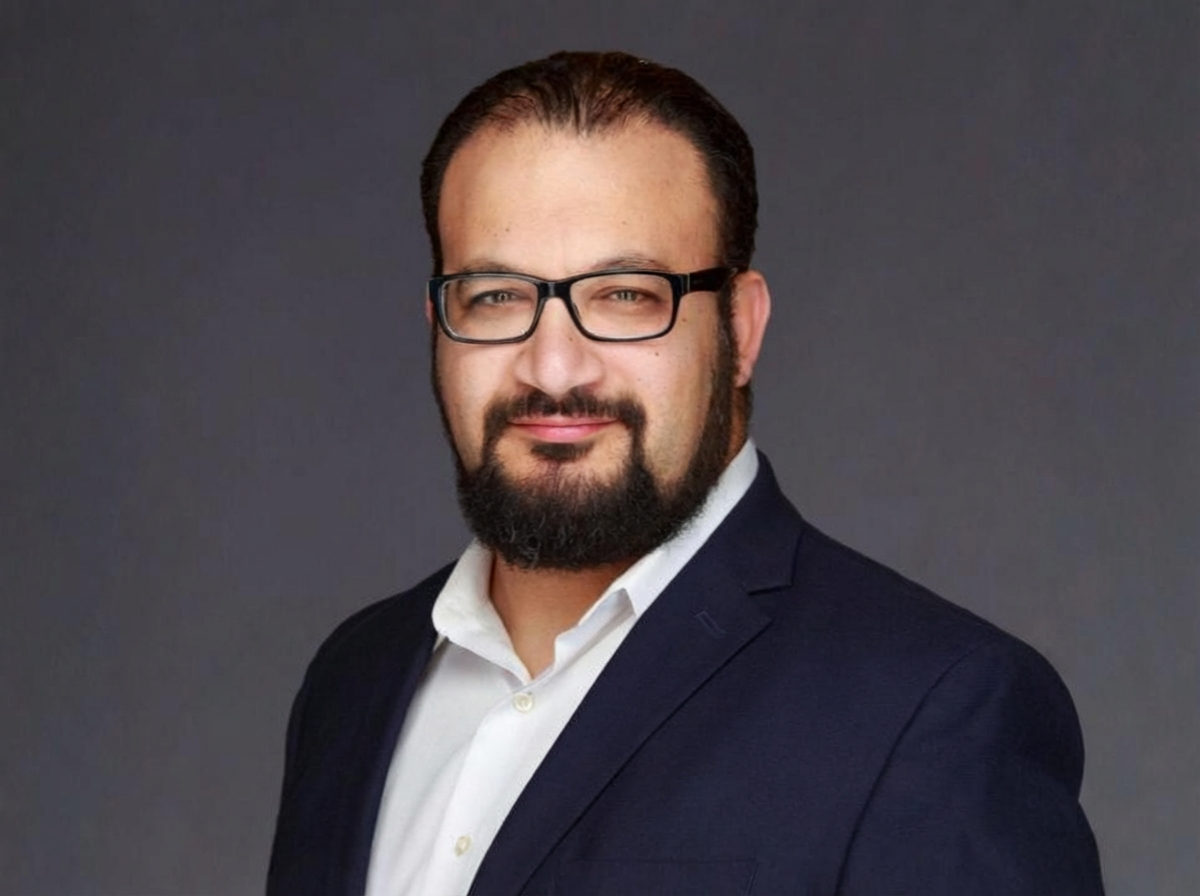
The Interface Student Housing Conference wrapped up in Austin, Texas, bringing together approximately 1,500 industry professionals for what Teddy Abdelmalek calls “the Super Bowl of student housing.” As Senior Vice President of Business Development at HH Red Stone, Abdelmalek compiled insights from 60 meetings over three days, capturing candid conversations from the conference floor about what’s actually driving the industry in 2026.
“This is where conversations convert,” Abdelmalek notes. “Just like football, you’ve got to convert to make the cumulative efforts of your year pay off. Interface is where relationships turn into partnerships and ideas become strategies.”
The State of Student Housing Markets
One of the most striking observations Abdelmalek gathered centers on market dynamics shifting between tier one and tier two institutions. While premium properties near major universities continue performing, operators are increasingly recognizing opportunities in secondary markets where supply constraints and affordability drive demand.
“We’re seeing more sophisticated conversations about tier two and tier three university markets,” he explains. “The cost to entry is lower, but the operational expertise required remains high. That creates opportunities for operators who understand how to deliver quality at scale.”
International student enrollment emerged as another key discussion point. After years of concern about declining international enrollment, sentiment is shifting toward cautious optimism. “I think 2026 will be the year we see an influx of international students,” Abdelmalek predicts. “The political headwinds have settled, and we’re seeing momentum build in our international leasing pipelines.”
Technology and Operations Balance
Throughout the conference, the tension between technology adoption and maintaining human connection dominated operational discussions. Operators are getting smarter about which technologies deliver genuine ROI versus which create expensive distractions.
“The question everyone’s asking is whether technology improves resident experience or operational efficiency,” Abdelmalek observes. “If it doesn’t hit on one of those, operators aren’t interested anymore. The days of buying technology just because it’s new are over.”
AI integration is happening, but with clear boundaries. Operators want automation for administrative tasks that distract from resident interaction, not replacement of the human touchpoints that drive retention and satisfaction.
“AI should supplement what we’re already doing well, taking on mundane work so staff can focus on building community,” he notes. “The winning properties are those using technology to create ‘superhumans,’ not to replace humans.”
Wellness and Community Focus
An emerging theme Abdelmalek identified involves properties investing beyond traditional fitness centers into comprehensive wellness programming. This includes bringing in trainers, offering specialized classes, and creating spaces that support both physical and mental health.
“There’s rising demand for wellness and sustainability as quality-of-life drivers,” he explains. “Some operators under-invest in these areas, and it’s becoming a differentiator. Students want spaces that support their overall well-being, not just provide equipment.”
The conversation extends to thoughtful design of study spaces, collaborative areas, and social zones. Properties are moving away from the amenities arms race toward what HH Red Stone calls “functional hospitality,” creating environments where students can actually succeed academically and socially.
Owner Alignment and Partnership Models
Perhaps the most substantive conversations Abdelmalek had centered on changing expectations around property management partnerships. Asset managers and owners are demanding more than occupancy reports. They want strategic partners who understand that property success and management success must align.
“The gap between ‘here are the numbers’ and ‘here’s what’s driving the numbers and what we’re doing next’ is where performance lives,” he notes, echoing conversations with frustrated asset managers. “Owners want visibility, attention, and someone who thinks past checking boxes.”
This is driving interest in performance-based fee structures that align management compensation with actual property outcomes rather than gross potential rent. “We’re seeing more owners ask why they should pay full management fees when properties underperform,” Abdelmalek observes.
Talent Development as Infrastructure
A recurring theme throughout Interface centered on finding and retaining quality on-site staff. Every conversation eventually touched on staffing challenges, career path development, and professional growth opportunities.
“You have to give on-site talent a path forward,” Abdelmalek emphasizes. “When you find good people, you have to double down, invest in them, and show them this can be a career, not just a job. There’s way too much turnover already.”
Properties that create clear advancement paths, provide meaningful training, and mentor young professionals gain compound advantages over competitors still treating staff as interchangeable.
The Fundamentals Still Win
Across all conversations, one truth emerged consistently: success isn’t mysterious or magical. Properties that execute fundamentals consistently, treat residents with genuine respect, and maintain disciplined operations outperform those chasing the next innovation.
“It’s about doing the fundamentals consistently every single day,” Abdelmalek concludes. “Marketing strategically, following up quickly, maintaining properties impeccably, knowing residents’ names. That’s what separates thriving properties from struggling ones.”
For operators who couldn’t attend Interface, Abdelmalek’s synthesis offers clear direction: focus on fundamentals, invest in people, use technology thoughtfully, and never lose sight that residents are the reason the business exists.
Teddy Abdelmalek is Senior Vice President of Business Development at HH Red Stone. HH Red Stone is the property management arm of HH Group, managing approximately 10,000 beds across multiple asset classes including student housing, multifamily, affordable, and mixed-use properties nationwide. After a decade of exclusively managing HH Group’s owned portfolio, the company launched its third-party management vertical to serve other owners with the same institutional-grade approach it applies to its own assets.