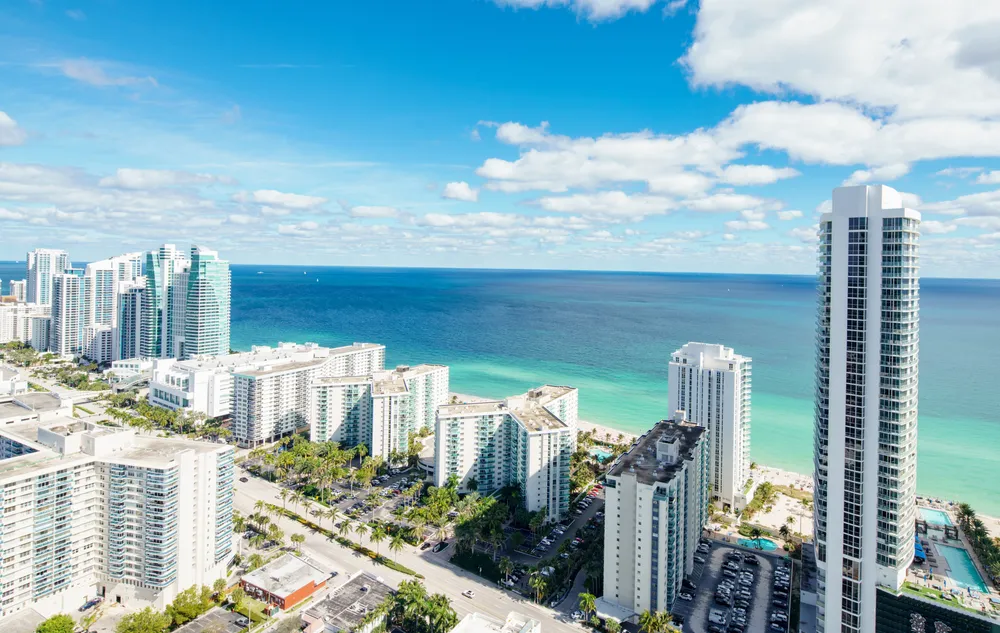
If you are shopping for a condo in South Florida and wondering why so many units seem to linger on the market, the price tag is not the whole story. Agents working the Miami corridor are seeing a pattern: condos that would have moved quickly a few years ago are now sitting for weeks or months, and the culprit is not the listing price. It is what comes after you buy.
Wesly Blanc, a realtor with Wesly R Blanc LLC who works across Miami-Dade and Broward counties, points directly to the aftermath of the 2021 Surfside condominium collapse as the turning point. That disaster, which killed nearly 100 people when a 12-story building crumbled, prompted Florida lawmakers to require older condo buildings to complete structural inspections and maintain funded reserves to pay for repairs. The law changed what it costs to own a condo in Florida, and many buyers have not fully priced that in.
How the Reserve Rules Changed the Math
Before these requirements took effect, many homeowner associations were operating with little to no reserve funds. When the new rules forced buildings to catch up, the math landed on owners in two painful ways: sharply higher monthly HOA fees and one-time special assessments that can run into the tens of thousands of dollars. Blanc has watched this play out repeatedly with sellers he works with. “A lot of these HOAs, they didn’t have the reserves aligned,” he says, “so they had to increase the HOAs a lot or crazy assessments.”
The numbers are not abstract. Blanc cites monthly HOA fees of $700 to $800 in some buildings, costs that add directly to a mortgage payment. For a buyer already stretching to afford South Florida prices, that addition can push a unit out of reach even when the purchase price looks reasonable. And because buyers talk and listings are public, word about high-fee buildings travels fast.
The Condo That Looks Cheaper May Not Be
This creates a problem that is easy to misread. A buyer scrolling through listings might see a condo priced attractively and assume it is a deal. But the monthly carrying cost – mortgage plus a $700 or $800 HOA – can exceed what a comparable single-family home would cost to own each month, even if that home has a higher sticker price. The condo that looks cheaper on paper may be the more expensive choice over time.
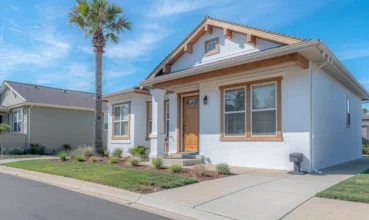
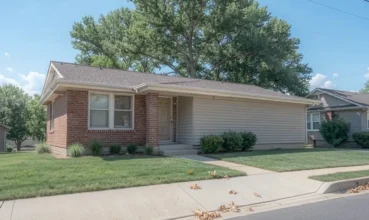
Blanc’s observation is that, by contrast, single-family homes are still moving when priced correctly. “Single-family is selling, as long as your price is right, it’s going to happen,” he says. The divergence between the two property types is not due to a drying up of buyer demand. It is a structural cost increase that has repriced condo ownership in ways the listing price alone does not show.
What to Request Before Making an Offer
For buyers, this means the due diligence checklist for any South Florida condo purchase needs to go beyond the inspection. Before making an offer, it is worth requesting the building’s most recent reserve study, the current HOA financials, and any pending or recently passed special assessments. A building that has already completed its milestone inspection and funded its reserves is in a meaningfully different position than one that has not started that process. The monthly fee advertised today may not be the monthly fee you pay a year from now.
There is also a resale dimension worth considering. A condo in a building with unresolved reserve shortfalls or a looming assessment will face the same headwinds when you eventually try to sell it that current sellers are facing now. Buyers who purchase in buildings with clean reserve status are not just protecting their monthly budget; they are also buying into a more liquid asset.
The Compliance Deadlines
The Surfside legislation is still working its way through the condo market. Buildings have staggered deadlines for completing inspections and funding reserves, which means the full effect has not yet hit every building in the state. Some buildings that appear stable today may face pressure to be assessed in the next 1 to 2 years as their compliance deadlines approach. Florida’s Division of Condominiums, Timeshares, and Mobile Homes maintains public records on registered associations, which can give buyers a starting point for researching a specific building’s status before going under contract.
For now, the gap between condo and single-family demand in South Florida is likely to widen as more buildings reach their compliance deadlines. Buyers who understand the reserve funding landscape have an advantage, both in avoiding unexpected costs and in identifying buildings where the worst of the financial adjustment is already behind them. The listings that sit on the market the longest are not necessarily overpriced. They are carrying costs that many buyers only discover after the initial excitement of a seemingly good deal wears off.
About the Expert: Wesly Blanc is a realtor with Wesly R Blanc LLC, serving buyers and sellers across Miami-Dade and Broward counties in South Florida.
This article is intended for informational purposes only and does not constitute legal, financial, or investment advice. The views and opinions expressed herein reflect those of the individuals quoted and do not represent an endorsement of any company, product, or service mentioned. Readers should conduct their own due diligence and consult qualified professionals before making any investment decisions.