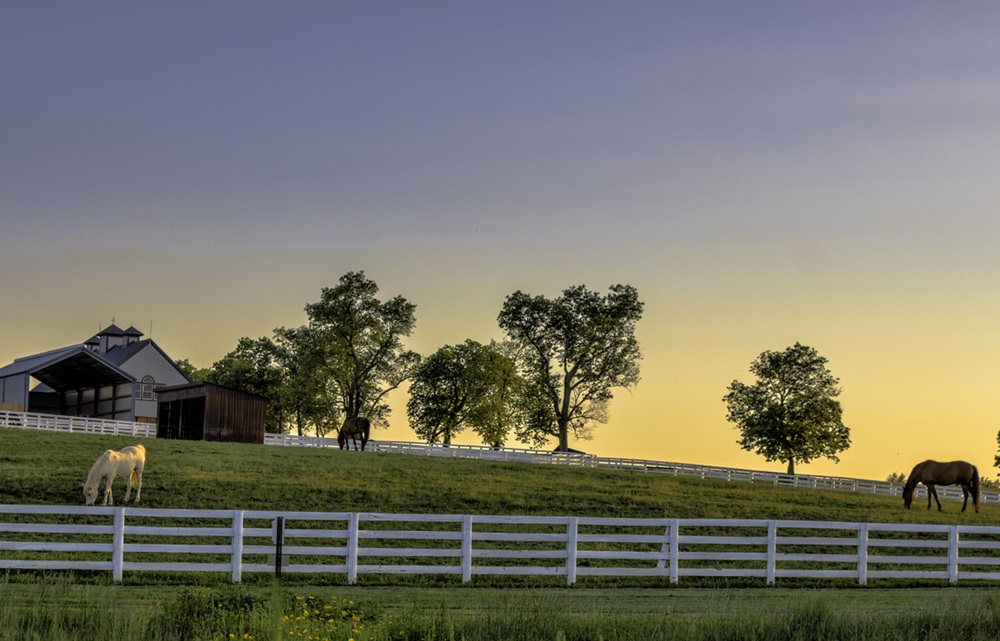
Ocala has been the horse capital of the world for decades. The title is well earned. The region is home to professional breeding operations, elite training facilities, and some of the most productive equestrian land in the country. But the reputation can mislead. Every year, buyers arrive in Marion County with a dream of horse property ownership and a set of assumptions that do not survive contact with the reality of what owning and operating that land actually requires.
Donna Knox has been helping people navigate that gap since 2003. A Realtor with RE/MAX Foxfire and one of the brokerage’s top producers, Knox grew up around standardbred racehorses, spent her formative years at the track, and brought that hands-on foundation directly into her real estate practice. In over two decades of working in the Ocala market, she has handled everything from mobile homes to working equestrian farms, and the through-line across all of it is the same: understanding what a buyer actually needs versus what they think they want.
“My job is helping buyers understand not just what it looks like on paper, but what actually works for them and their goals,” she says.
For anyone seriously considering equestrian property in Central Florida, Knox’s perspective is worth sitting with before a single listing is toured.
The Difference Between a Hobby Farm and a Working Operation
It sounds like a simple distinction, but in practice it catches buyers off guard more often than almost anything else in this market. A hobby farm is built for lifestyle. A few horses, manageable acreage, a comfortable home nearby, a small barn. The priorities are personal enjoyment and ease of daily care. The scale is human-sized.
A working equestrian facility is a business operation, and it needs to function like one. That means proper barn infrastructure, multiple paddocks, durable and appropriate fencing, trailer and equipment access, staff or guest accommodations, feed and hay storage, a riding arena, drainage systems, and zoning that supports the intended use.
“Many buyers don’t realize the difference until they’re deep into the process,” Knox says. The expectation mismatch tends to surface around the time they are trying to figure out where the horse trailer parks, how water flows across the property after a Florida rainstorm, or whether the zoning allows the animals they actually plan to bring.
And she is careful to note that the complexity does not stop at horses. Some properties are zoned for horses only, which rules out cattle and other livestock. Buyers planning a mixed agricultural operation need to know that before they fall in love with a particular parcel.
What Knox Checks Before Anything Else
When she is working with a buyer on equestrian or farm property, Knox has a specific set of questions she moves through before recommending a single showing. The size and layout of the barn matters, but so does the size of the house, because these priorities vary considerably between buyers. Some will put every dollar into the agricultural infrastructure and are happy with a modest home. Others need both.
From there, the conversation turns to animals: how many, what kind, and what purpose. Then zoning. Then the land itself.
Soil condition is a point Knox returns to with particular emphasis, and it reflects exactly the kind of knowledge that only comes from years of working in this market. Florida has a lot of wet areas, and certain soil compositions are not suitable for horses standing in pasture. Poor drainage and the wrong soil chemistry can lead to serious hoof problems over time.
“There’s some areas where the soil isn’t really good for the horse’s feet,” she explains. “If they’re pasture standing, you want to make sure that soil is good and it’s not going to rot their feet out.”
She has guided buyers away from properties they were otherwise enthusiastic about because of this single factor. The land looked right. The price was good. But the soil told a different story.
Details That Show Up in the Showing, Not the Listing
There is a category of farm property knowledge that does not appear anywhere in a listing description and can only be caught by someone who knows what to look for in person. Knox has sold farms that looked functional on paper but had serious operational flaws once you walked the land.
She recalls one property where the only gate opened directly into a front pasture, with the barn situated at the back. Every time someone opened the gate, the horses at the front had a clear path out. The design was not just inconvenient; it was a containment problem waiting to happen.
Ventilation in the barn layout is another one. Florida’s heat and humidity make airflow in a horse barn a genuine welfare issue, not an aesthetic preference. Trailer access and turning radius matter more than most buyers anticipate until they are trying to load a horse in a tight space. The list goes on, and Knox moves through it systematically because buyers who discover these issues after closing are buyers who feel misled, even when the problems were hiding in plain sight.
Who Actually Buys Equestrian Property in Ocala Now
The buyer mix has changed considerably since Knox entered the market in 2003. When she started, the transactions were largely driven by repeat local buyers, established trainers, and families who had been in the horse industry for generations. They already understood the land and what they were buying.
Today the pool is considerably broader. Serious equestrian professionals remain, but Knox is also regularly working with out-of-state relocation buyers from the Northeast and Midwest, remote professionals, and retirees who want space, privacy, and lifestyle. For some of them, a few horses are part of the picture but not the primary point. The land, the quiet, and the sense of room to breathe are what they are actually after.
“Some of them, it’s just a fun thing to have a few horses when they’re retiring down here,” she says. That is not a criticism; it is an observation about what buyers need. A retiree with two horses and no interest in operating a business needs a fundamentally different property than a professional trainer setting up a competition facility. Knox’s first job in any new client relationship is figuring out which situation she is actually in.
The Question She Always Asks First
Before Knox shows a single property, she asks buyers how they want to feel when they walk through the right one. It is a question that tends to cut through the checklist and reveal what is actually driving the decision.
“Some people think they want one thing, but after a deep conversation, we uncover that that’s not what really matters most,” she says. Sometimes a couple comes in with different visions entirely. Part of Knox’s role is helping them figure out where those visions actually overlap, before they tour twenty properties that satisfy one partner and frustrate the other.
With 23 years at RE/MAX Foxfire and no interest in going anywhere else, Knox has earned the kind of fluency in this market that cannot be taught in a course or replicated by a tool. In a segment as specialized as equestrian real estate, that depth is exactly what a buyer needs on their side of the table.
About RE/MAX Foxfire: RE/MAX Foxfire is a full-service real estate brokerage with over 50 years of history serving Ocala, The Villages, Summerfield, and the greater Central Florida region. The brokerage specializes in residential, 55-plus communities, equestrian and farm properties, and luxury acreage.
This article is based on information provided by the expert source cited above. It is intended for general informational purposes only and does not constitute legal, financial, or real estate advice. Readers should conduct their own research and consult qualified professionals before making any real estate or financial decisions.