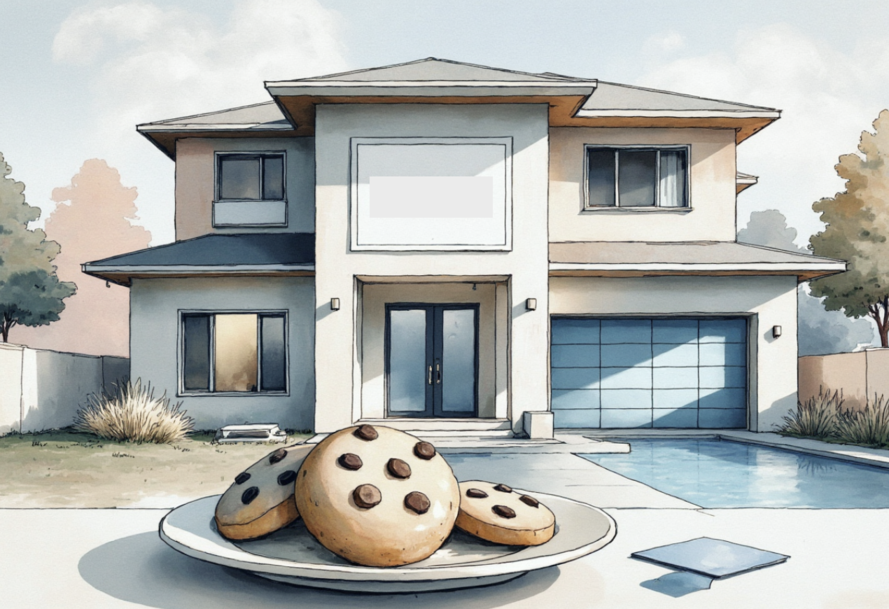
The days of chocolate chip cookies and Sunday-afternoon open houses may be numbered, according to one prominent Texas real estate leader who oversees nearly 3,000 agents across 14 offices.
“Sellers do not love Sunday-afternoon open houses with strangers going through their closets and chocolate chip cookies. There is nothing about that that is actually what sellers love,” says Anne Lakusta, President and Co-Founder of iFinder Offers, LLC.
The Privacy-First Revolution
According to Lakusta, the traditional real estate model fundamentally misunderstands what sellers want. “We stopped and thought about, well, what do sellers wish for?” she says, noting that privacy and convenience consistently top the list.
The shift away from open houses isn’t just about comfort, it’s about efficiency and security. “Why would I let someone in that isn’t pre-qualified to buy it and isn’t serious about buying it?” Lakusta argues, suggesting that allowing unqualified prospects to tour homes is an outdated practice that creates unnecessary risk and inconvenience for sellers.
Market Evidence Supporting the Shift
With nearly $2 billion in real estate transactions and almost 5,000 property submissions processed through her platform, Lakusta says the market is proving that sellers are ready for more private alternatives to traditional showings.
“There’s no sign in the yard, no neighborhood gossip, no need for showings. Nobody goes through the house until they’re under contract to buy it,” Lakusta explains, describing her company’s approach. “If you want my personal opinion, this is how the future of real estate is going to go.”
The Technology Solution
The transition away from open houses is being enabled by new technologies that allow for more sophisticated buyer screening and property marketing. Lakusta’s platform, for instance, requires potential buyers to be pre-qualified before they can even submit offers.
“We have very strict rules, and now I feel like we’re in control of our process,” she says, noting that this approach protects both sellers and serious buyers while eliminating time-wasters and security risks.
A New Model Emerges
While some industry veterans might argue that open houses are essential for maximum exposure, Lakusta suggests that technology has created better alternatives. “In our world today, there’s a lot of people who might want a quick and easy sale, but they don’t feel like just giving it away,” she says, highlighting how new platforms can balance convenience with market value.
The future model she envisions would maintain transparency while significantly reducing the invasiveness of the traditional sales process. “Honest transparency is to be really valued in this space,” Lakusta says. “And that’s where we start from.”