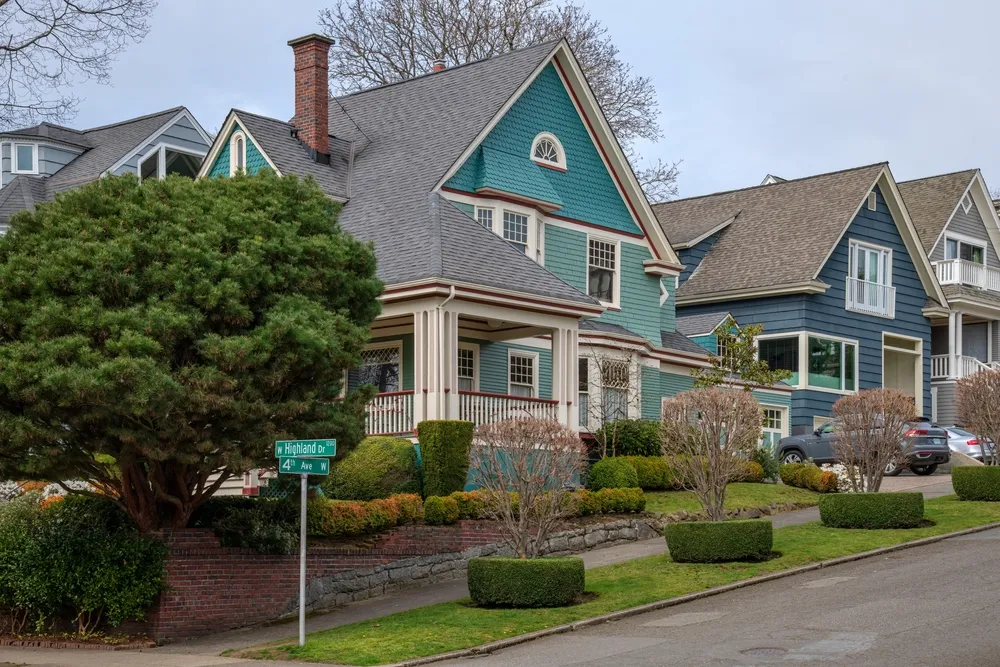
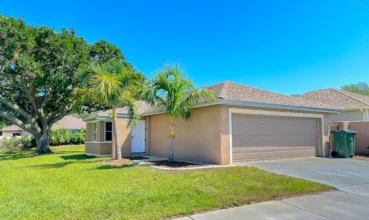
In some of Seattle’s most desirable neighborhoods, the person bidding against you for an older home is not another family. It is an investor who plans to tear the house down and build two or three townhomes in its place. Recent zoning changes in Seattle have made this strategy legal and profitable, according to Eric Akines, Founding Member & Luxury Broker at Real Residential, an independent brokerage based in Seattle and Bellevue, Washington. The result is reshaping who wins bidding wars at entry and mid-tier price points.
The city’s updated zoning laws now permit denser construction on lots that previously held a single home. That regulatory shift has drawn investors into neighborhoods like Magnolia, where older homes on larger lots represent land value rather than living space.
Akines recently closed on a 1940s home in Magnolia listed at $1,075,000. It sold within a day with multiple offers, and the winning buyer was an investor. The plan: demolish the existing structure and build two to three new townhomes on the same lot, then sell each unit for substantially more than the original purchase price. “Investors are buying these older homes on 6,000-plus square foot lots, and they’re tearing the houses down,” Akines says, constructing multiple structures in their place.
For a buyer who wants to live in that older home, the competition is not over what the property is worth as a residence. It is over what the land is worth as a development site. Those are two different numbers, and the development number is often higher.
Where the Pressure Is Concentrated
This dynamic is strongest in neighborhoods close to Seattle’s urban core where lot sizes meet the threshold for densification and where demand for new townhomes is strong. The policy intent behind the zoning changes is to add housing supply in a city where inventory has been tight for years. But in the near term, the effect for individual buyers is more competition and higher prices at the entry level – the segment Akines identifies as the most active in the region.
Akines says “the more approachable price points tend to still be really stable in our region,” and his firm projects four to six percent annual price appreciation through 2026, according to their own estimates. That stability is part of what attracts investors – the combination of appreciating land values and favorable zoning makes teardown-and-rebuild projects financially viable.
Why Conventional Buyers Are Disadvantaged
The risk for buyers is direct: in neighborhoods where investor activity is concentrated, a buyer may need to offer above what a home is worth as a residence to compete with someone valuing the lot for redevelopment. That gap is difficult to bridge with a conventional mortgage if you plan to live in the home, because a lender appraises the property as-is rather than for its future development potential.
Not every neighborhood faces this pressure equally. The densification trend is strongest in urban-core areas with larger lot sizes and proximity to employment centers. Suburban areas further from the city center, where lots may already be smaller, or zoning has not shifted as aggressively, are less affected. But buyers targeting walkable, close-in neighborhoods with older housing stock should expect their offers to be measured against a very different set of calculations.
What Is Driving Supply Constraints
Akines points to what the industry calls the rate lock effect: homeowners who secured mortgages in the 3% range are unwilling to sell unless forced by a life event such as a job relocation, divorce, or death. That reluctance continues to restrict inventory across the region. “People are really tending to stay put if they don’t have to sell,” he says.
The combination of low inventory from rate-locked owners and new investor demand for teardown lots means entry-level buyers face pressure from both directions, fewer homes coming to market and more competition for the ones that do.
The Unresolved Tension
Seattle needs more housing units, and densification is one path toward supply. But the buyers most priced out of new construction – those drawn to older, more affordable homes – are now facing investor competition that pushes even that segment upward. The zoning change addresses one shortage while intensifying another.
For buyers considering this market, the practical question is whether they are bidding on a home or bidding on a development site. Knowing which game they are in changes how they approach their offer, their timeline, and their willingness to look further from the urban core where investor pressure is lower.
About the Expert: Eric Akines is a Founding Member and Luxury Broker at Real Residential, serving the greater Seattle market across offices in Seattle and Bellevue, with over one billion dollars in sales reported last year.
This article is intended for informational purposes only and does not constitute legal, financial, or investment advice. The views and opinions expressed herein reflect those of the individuals quoted and do not represent an endorsement of any company, product, or service mentioned. Readers should conduct their own due diligence and consult qualified professionals before making any investment decisions.