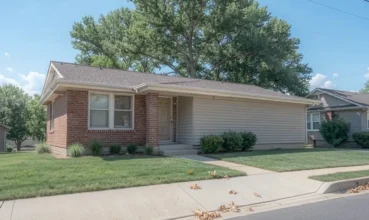
For the better part of a decade, the west side of San Antonio was the default answer to a simple question: where should you buy? Lower tax rates, easy commutes, and a wave of new development made it the obvious growth corridor. But in 2026, that story has shifted – and buyers and sellers still operating on the old assumption may be making a costly mistake.
Katie Powers, team lead and broker for the Lifestyles of San Antonio team, has watched the west side’s reputation change over nearly nine years in the market. She says the area once synonymous with smart buying has become one of the toughest spots in the metro to sell a pre-owned home.
What Went Wrong on the West Side
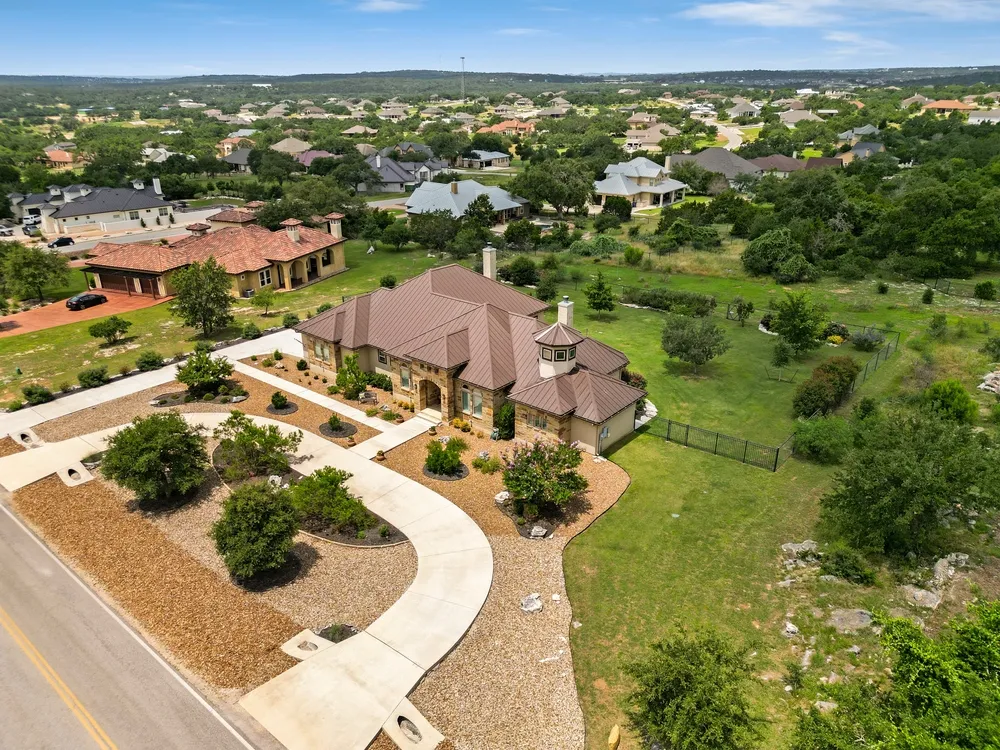
The problem is not that the West Side stopped growing. It grew too much, too fast – and the growth came almost entirely as new construction. Builders flooded the corridor with inventory, creating competition that existing homeowners cannot match.
Powers says “the pre-owned market is just stagnant.” Pre-owned homes in West San Antonio sit unsold while buyers in the same zip codes choose new builds that come with builder-subsidized interest rates, closing cost assistance, and zero deferred maintenance. Powers says builders are offering rates as low as 4.5%, plus incentives like free appliances – concessions a pre-owned seller simply cannot replicate.
The infrastructure strain has compounded the problem. Powers describes an area that has absorbed so many new rooftops that daily life has gotten harder. “It’s overpopulated almost to a point where the traffic is not beneficial anymore,” she says. Property taxes in the area have also climbed. The low-tax advantage that originally put the west side on buyers’ radar has eroded.
Powers sums up the reversal plainly: “That used to be the place to be.” She says the shift has played out over roughly the last six months, but the underlying causes – overbuilding and infrastructure strain – were accumulating for years before the market turned.
Where Buyers Are Looking Instead
School districts have emerged as the stronger magnet. Powers says suburbs anchored by top-rated districts – she names Boerne and Fair Oaks Ranch specifically – are holding value and moving homes faster than the broader market. Buyers with children are prioritizing education quality over commute time or tax rates, and that preference is showing up in which neighborhoods stay active.
The east side, particularly communities near military installations like Joint Base San Antonio-Randolph, is also drawing attention from both owner-occupants and investors. According to Powers, the military tenant pool is reliable – service members rotate in and out every two to three years, and landlords can verify income through commanding officers. The area has not experienced the same level of overbuilding that swamped the west side.
None of this means the west side is a permanent write-off. If builder inventory gets absorbed and new construction slows, the supply-demand imbalance could ease. But Powers notes that San Antonio’s overall market is carrying the highest inventory levels the city has seen – “we are at the highest amount of inventory we’ve ever seen” – with over six months of pre-owned supply. That broader surplus makes a quick recovery in any one submarket unlikely.
What This Means for West Side Homeowners
Sellers sitting on a pre-owned home in west San Antonio face a decision with no painless option. Listing now means competing against builders who subsidize financing and bundle incentives. Waiting means hoping the market tightens – but Powers notes that fourth quarter is historically San Antonio’s slowest season.
Powers says interest rates are the variable most likely to shift the equation. “We just need something steady long enough for people to get used to the 7%,” she says. If rates stabilize or tick down even modestly, more buyers may enter the market and begin absorbing inventory. She says mortgage applications typically increase with every quarter-point drop, and that getting into the upper sixes could produce a visible shift.
For sellers who do not have an urgent reason to move, Powers recommends using the coming months to prepare rather than list into a soft fourth quarter. Her approach starts six months before a target listing date: declutter, get a home inspection to identify and fix problems before buyers see them, and handle cosmetic updates like paint and light fixtures. She says the inspection alone – roughly $400 – can prevent a deal from falling apart over a surprise issue mid-contract.
Pricing strategy matters as much as preparation. Powers says the San Antonio market is down about 4% year to date, and sellers who price based on past comparable sales rather than where the market is heading are the ones watching their listings age. Repeated price reductions, in her view, backfire: “Buyers are immune to it.” Today’s buyers track prices daily on platforms like Zillow, and a series of drops signals weakness rather than opportunity. Powers advocates pricing for where the market will be in three months, not where it was three months ago.
For buyers considering the west side, current conditions create genuine leverage. Pre-owned prices have softened, and sellers are more willing to negotiate than they have been in years – homes are selling at 97% of list price, according to Powers. But the same forces that make it a buyer’s market today – overbuilding, rising taxes, worsening traffic – are conditions that persist after closing.
About the Expert: Katie Powers is a team lead and broker with the Lifestyles of San Antonio team, covering the San Antonio, Texas metro relocation and listing markets for eight years.
This article is intended for informational purposes only and does not constitute legal, financial, or investment advice. The views and opinions expressed herein reflect those of the individuals quoted and do not represent an endorsement of any company, product, or service mentioned. Readers should conduct their own due diligence and consult qualified professionals before making any investment decisions.