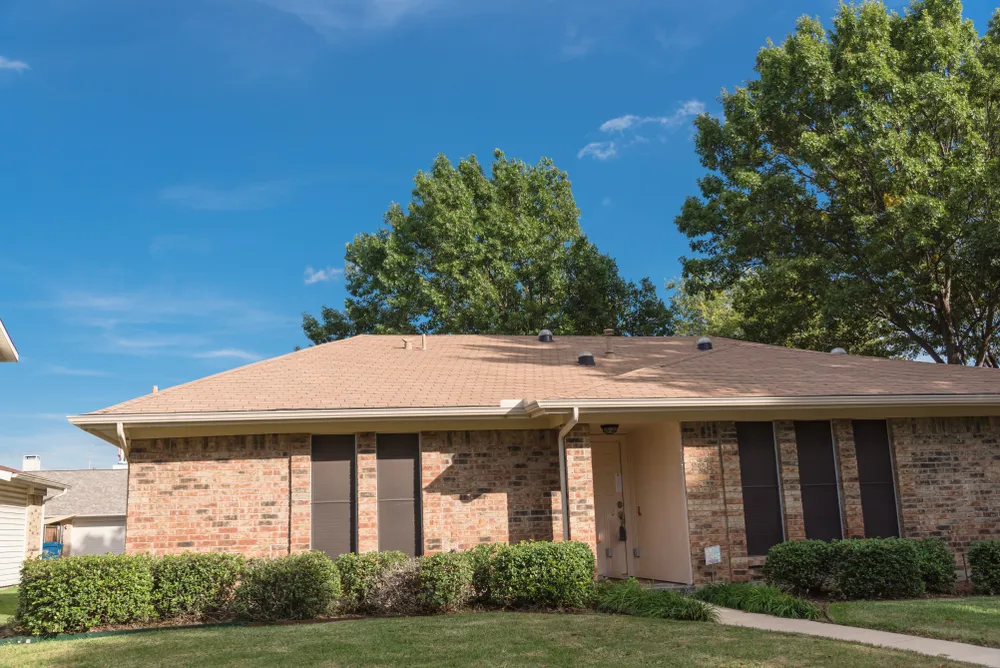
When a large landlord or equity fund lists a former rental property in Dallas-Fort Worth, the home that reaches the market is not always what a buyer expects. These were investment assets managed for cash flow, not curb appeal. Deferred maintenance is common. Cosmetic updates were rarely a priority. And for buyers drawn to the lower price tags these properties carry, the gap between listing price and true cost of ownership can be wider than it appears.
Cisco Gonzalez, a listing agent with the Maverick Real Estate Group brokered by eXp Realty, works on the institutional side of DFW real estate. Roughly 55 percent of his business involves institutional clients – lenders who took possession of properties through foreclosure, and what he describes as “big landlords, equity funds and such that have rental portfolios that they are dispositioning.” He handles property assessments, go-to-market strategies, and eventual sales for these assets. His work puts him at the point where institutional sell-offs become listings that everyday buyers browse on their phones.
What Institutional Listings Look Like Up Close
When an institutional owner decides to sell a rental property, the condition varies widely. Some homes have sat vacant long enough to accumulate municipal violations or degrade from neglect. Others were occupied but never updated.
Gonzalez describes one recent listing in his pipeline where the property had been a failed investor project. The previous owner lost it to foreclosure before finishing a renovation. By the time the current institutional owner took possession, the home had deteriorated further and attracted squatters. “They never completed the project,” Gonzalez says. The home needed a full gut rehab before it could be marketed to retail buyers.
The path from institutional acquisition to listing can take weeks or months. Gonzalez says his process begins with a property condition assessment on day one, followed by ongoing visits – weekly or biweekly – to check for issues such as municipal violations or security problems. He then provides the institutional client with enough information to choose a strategy: sell as-is, do preservation-level work, or invest in a full rehab.
Why Below-Market Prices Can Be Misleading
A former rental listed well below neighborhood comparables looks like a bargain. But the discount usually reflects deferred work, not a generous seller. Buyers who stretch their budget on a home that needs a new roof, updated electrical, or full interior renovation may find total ownership costs exceed what a move-in-ready home at a higher list price would have cost them.
This is sharper in a high-rate environment. When mortgage payments already consume a large share of a buyer’s monthly income, financing renovations on top becomes difficult. Gonzalez sees this play out regularly. “Buyers are rejecting homes that are distressed, partially distressed or even outdated because rates have remained high,” he says. Their buying power has contracted, and they have shifted their expectations accordingly – they want lower prices but do not want a project.
According to Gonzalez, buyers who initially targeted new construction over the past 12 to 24 months but could no longer afford it at current rates now expect renovated homes at a lower price. The result is that distressed or outdated properties sit on the market longer, while fully renovated listings attract stronger interest and sell faster.
Not Every Institutional Listing Is a Problem
Some institutional sellers choose to renovate before listing. Gonzalez works with clients who opt for full rehabs – matching finishes and scope to current market demand – before bringing a property to market. Others do partial refreshes: interior paint, carpet replacement, and basic repairs that improve presentation.
The challenge for buyers is telling the difference. A freshly painted former rental may look move-in ready but still carry deferred issues behind the walls. A fully rehabbed institutional property may actually be in better condition than a comparable home sold by an individual owner who also deferred maintenance.
In Gonzalez’s current pipeline of 15 to 20 personal listings, the properties that attract the strongest buyer interest and move fastest are the ones where condition was addressed before the first showing – whether the seller is an equity fund or a family relocating due to an emergency. Gonzalez says he recommends at least partial renovation to all his clients for exactly this reason.
For buyers shopping in the DFW price ranges where institutional dispositions are concentrated – often the lower-to-mid tiers where rental portfolios were built – a thorough home inspection is not optional. The listing price on a former institutional rental reflects what the seller chose to fix before going to market. What they chose not to fix is the buyer’s problem after closing.
About the Expert: Cisco Gonzalez is a listing agent at Maverick Real Estate Group brokered by eXp Realty, working primarily with institutional clients across the Dallas-Fort Worth area, with additional coverage in Austin, Houston, San Antonio, Galveston, and East Texas.
This article is intended for informational purposes only and does not constitute legal, financial, or investment advice. The views and opinions expressed herein reflect those of the individuals quoted and do not represent an endorsement of any company, product, or service mentioned. Readers should conduct their own due diligence and consult qualified professionals before making any investment decisions.