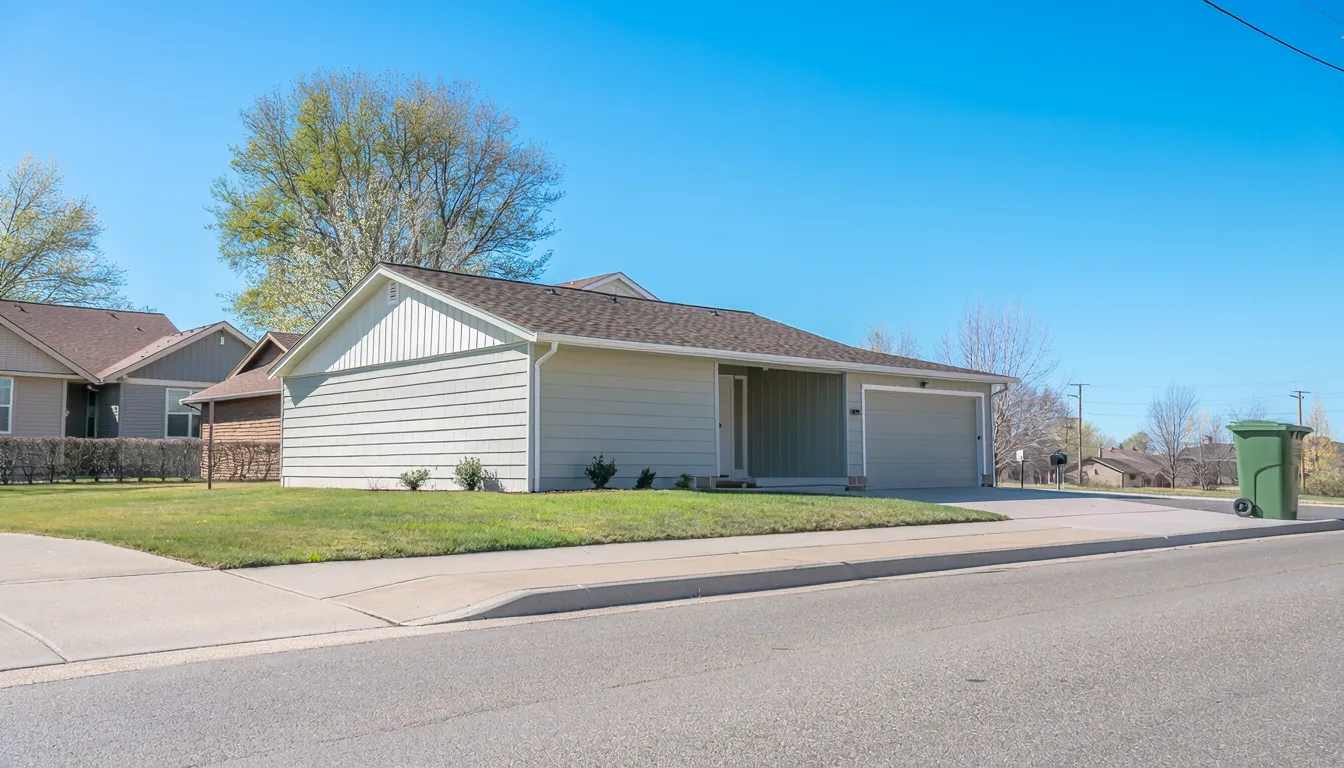
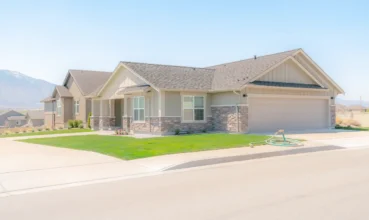
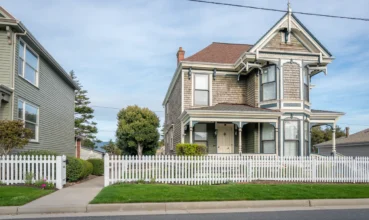
A three-bedroom ranch in Rocky Mount, North Carolina, recently sold for $214,000 with a monthly payment of around $1,200. A comparable home in Raleigh, similar size, similar condition, would have listed closer to $320,000 with a payment near $2,200. That $1,000-a-month gap between two cities separated by roughly an hour of highway is defining where first-time buyers in the Triangle region can actually afford to live, and a new commuter transit investment is about to test whether more of them will make the trade.
A $200,000 Median Price Gap
Raleigh’s median sale price sits around $425,000, according to Petra Thomas, a real estate agent with eXp Realty who has worked the Raleigh market for 31 years. Rocky Mount’s is approximately $225,000. The difference is large enough to change who can buy and what they can afford.
Thomas recently relocated to Rocky Mount herself, in part because of pricing. “I didn’t want to pay the Raleigh prices,” she says. Her daughter lives in Richmond, Virginia, and the move also cut about an hour off that commute. She now splits her business between the two markets, with about 70% of her transactions on the seller side.
The affordability contrast is especially visible in what buyers get for their money. Thomas points to a current listing in Rocky Mount: 3,000 square feet, fully remodeled with a new kitchen, roof, and windows, priced at $375,000. In Raleigh, she estimates that house would sell for $500,000 to $600,000.
First-Time Buyers Are Stuck
Raleigh’s price increases over the past several years – Thomas estimates roughly a doubling – combined with mortgage rates near 7% have made it difficult for first-time buyers to enter the market. The buyers who are active in Raleigh tend to be relocators arriving with cash or existing homeowners selling and moving up.
Rocky Mount presents a different entry point. Thomas recently helped a single buyer in her twenties purchase a three-bedroom, two-bath ranch for $214,000 using an FHA loan with down payment assistance and a program that provided a reduced interest rate. The resulting monthly payment came to around $1,200.
Lower prices alone have not translated into a surge of first-time buyer activity in Rocky Mount, though. Thomas says buyers across both markets are reluctant to commit while rates remain high. “It’s definitely easier for them to buy,” she says. “I think one of the biggest reasons we’re not seeing more activity is that buyers—especially first-time buyers—are hesitant to make a move with interest rates where they are right now.”
She sees that hesitation as a potential mistake. When rates eventually fall, she expects pent-up demand to flood the market and drive multiple-offer situations, pushing prices higher than what buyers would pay today.
Builders Are Squeezing Resale Sellers
In Raleigh’s outer suburbs and surrounding towns – places like Knightdale – new construction is competing aggressively with resale inventory. National builders are offering rate buydowns and closing cost incentives that individual sellers cannot easily match.
Thomas cites D.R. Horton typically offering 4.99% fixed rates and $10,000 in closing costs. She sold a Lennar home in Wendell last month where the builder offered a 3.5% rate fixed for five years along with closing costs, saving her buyer roughly $500 a month compared to a market-rate mortgage.
Resale sellers in Raleigh’s core neighborhoods, areas like Five Points and North Hills where land for new development is scarce, face less pressure from builders. But on the outskirts, the competition is direct. “Sellers have to decide what they can offer in concessions and price their home right from the get-go,” Thomas says.
Many sellers still expect 2021 and 2022 pricing, according to Thomas. Those who list too high end up chasing the market with repeated reductions and often sell for less than they would have with accurate pricing from the start. A well-priced home, she says, will typically sell within 30 days.
A Commuter Bus Could Change Rocky Mount’s Calculus
The development Thomas is watching most closely is a $3 million award from the North Carolina Department of Transportation for a commuter bus system connecting Rocky Mount and Raleigh. For a market where the primary tradeoff has been price versus commute time, scheduled public transit between the two cities could make Rocky Mount more practical for workers who need to reach Raleigh daily.
Rocky Mount also sits along Interstate 95 and Highway 64, and a nearby airport in Wilson adds connectivity. Thomas sees these factors as a foundation for gradual growth. “I think Rocky Mount has some good chance of increasing the number of sales and maybe get the days on the market down, prices to increase over the next few years,” she says. “It’s not going to be overnight.”
Where Investors Are Looking
Investor competition in Raleigh is heavy. Thomas describes getting daily texts from investors looking for properties to flip and says the market is “very overcrowded.” One pattern she has noticed: investors are now targeting homes that have sat on the MLS for three months or more, approaching listing agents directly and buying at a discount rather than relying solely on off-market deals.
Rocky Mount offers less competition. One of Thomas’s investor clients recently purchased a property there for $168,000 and is now renovating it for resale at $375,000, the same listing she referenced earlier.
The Case for Buying Now
Thomas’s advice to buyers waiting for rates to drop is direct: the wait itself carries risk. “When rates come down meaningfully, I expect some of today’s pent-up buyer demand to return, which could increase competition and put upward pressure on prices,” she says.
Her recommendation is to buy what is comfortably affordable now rather than compete later in a market flooded with demand. Rents continue to rise, and a fixed mortgage at least locks in principal and interest while building equity. “If you wait for the rates to come down, you’re going to pay much more for a house later.”
For buyers willing to trade commute time for affordability, Rocky Mount’s $200,000 median price gap with Raleigh already makes the math work. If the commuter bus system delivers on its promise, the tradeoff gets smaller while the savings stay large.
About the Expert: Petra Thomas is a real estate agent with eXp Realty who has worked the Raleigh, North Carolina market for 31 years and splits her business between Raleigh and Rocky Mount.
This article is based on information provided by the expert source cited above. It is intended for general informational purposes only and does not constitute legal, financial, or real estate advice. Readers should conduct their own research and consult qualified professionals before making any real estate or financial decisions.