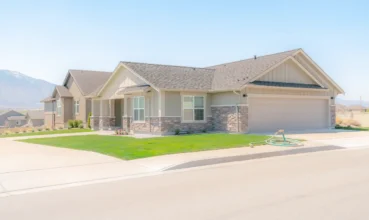
Alameda, California, sits less than ten miles from downtown San Francisco, connected to Oakland by bridges and a tunnel. It has roughly 80,000 residents, some of the oldest housing stock in the state, and school ratings that draw families priced out of San Francisco’s lottery-based system. Yet for a city this close to one of the country’s most expensive metros, it remains surprisingly absent from most buyers’ mental maps.
That invisibility is producing a pricing gap, according to Guy Blume, a real estate agent with the Guy Blume Group who has worked the Alameda market since 2006. Homes in Alameda that are comparable in size and era to those in nearby Berkeley sell for roughly half the price with a fraction of the competition. In Berkeley, Blume says, a home listed at $1.5 million might attract 20 to 40 competing offers and sell at $3 million. In Alameda, a similar property draws far fewer bids.
“Alameda is big enough to be a medium-sized city of 80,000 people, but yet it’s small enough to fall off of most people’s radar,” Blume says.
A Housing Stock Built During the Gold Rush
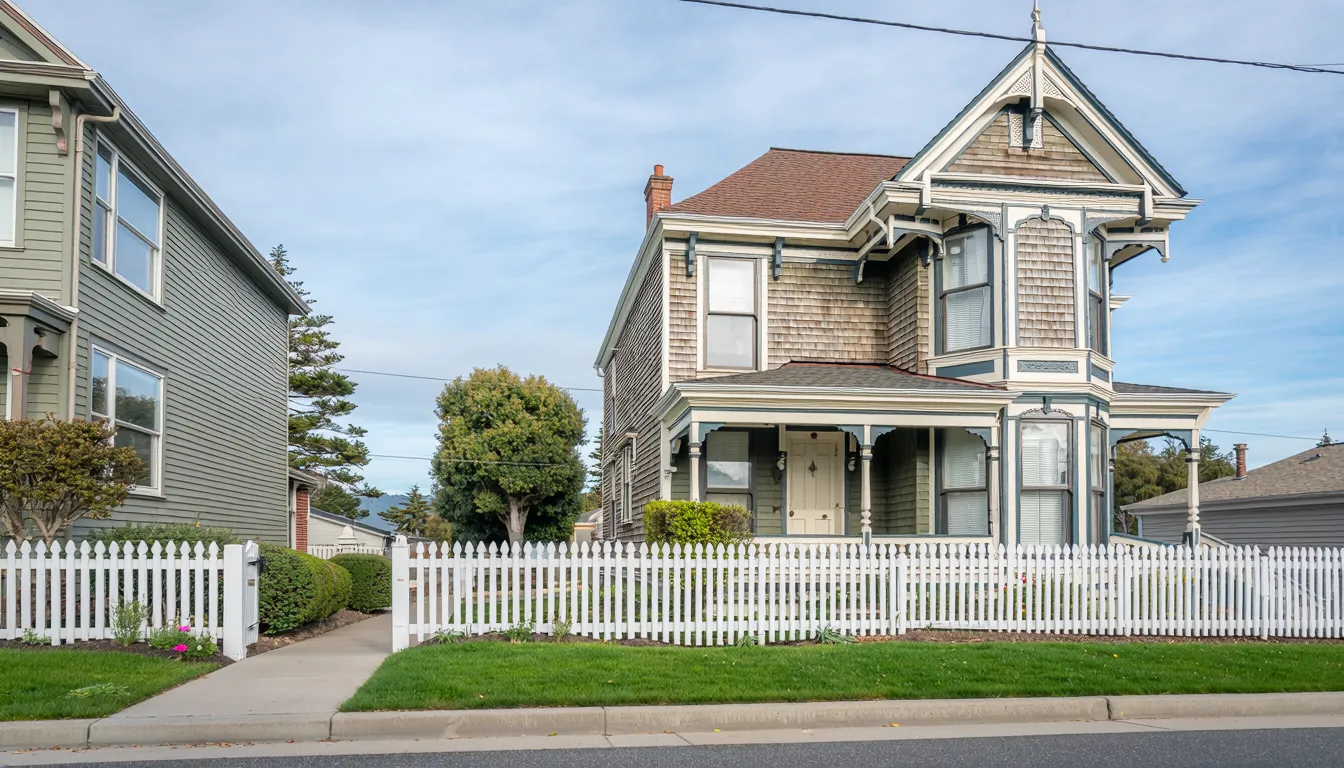
Alameda’s architectural variety traces to its role as the last stop on the transcontinental railroad. During gold rush times in the mid-1800s, the island drew settlement alongside San Francisco, producing a concentration of Victorian-era homes that Blume says exceeds San Francisco’s on a per capita basis. The housing stock spans Victorians, Edwardians, Tudors, Craftsmans, French Normandies, and Spanish Mediterranean styles.
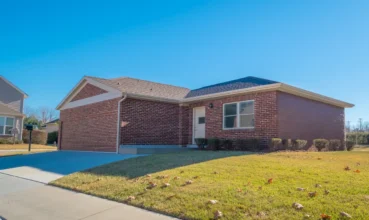
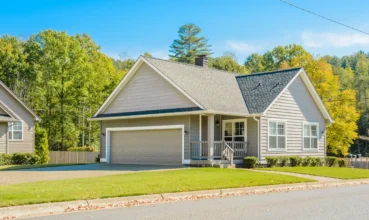
The island’s neighborhoods function as distinct sub-markets. Bay Farm Island, developed primarily in the 1980s and later, features semi-custom tract homes organized around lagoons and walking trails. The East End is dominated by tree-lined streets, mostly owner-occupied homes, and a strong neighborhood feel. Central Alameda includes the Gold Coast, where older mansions sell in the $3 million to $5 million range across 3,000 to 5,000 square feet. The West End remains comparatively affordable. And Alameda Point, a former Navy installation, has been slowly converting to condos while adding breweries, wineries, and restaurants.
Within the East End, a sub-neighborhood called Fernside is outperforming the broader market. Blume describes it as having no tract homes – “you really won’t find two homes that are the same in this neighborhood” – along with access to some of the island’s best elementary, middle, and high schools. Homes there tend to sell in the $2 million range.
The Condo Market’s Ongoing Struggle
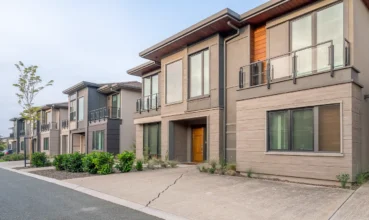
While single-family homes are moving, condos are not. Blume describes the condo market as having been “decimated” since COVID, as buyers shifted decisively toward standalone homes with yards and private space. Concerns about balcony safety, rising HOA fees, and special assessments have further discouraged buyers who might otherwise consider condos as an entry point.
“Condos are probably the best deal in town right now because literally hardly anybody wants them,” Blume says. Buyers who can tolerate the risks associated with shared ownership face minimal competition in that segment.
Why Investors Should Think Twice
For investors considering Alameda’s multifamily stock, the obstacle is straightforward: rent control. Blume advises investors not to buy in Alameda precisely because of the policy’s constraints. Landlords cannot freely raise rents after property improvements, and the resulting economics often mean the rent roll does not support the purchase price.
The burden falls hardest on long-time mom-and-pop landlords who kept rents low and now cannot adjust them to attract buyers. “When the rent doesn’t cover the mortgage, it’s a bad investment,” Blume says. Investors pass, and these landlords struggle to sell properties they once expected to fund their retirements.
Rent control also constrains supply for new renters. Existing tenants have no incentive to vacate low-cost units, which limits available inventory. The only units reaching market rent are those where a previous tenant was bought out – and those new rents are steep. The result, Blume says, is a supply-and-demand imbalance that “hurts everyone” – long-time landlords who cannot sell, new renters who face inflated prices on the few available units, and investors who see no workable path to returns.
The Rate Environment and Buyer Psychology
Mortgage rates near 7% as of late September continue to shape buyer behavior across the Bay Area, and Alameda is no exception. Blume says buyers have largely stopped waiting for rate relief and are purchasing with plans to refinance later. He expects the Fed may raise rates one more time before year-end.
That shift in buyer psychology creates a tension Blume emphasizes repeatedly: the conditions that feel discouraging – high rates and widespread hesitation – are the same conditions producing less competition and more negotiating room. “Right now is the best time to buy, even though mortgage rates are high, because you have little to no competition,” he says.
The risk, in his view, is that buyers who continue waiting will face a sharply different market once rates decline. “When mortgage rates come down, all the buyers are going to jump into the market, and they’re going to blow up the home prices again,” Blume says. At that point, the homes affordable today at 7% rates may no longer be affordable at lower rates but higher sale prices.
For buyers weighing Alameda against neighboring markets, the calculus is specific: comparable homes at lower prices, less bidding-war intensity than Berkeley, strong schools, and architectural character that rivals San Francisco’s – but a condo market weighed down by post-COVID sentiment and a multifamily sector constrained by rent control. The opportunity depends on which segment a buyer enters and how long they plan to hold.
About the Expert: Guy Blume is a real estate agent with the Guy Blume Group who has worked the Alameda, California market since 2006.
This article is based on information provided by the expert source cited above. It is intended for general informational purposes only and does not constitute legal, financial, or real estate advice. Readers should conduct their own research and consult qualified professionals before making any real estate or financial decisions.