


The luxury waterfront real estate sector is experiencing a technological revolution that goes far beyond virtual tours, according to Kevin Donovan, a seasoned waterfront property specialist ...

'Retail Sales Up 30% While Traffic Hits 120% of Pre-COVID Levels,' Says Commercial VP, Challenging E-Commerce Doom

Written by:
Date:
28 Jul 2025
Share via Facebook

Share via Linkedin

Share via X

Copy to clipboard

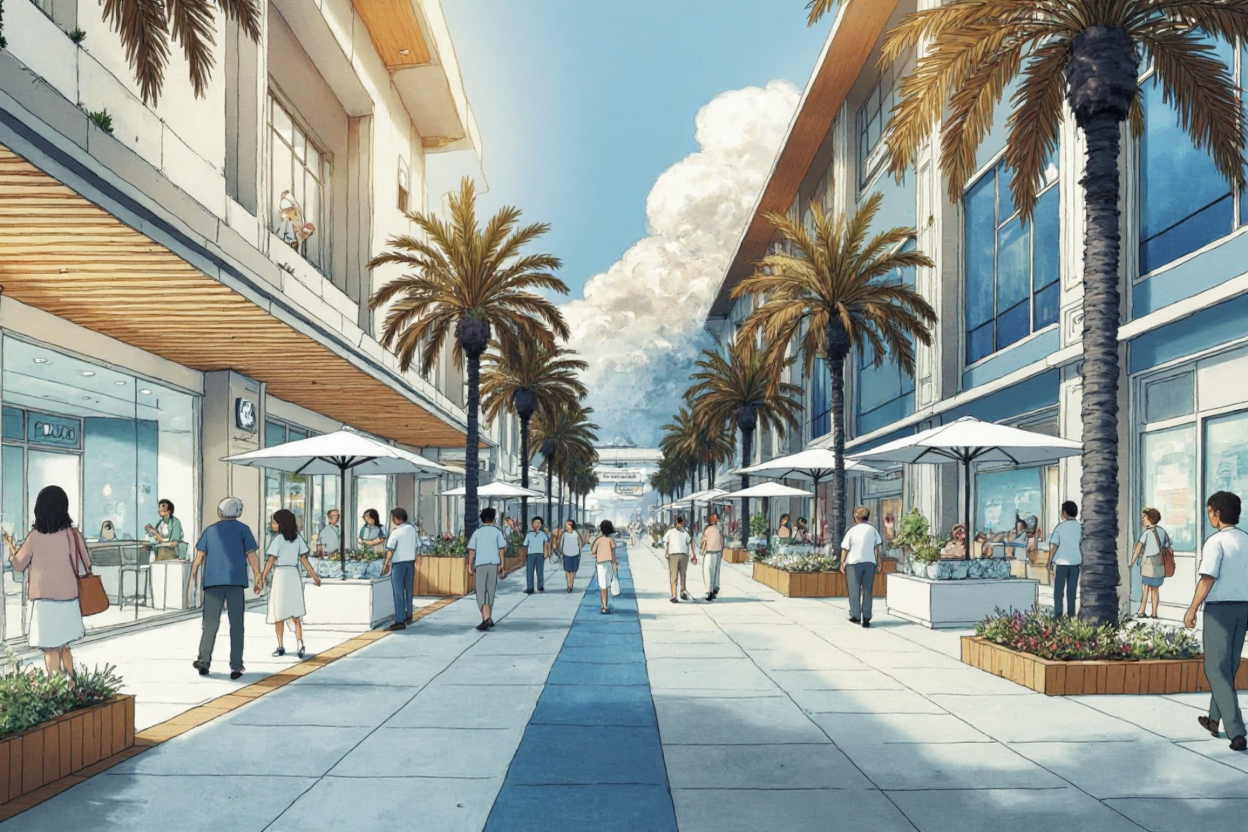
Contrary to widespread predictions of retail’s demise, shopping centers are experiencing a post-pandemic resurgence, according to Charlie Friedler, Vice President of Leasing at CityView Commercial.
“We’re seeing an increase in sales of around 30% with our tenants,” Friedler reports, noting that retailers are achieving higher revenues despite reduced overhead. This performance contradicts the popular narrative about e-commerce destroying brick-and-mortar retail.
The Numbers Behind the Revival
According to Friedler, foot traffic data tells an even more compelling story. “According to Placer data…we’re seeing around a 120% recovery rate from pre-COVID,” he says, referring to retail visits in urban markets. This surge suggests consumers are eagerly returning to in-person shopping experiences.
The recovery isn’t uniform across all retail categories. “Food does really, really well. Retail itself, like clothing, they are doing well compared to auto body shops…we’re seeing those are decreasing, if anything, while clothing and things like that are increasing,” Friedler observes.
Why Shoppers Are Coming Back
Friedler attributes the revival to several factors, including the gradual return of office workers to urban centers and changing consumer preferences post-pandemic. “Although COVID ended, it took some time for people to get comfortable and get out,” he explains.
The executive emphasizes that successful retail properties are taking a more strategic approach to driving traffic. “We are heavily focused on events,” Friedler says, particularly in enclosed malls. “People just drive by, get what they need and leave while malls, people are going on the weekends, to hang out.”
The New Retail Playbook
According to Friedler, property managers must be more proactive than ever in creating compelling environments. He points to tactics like:
– Regular pop-up events throughout the year
– Enhanced holiday decorations and programming
– Lunchtime concerts in urban locations
– Strict standards for tenant signage and appearance
“Even if we’re doing a month deal, you have to have a sign up and make yourself look like a real shop,” Friedler says, explaining their focus on maintaining high standards. “Otherwise, we don’t want to do it.”
Solutions and Future Outlook
While some retail properties continue to struggle, Friedler argues the key to success lies in understanding modern consumer behavior and adapting accordingly. His company uses advanced analytics and AI tools to track performance metrics and make data-driven decisions about tenant mix and property improvements.
“We really invested in AI,” Friedler notes, describing their use of platforms like Costar, Crexi, and Placer AI to identify promising tenants and track performance metrics.
The strong performance numbers suggest brick-and-mortar retail may be more resilient than many analysts predicted, provided properties evolve to meet changing consumer expectations. As Friedler sees it, the future belongs to retail properties that can create compelling reasons for customers to visit in person, beyond just making purchases.
Similar Articles
Explore similar articles from Our Team of Experts.




Perspectives, Industry News, Commercial Real Estate, Market Analysis & Policy, Real Estate Investment
Institutional investment firms are significantly reducing their minimum deal size requirements in South Florida’s industrial market, with thresholds dropping from over 100,000 square feet ...

