A mountain pass separating Wyoming from Idaho marks more than a geographic boundary. It reflects a 6.5% tax difference, influencing where affluent real estate buyers invest.
Traditionally, real estate agents in vacation markets have advised clients based on lifestyle factors such as recreation, scenery, and amenities. Samuel Haack, associate broker at Berkshire Hathaway HomeServices Brokers of Jackson Hole Real Estate, says tax policy now outweighs lifestyle factors for high-net-worth buyers choosing between similar properties just miles apart across state lines.
Haack explains, “The main divide between the two states is this income tax consideration, both on a personal income tax and a corporate income tax basis.” He says the tax difference is creating a clear split in property values and buyer preferences between neighboring mountain communities with similar amenities.
Comparable Valleys, Different Outcomes
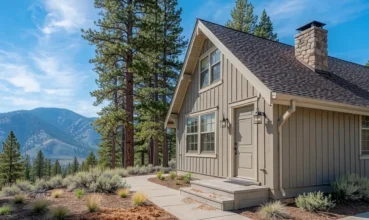
Haack points to the ongoing contrast between Jackson Hole, Wyoming, and the Victor-Driggs-Tetonia corridor just across the border in Idaho. The Idaho side offers more developable land: about 85% of the county is developable, compared with Jackson Hole, where 97% of the land is publicly owned and off-limits to development. Both regions offer abundant wildlife, hunting, and fishing. Their lifestyles are nearly identical.
Despite these similarities, Idaho properties face a structural hurdle: a 6.5% progressive state income tax. Wyoming, by contrast, has no state income tax. Buyers must cross a mountain pass to reach Idaho, but Haack says the real obstacle is financial. “You have to drive over a mountain pass to get there,” he notes, but the tax policy on the other side is what truly shapes buyer decisions.
The Tax Advantage Beyond Personal Income
Haack emphasizes that the impact of Wyoming’s zero income tax extends beyond individual buyers to business owners and family offices. For these clients, the tax differential applies to both personal and business income, leading to significant cumulative savings. As a result, buyers are willing to pay higher upfront prices and accept limited inventory in Wyoming because long-term tax benefits outweigh the initial premium.
The result is a clear pattern. High-net-worth buyers focused on wealth preservation and tax strategy are clustering in Wyoming. Haack says neighboring areas like Star Valley, Wyoming, just 45 minutes south of Jackson, are also seeing increased demand from buyers who want to remain in the state’s favorable tax environment.
Lower Ongoing Costs Tip the Scale
The tax advantage is just one part of Wyoming’s cost appeal. Haack says insurance rates, property taxes, and homeowners association (HOA) fees are relatively low as a percentage of property value, even though nominal costs are high because property values are expensive. “We have low insurance rates, and we have low property taxes, and we have low HOA fees,” he says. “Because the properties are just so expensive, of course, the percentage rises on a nominal basis, but on the percentage basis, it’s really not that bad.”
For long-term buyers, the main demographic in Jackson Hole, the initial purchase price is higher, but total ownership costs are often lower than in comparable Idaho communities. Haack says lower carrying costs, combined with tax savings, make Wyoming properties attractive to buyers focused on long-term value.
Regional Competition and Broader Implications
Berkshire Hathaway HomeServices Brokers of Jackson Hole regularly advises clients considering both sides of the Wyoming-Idaho border. Haack says this experience gives the firm a clear view of how tax policy is now the deciding factor for many affluent buyers. The difference is clear. Buyers calculate the costs and choose Wyoming for financial advantages, even when Idaho offers more options and similar amenities.
Whether this pattern spreads to other state borders depends on how aggressively states compete on taxes and how directly tax policy is used in real estate marketing and education. For now, the Wyoming-Idaho divide is a case study in how fiscal policy can override traditional real estate drivers and reshape regional markets.
As high-net-worth buyers become more sophisticated in their decision-making, the role of state tax regimes is likely to grow. States that maintain low or zero income tax rates may continue to attract wealthy property owners. In contrast, neighboring markets with higher tax burdens could see weaker demand, regardless of natural or recreational assets.